The Hermetica: Ancient Wisdom Attributed to a God-Like Sage
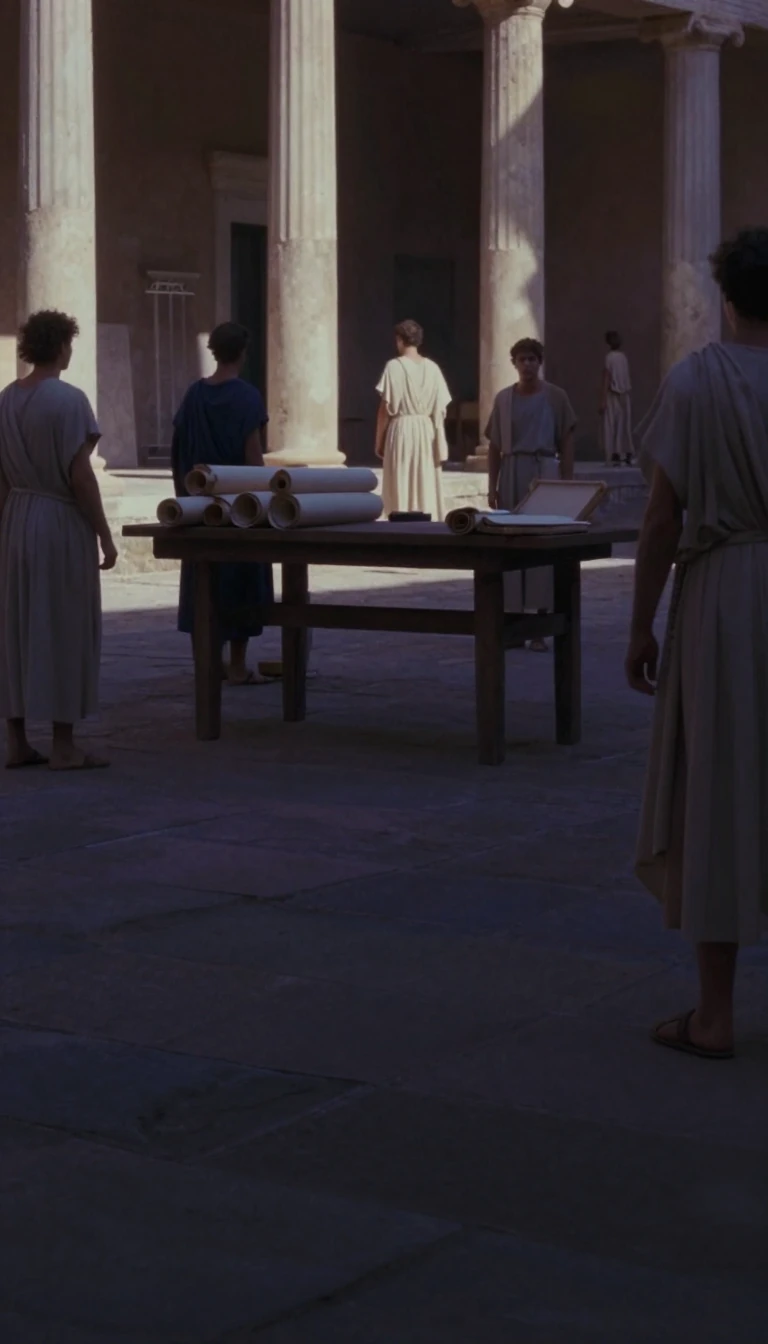
In short: The Hermetica are not a single book but a vast, centuries-spanning collection of texts attributed to Hermes Trismegistus, a fusion of Greek and Egyptian deities. Ranging from practical astrology and alchemy to profound philosophical dialogues, these writings shaped Renaissance thought and influenced thinkers from Isaac Newton to Marsilio Ficino.
The Hermetica are divided into two primary categories: the technical and the religio-philosophical. The technical treatises, which emerged as early as the second or third century BCE, cover astrology, medicine, and alchemy. These works, including the famous Emerald Tablet, were often revised and expanded across centuries, moving through Greek, Arabic, and Latin traditions. They served as foundational texts for medieval and early modern practitioners of magic and natural philosophy.
In contrast, the religio-philosophical Hermetica are a more coherent set of dialogues written primarily between the first and third centuries CE. These texts explore the relationship between humanity, the cosmos, and the divine, often advocating for a spiritual rebirth. While the technical texts continued to be composed until the twelfth century, the philosophical works were largely preserved by Byzantine scholars. Their rediscovery in the Renaissance, particularly through Marsilio Ficino’s 1462 translation of the Corpus Hermeticum, sparked a major intellectual shift.
Ficino, initially tasked with translating Plato, prioritized the Hermetica because he believed they were older and thus more authoritative. This belief fueled a surge in interest in alchemy and esoteric philosophy, impacting figures like Pico della Mirandola and Giordano Bruno. Even Isaac Newton, centuries later, drew inspiration from the Emerald Tablet. Today, scholars recognize that while these texts were once thought to be purely Egyptian, they are deeply rooted in the Hellenistic intellectual environment of Roman Egypt, likely authored by members of the priestly class.
The legacy of the Hermetica remains complex due to the sheer volume of lost, translated, and misattributed works. From the sulfur-mercury theory of metals found in the Sirr al-khalīqa to the astrological aphorisms of the Centiloquium Hermetis, these texts provided a framework for understanding the natural world for nearly two millennia. Their influence persists as a testament to the enduring power of the syncretic figure of Hermes Trismegistus.
Opens the Intellect+ feed with this card first. Swipe up for the next one.
Sources
- Summary by Intellect · source: Hermetica
To cite this card, link to https://intellectplus.co.uk/app/science-hermetica.
How we source, check and correct cards: Editorial standards.
General information, not professional advice. Spotted an error? Flag the card or see corrections and complaints.
Intellect Plus is a visual educational discovery platform for exploring fascinating facts and ideas. Brain Food, Not Brain Rot. What is Intellect Plus?
Related
More in UK & Ireland: science · More in Science · Latest · A–Z · All topics
