The illegitimate son of Christopher Columbus built the greatest library in sixteenth-century Europe.
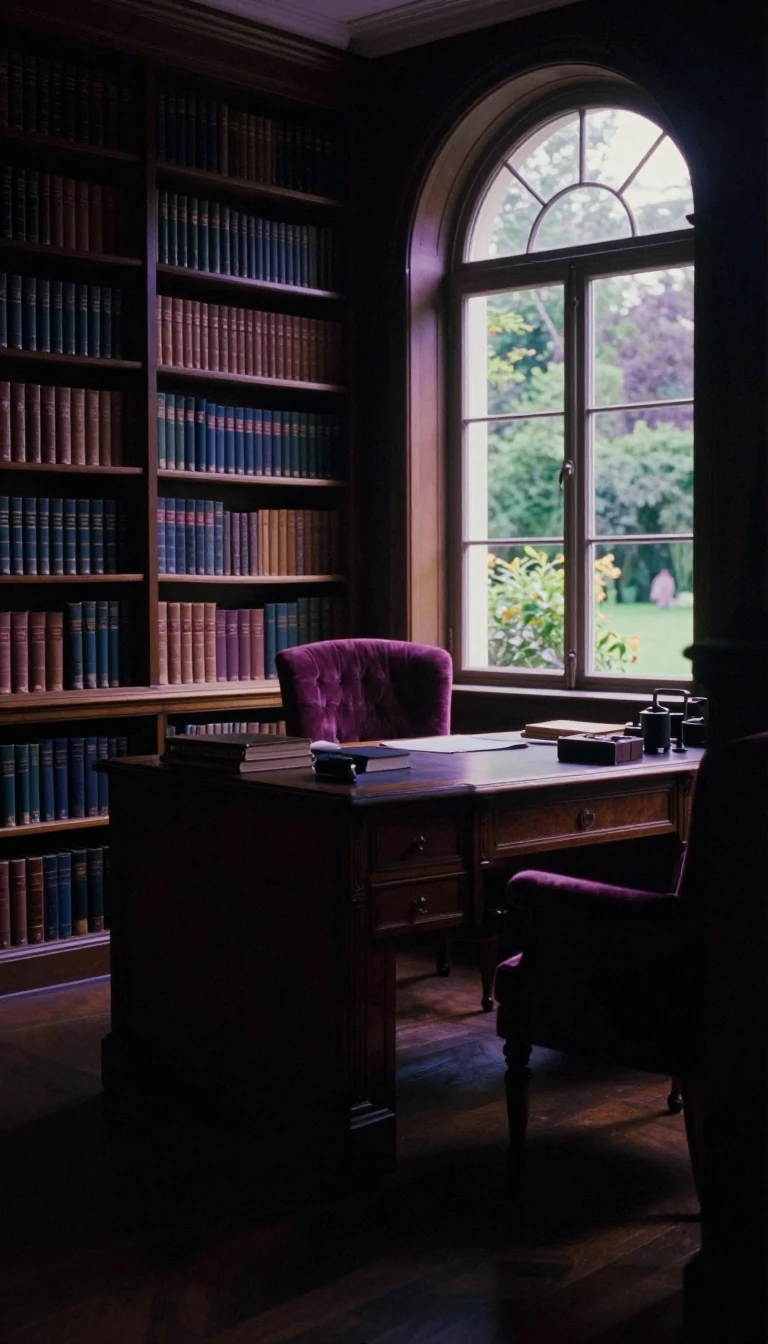
In short: Ferdinand Columbus was more than just an explorer's son. A scholar and obsessive bibliophile, he spent his life amassing over 15,000 volumes. By employing full-time librarians and pioneering systematic cataloging, he created a Renaissance knowledge machine that remains a vital, if partially lost, treasure for historians today.
Born in 1488 to Christopher Columbus and Beatriz Enríquez de Arana, Ferdinand was raised in the shadow of his father’s fame. Despite his illegitimacy, he received a rigorous humanist education at the Spanish court, training in theology, history, and philosophy. At age thirteen, he accompanied his father on his perilous fourth voyage to the New World, an experience that likely fueled his lifelong interest in geography and documentation.
As an adult, Ferdinand leveraged his inheritance to build a monumental personal library. He was a visionary collector who prioritized printed books over manuscripts, acquiring over 1,100 incunabula—books printed before 1501. To manage this massive collection, he employed full-time librarians and developed a sophisticated cataloging system, including the Libro de los Epítomes, a massive summary of his holdings that was long thought lost until its 2013 rediscovery in Copenhagen.
Ferdinand’s legacy extends to his meticulous documentation of his own life and his father's. He wrote a biography of Christopher Columbus that served as a primary source for historians, even as he fought decades-long legal battles to secure his family's rights. Though his library suffered from neglect and destruction after his 1539 death, the remaining volumes at the Seville Cathedral continue to offer scholars an unparalleled window into the intellectual world of the Renaissance.
Beyond books, Ferdinand was a pioneer in the systematic organization of information. His collection of 3,200 old master prints featured a catalog structured by subject, size, and typology—a remarkably modern approach for the era. While much of his physical collection was dispersed or destroyed, his commitment to preserving the sum of human knowledge remains a testament to his unique scholarly ambition.
Opens the Intellect+ feed with this card first. Swipe up for the next one.
Sources
- Summary by Intellect · source: Ferdinand Columbus
- Also: www.britannica.com — Ferdinand Columbus | Spanish bibliographer and cosmographer | Britannica
To cite this card, link to https://intellectplus.co.uk/app/science-ferdinand-columbus.
How we source, check and correct cards: Editorial standards.
General information, not professional advice. Spotted an error? Flag the card or see corrections and complaints.
Intellect Plus is a visual educational discovery platform for exploring fascinating facts and ideas. Brain Food, Not Brain Rot. What is Intellect Plus?
Related
More in Mathematicians · More in Science · Latest · A–Z · All topics
