From ancient biblical mandate to modern food rescue, the art of gleaning persists.
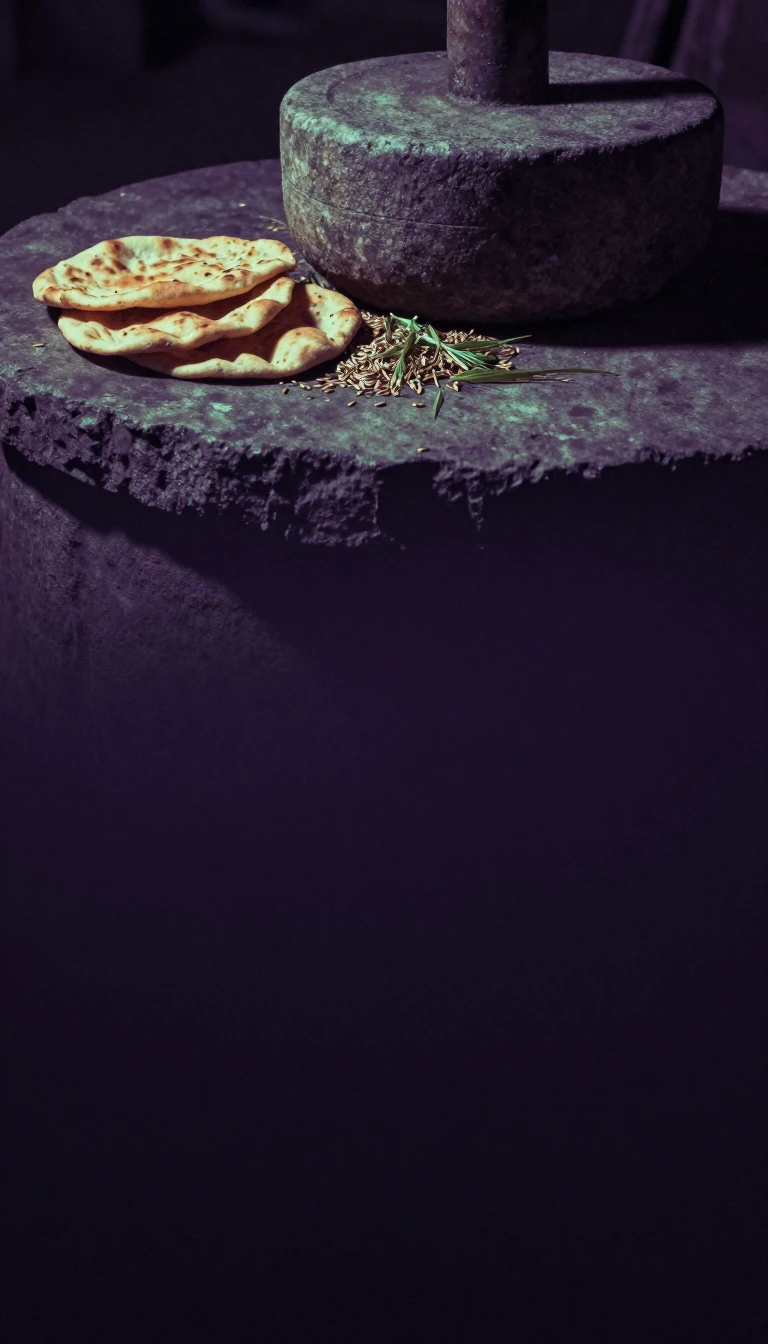
In short: Gleaning, the act of gathering leftover crops after harvest, has evolved from a survival necessity for the rural poor into a sophisticated global food recovery movement. Once a legal right for landless residents, this ancient practice now bridges the gap between agricultural surplus and societal hunger through modern organizational networks.
The roots of gleaning are deeply embedded in history, with biblical references in Leviticus and Deuteronomy mandating that farmers leave field edges, dropped produce, and forgotten crops for the poor, widows, and strangers. By the 18th and 19th centuries, gleaning provided as much as one-eighth of the annual earnings for labour-based households in Europe. However, the practice faced significant legal and technological shifts. In England, the legal right for cottagers to glean effectively ended following the 1788 Steel v Houghton decision, while mid-19th-century agricultural technology globally reduced the practice.
The modern era has transformed gleaning into a humanitarian tool. Organizations like the National Gleaning Project and the Society of St. Andrew coordinate volunteers to rescue surplus produce from farms and supermarkets. This effort is supported by legislation such as the 1996 Bill Emerson Good Samaritan Act in the United States, which limits donor liability to encourage food distribution. The scale of this impact is significant; for instance, New York State rescued 3.6 million pounds of fruits and vegetables through farm-based gleaning in 2010 alone.
Beyond agriculture, the term has expanded to describe diverse survival and ecological strategies. Marine gleaning involves fishing in shallow waters with basic gear, while ecological gleaning describes how species like songbirds or fish forage for food on surfaces. Even the mind is involved; the practice of 'woolgathering'—collecting stray bits of wool from fences—inspired the idiom for aimless mental wandering. Whether through the lens of art, such as Jean-François Millet’s 1857 painting Des Glaneuses, or modern food policy, gleaning remains a vital mechanism for resource recovery.
Opens the Intellect+ feed with this card first. Swipe up for the next one.
Sources
- Summary by Intellect · source: Gleaning
To cite this card, link to https://intellectplus.co.uk/app/science-gleaning.
How we source, check and correct cards: Editorial standards.
General information, not professional advice. Spotted an error? Flag the card or see corrections and complaints.
Intellect Plus is a visual educational discovery platform for exploring fascinating facts and ideas. Brain Food, Not Brain Rot. What is Intellect Plus?
Related
More in Physics · More in Science · Latest · A–Z · All topics
