Tito's Adriatic prison was a brutal labor camp for political dissenters and Stalinists alike.
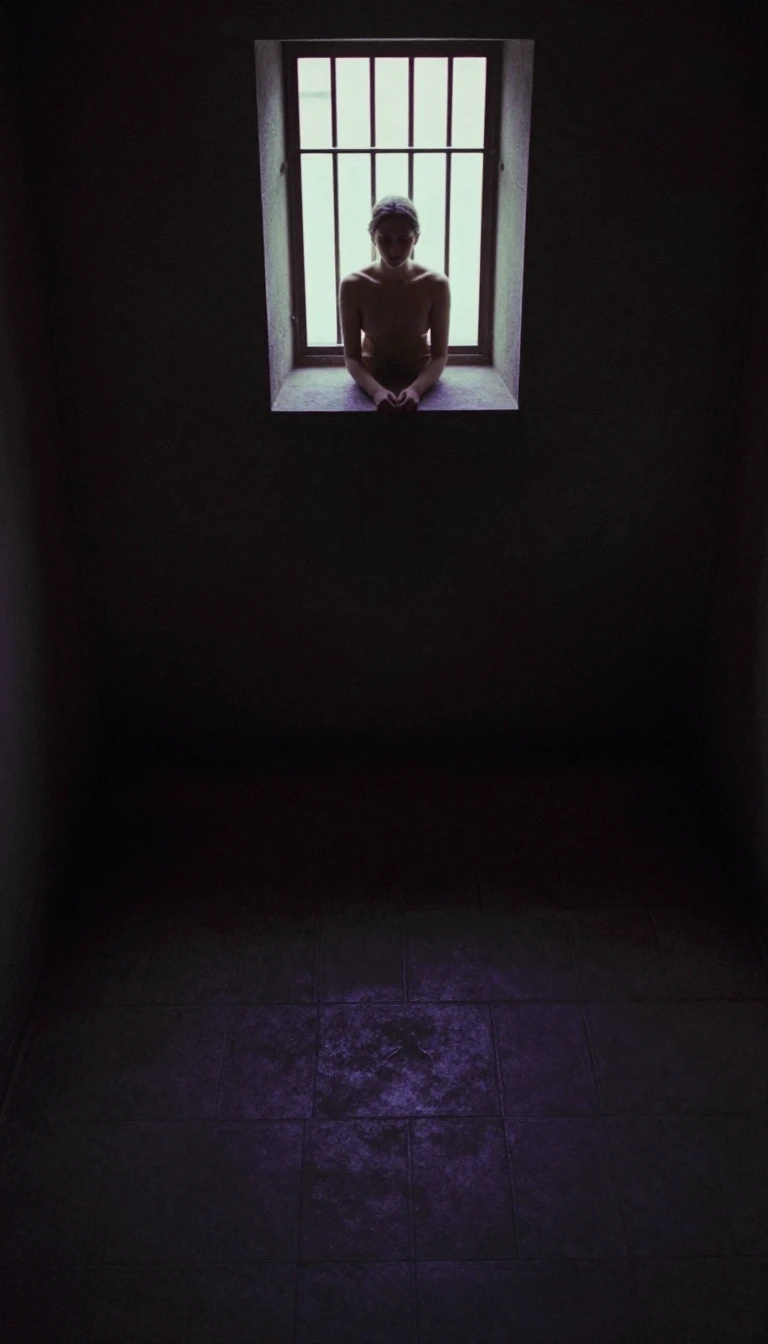
In short: Known as the Croatian Alcatraz, Goli Otok was a top-secret labor camp where thousands were imprisoned for their political allegiances. From 1948 to 1955, the regime of Josip Broz Tito utilized this barren, windswept island to break those who opposed his rule or supported the Soviet Union.
Located just two miles off the Croatian coast, Goli Otok was an uninhabited, rocky island that became a site of extreme suffering during the mid-20th century. While Austria-Hungary first used the island to hold Russian prisoners of war during World War I, it gained its most infamous reputation under the Yugoslavian regime. Following the 1948 split between Josip Broz Tito and Joseph Stalin, the island was transformed into a high-security prison and labor camp. It served as a dumping ground for those accused of supporting Stalin, as well as various nationalists and political dissenters.
The conditions on the island were notoriously harsh. Prisoners were forced to perform grueling labor in stone quarries, pottery workshops, and joinery, regardless of the extreme weather. In summer, temperatures soared to 40 °C, while winter brought the freezing, violent bora winds. The prison operated on a brutal, inmate-run hierarchy that encouraged convicts to denounce, humiliate, and beat one another to secure better treatment or survival. This system of psychological and physical torment left a lasting scar on those who survived.
Estimates regarding the human cost of the camp vary significantly. While some reports suggest that over 15,000 people were sent to the island and around 600 died, other accounts based on individual testimonies claim the death toll could be as high as 4,000. The prison remained a taboo subject in Yugoslavia for decades, only entering the public consciousness through literature and memoirs published in the 1980s and 1990s. Today, the island stands as a collection of haunting, decrepit ruins, serving as a stark reminder of the totalitarian control exerted during the Cold War era.
Opens the Intellect+ feed with this card first. Swipe up for the next one.
Sources
- Summary by Intellect · source: See the Haunting Ruins of a Prison Once Known as a ‘Living Hell’
- Also: Goli Otok
To cite this card, link to https://intellectplus.co.uk/app/science-goli-otok.
How we source, check and correct cards: Editorial standards.
General information, not professional advice. Spotted an error? Flag the card or see corrections and complaints.
Intellect Plus is a visual educational discovery platform for exploring fascinating facts and ideas. Brain Food, Not Brain Rot. What is Intellect Plus?
Related
More in Mathematicians · More in Science · Latest · A–Z · All topics
