How a tiny Balkan nation became the world's most isolated Stalinist fortress state.
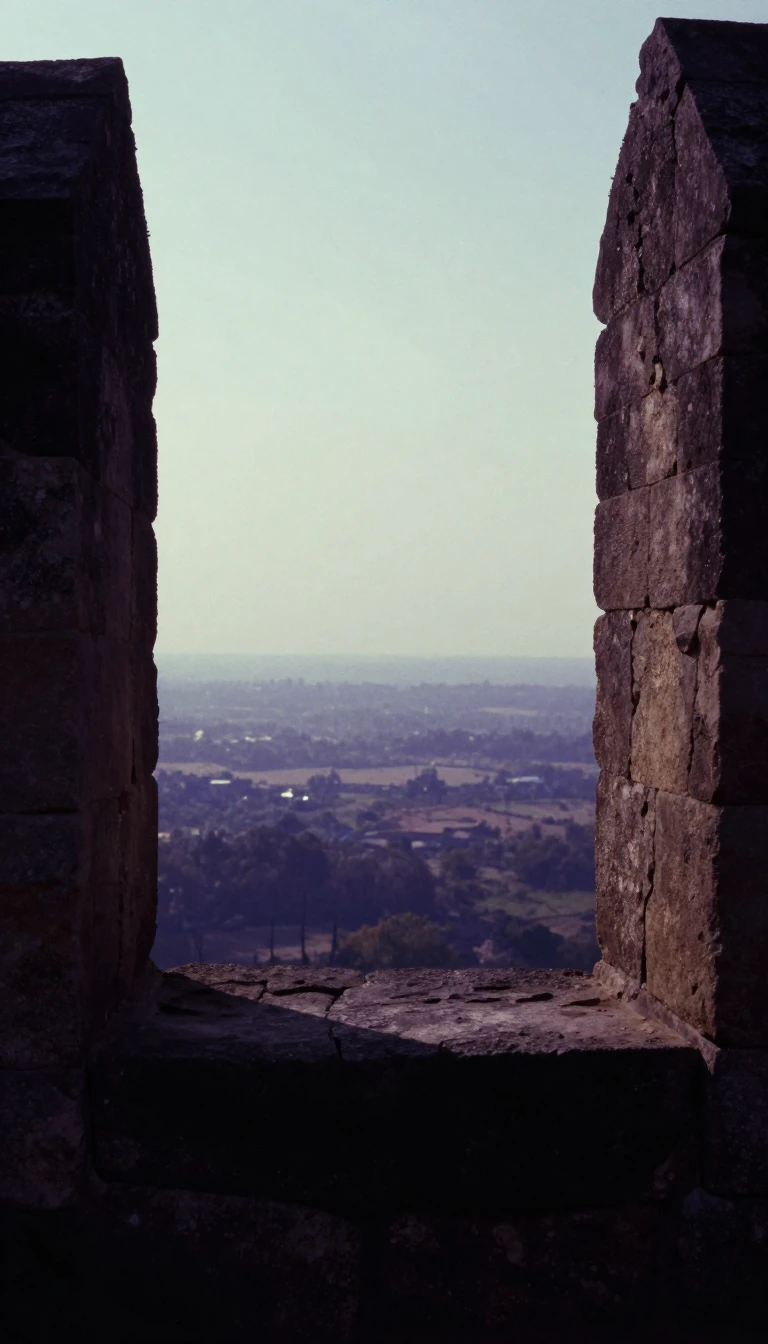
In short: From 1946 to 1991, Albania operated as a rigid, totalitarian dictatorship under Enver Hoxha. By rejecting both Western influence and the shifting ideologies of the Soviet Union and Yugoslavia, the regime transformed the country into an isolated, atheist, and heavily militarized state that survived through internal repression and paranoia.
Following the 1944 liberation from German occupation, the Communist Party of Albania, led by Enver Hoxha, moved rapidly to consolidate absolute power. By 1946, the regime had abolished the monarchy, nationalized industry, and established a centrally planned economy modeled on Soviet systems. The state utilized the Sigurimi secret police to eliminate political opposition, leading to widespread imprisonment and executions. This atmosphere of fear was codified in a 1952 penal code that mandated the death penalty for citizens as young as eleven who were deemed a threat to state property or economic stability.
Albania’s geopolitical trajectory was defined by a series of volatile alliances. Initially a satellite of Yugoslavia, the country abruptly severed ties in 1948 following the Cominform expulsion of Tito. This pivot toward the Soviet Union provided essential economic aid and military infrastructure, such as the Sazan Island submarine base. However, the relationship fractured after Stalin’s 1953 death, as Hoxha rejected Nikita Khrushchev’s reforms, viewing them as dangerous revisionism. Albania eventually became the only member to exit the Warsaw Pact before 1990, a decision triggered by the 1968 invasion of Czechoslovakia.
Despite the political repression, the regime oversaw significant modernization efforts. Between 1945 and 1953, hospital capacity tripled, and infant mortality rates dropped. Education reforms were equally aggressive; illiteracy plummeted from approximately 85% in 1946 to 31% by 1950. Yet, these gains were inseparable from the state's totalitarian nature. By 1967, the government declared Albania the world's first atheist state, further distancing itself from global norms. The regime’s survival depended on this extreme insularity, which persisted until the first multi-party elections in 1991, finally ending the era of Hoxhaist control.
The human cost of this consolidation was immense. Estimates suggest that between 5,000 and 25,000 people were killed during the communist period. Even failed attempts by Western powers to infiltrate the country in the early 1950s—compromised by double agent Kim Philby—resulted in the deaths of about 300 operatives. This history of internal purges and external suspicion left a lasting mark on the nation, which only fully repealed its communist legal framework in 1998.
Opens the Intellect+ feed with this card first. Swipe up for the next one.
Sources
- Summary by Intellect · source: People's Socialist Republic of Albania
To cite this card, link to https://intellectplus.co.uk/app/wars-people-s-socialist-republic-of-albania.
How we source, check and correct cards: Editorial standards.
General information, not professional advice. Spotted an error? Flag the card or see corrections and complaints.
Intellect Plus is a visual educational discovery platform for exploring fascinating facts and ideas. Brain Food, Not Brain Rot. What is Intellect Plus?
Related
More in World wars era · More in Wars & Conflicts · Latest · A–Z · All topics
