How a medieval duchess shaped the political and religious landscape of central Europe
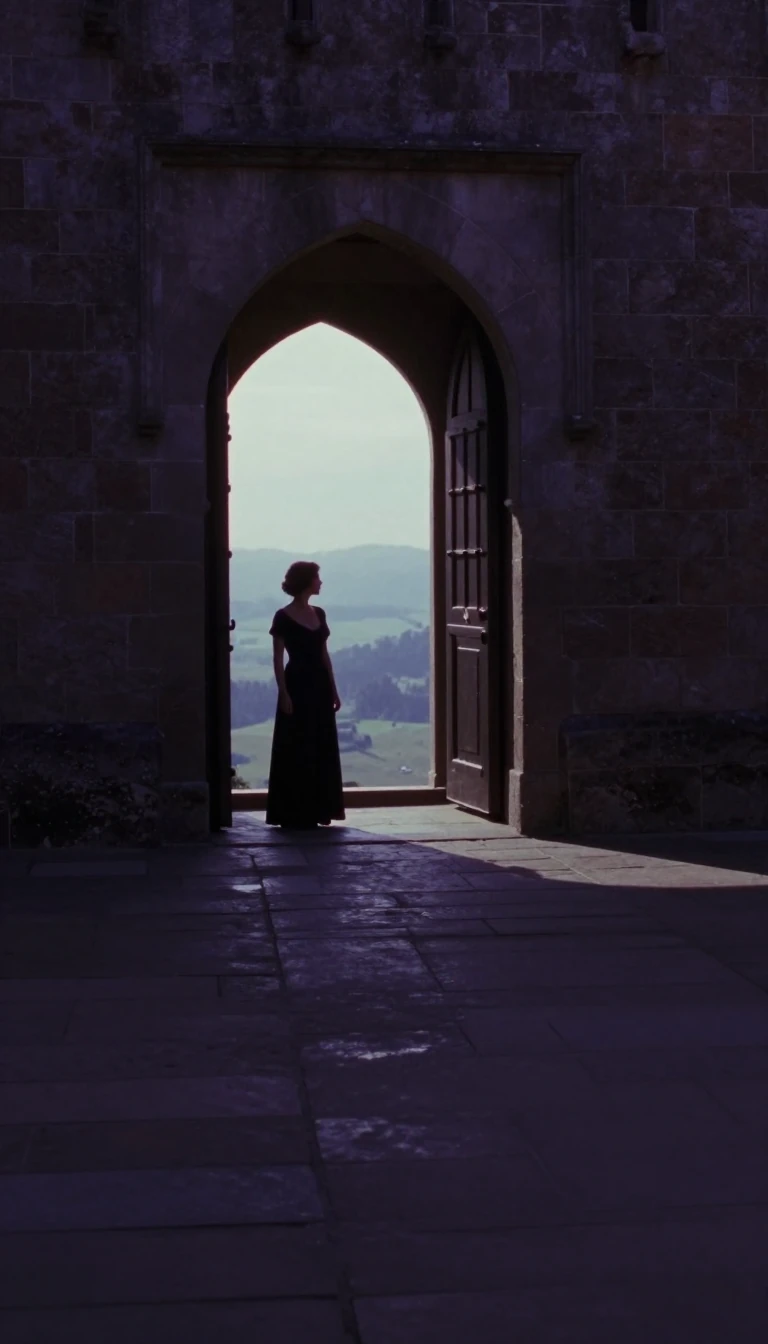
In short: Hedwig of Silesia was more than a pious noblewoman. From negotiating the release of her husband from a rival's prison to facilitating the settlement of German migrants across Silesia, she wielded significant influence. Her life, marked by tragedy and faith, left an indelible mark on the region's cultural history.
Born in 1174 at Andechs Castle, Hedwig was a member of the Bavarian House of Andechs. At age twelve, she married Henry I the Bearded, a Piast duke. Her political acumen became evident during the turbulent power struggles of the early 13th century. When her husband was captured at Płock Castle in 1229 by Duke Konrad I of Masovia, it was Hedwig who intervened, successfully pleading for his release. Her support was instrumental in Henry's eventual rise to become High Duke at Kraków in 1232, aligning their rule with the 1138 Testament of Bolesław III Wrymouth.
Beyond politics, Hedwig was a transformative figure in regional development. She invited settlers from the Holy Roman Empire to cultivate barren lands and establish new towns, a process known as Ostsiedlung. Her religious devotion was equally profound; she founded the Trzebnica Abbey in 1202 and supported various orders, including the Knights Templar. Despite her high status, she was known for her asceticism and charity, famously caring for the poor, widows, and orphans, and establishing hospitals for the sick and lepers.
The latter part of her life was defined by loss. She witnessed the death of her husband in 1238 and the killing of her son, Henry II the Pious, during the Mongol invasion at the Battle of Legnica in 1241. Following these tragedies, she retired to the Trzebnica Abbey. Canonized in 1267 by Pope Clement IV, she remains the patron saint of Silesia. Her legacy persists through centuries of veneration, from the construction of St. Hedwig's Cathedral in Berlin in 1773 to the 2020 discovery of her remains in a silver casket at Trzebnica.
Opens the Intellect+ feed with this card first. Swipe up for the next one.
Sources
- Summary by Intellect · source: Hedwig of Silesia
To cite this card, link to https://intellectplus.co.uk/app/science-hedwig-of-silesia.
How we source, check and correct cards: Editorial standards.
General information, not professional advice. Spotted an error? Flag the card or see corrections and complaints.
Intellect Plus is a visual educational discovery platform for exploring fascinating facts and ideas. Brain Food, Not Brain Rot. What is Intellect Plus?
Related
More in Social scientists · More in Science · Latest · A–Z · All topics
