The distorted little man in your brain is a beautiful, persistent scientific myth
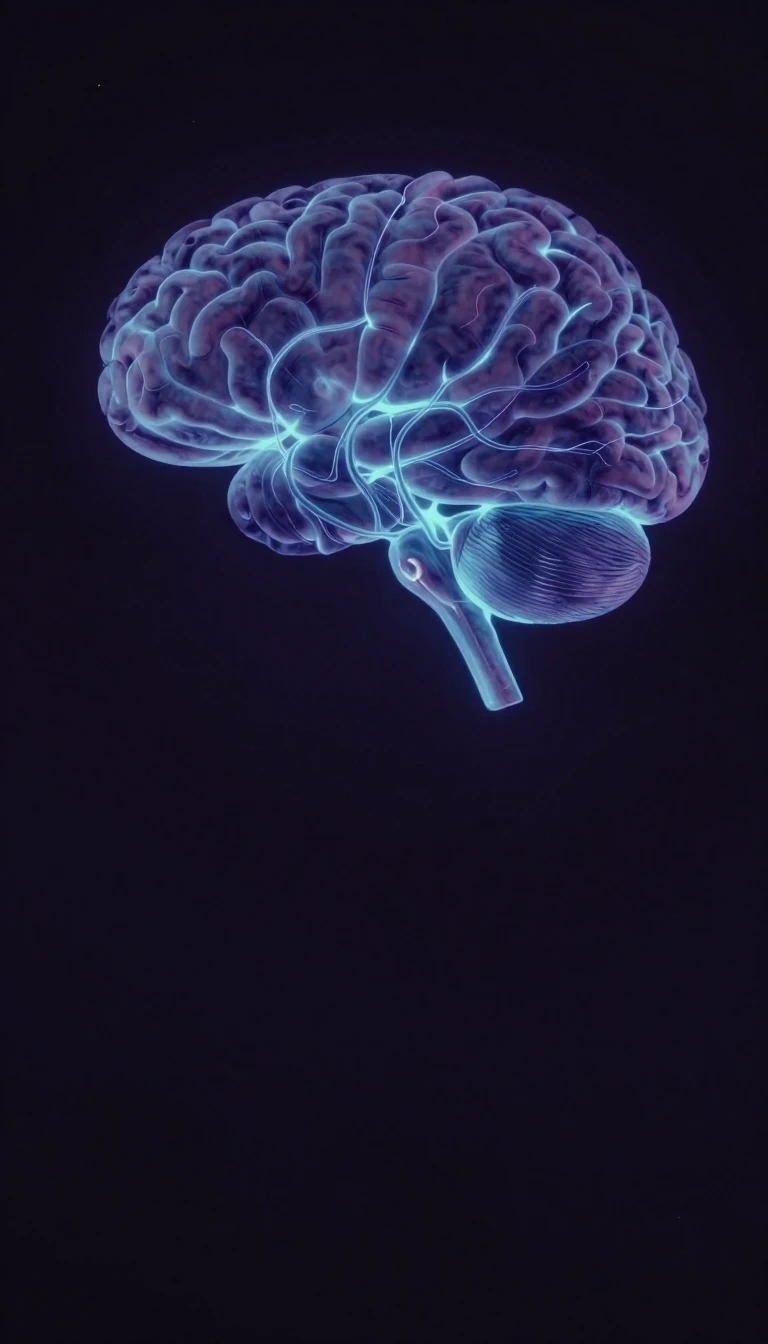
In short: For decades, neuroscience textbooks have featured a grotesque, disproportionate figure known as the cortical homunculus. This 'little man' was meant to map how our brain perceives the body, but modern science reveals this iconic image is a massive oversimplification of how our complex neural pathways actually function.
The term homunculus, Latin for 'little person,' has a long, strange history. In medieval and early modern alchemy, it referred to an artificial, miniature human believed to be creatable through arcane rituals. By the early modern period, natural philosophers shifted the concept to biology, proposing that a tiny, fully formed human resided within a single sperm cell to explain development in the womb.
The modern scientific iteration emerged in 1937, when neurologists Wilder Penfield and Edwin Boldrey published a study in the journal Brain. By electrically stimulating the cerebral cortex of 126 awake surgical patients, they mapped which brain areas corresponded to specific body parts. They visualized this data as a distorted figure where hands, face, and tongue were massively enlarged, reflecting the amount of neural 'real estate' dedicated to those regions.
While these images became iconic, they are fundamentally misleading. The drawings suggest a rigid, orderly separation between sensory and motor cortices, but no such clear-cut division exists. The brain is far more interconnected, processing signals from both regions simultaneously to coordinate movement and sensation. The homunculus model sacrificed this functional overlap to create a simple, static diagram.
Ultimately, the homunculus remains a valid way to illustrate that the brain prioritizes body parts based on information density rather than physical size. The hands, lips, and tongue require vast sensorimotor pathways to perform delicate tasks like playing a violin or speaking. However, the 'little man' is a metaphor, not a literal map of the brain’s architecture.
Opens the Intellect+ feed with this card first. Swipe up for the next one.
Sources
- Summary by Intellect · source: Homunculus | Description, History, Models, & Importance | Britannica
- Also: Homunculus
To cite this card, link to https://intellectplus.co.uk/app/science-homunculus.
How we source, check and correct cards: Editorial standards.
General information, not professional advice. Spotted an error? Flag the card or see corrections and complaints.
Intellect Plus is a visual educational discovery platform for exploring fascinating facts and ideas. Brain Food, Not Brain Rot. What is Intellect Plus?
Related
More in Human body & genes · More in Science · Latest · A–Z · All topics
