Life is not a simple family tree, but a tangled web of shared DNA.
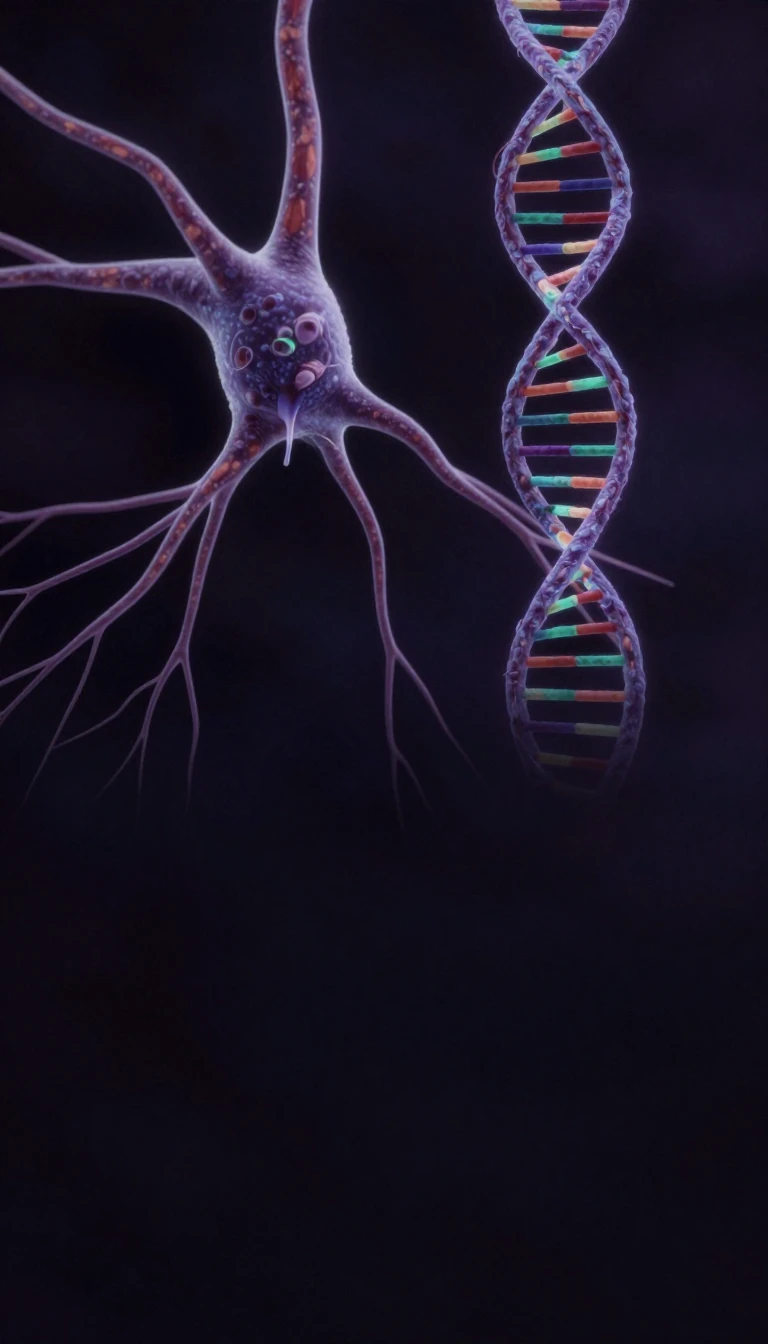
In short: We usually think of evolution as a vertical descent from parent to offspring. Yet, horizontal gene transfer allows organisms to swap genetic material across species lines. This process, once thought rare, is a fundamental driver of innovation, from antibiotic-resistant bacteria to the complex genomes of plants and animals.
Horizontal gene transfer (HGT) is the transmission of genetic material between different genomes, bypassing the traditional path of reproduction. While vertical inheritance moves DNA from parent to child, HGT allows for the rapid acquisition of novel traits. In prokaryotes, this is a primary mechanism for evolution, enabling bacteria to adapt to new environments or develop resistance to antibiotics. By sharing plasmids—small, free-floating pieces of DNA—bacteria can quickly distribute genes that encode enzymes capable of inactivating drugs, a process that has become a significant challenge in modern medicine.
The mechanisms of HGT are diverse. Transduction occurs when a bacteriophage virus carries DNA from one bacterium to another, while conjugation involves direct cell-to-cell contact to transfer plasmids. Transformation, another key method, involves the uptake of foreign genetic material from the environment. These processes are not limited to the microbial world. Evidence shows that HGT also occurs in eukaryotes, including plants and animals. For instance, the sweet potato genome contains genes from Agrobacterium, and certain insects have acquired DNA from viruses. Even humans are not immune; research suggests that lateral gene transfer from bacteria may be enriched in cancer samples.
The evolutionary significance of HGT is profound. Molecular biologists like Peter Gogarten have described it as a new paradigm for biology, shifting our understanding of how complexity and innovation arise. While HGT is thought to be less frequent in multicellular eukaryotes than in prokaryotes, its impact on adaptation is undeniable. From antifreeze genes in fish to the potential for archaic human DNA to influence modern traits, HGT challenges the traditional view of life as a strictly branching tree. Instead, it reveals a dynamic, interconnected system where genetic information flows freely, constantly reshaping the biological landscape across the tree of life.
Opens the Intellect+ feed with this card first. Swipe up for the next one.
Sources
- Summary by Intellect · source: Horizontal gene transfer: building the web of life - Nature Reviews Genetics
- Also: Horizontal gene transfer | Definition, Mechanisms, & Facts | Britannica
- Also: Horizontal gene transfer
To cite this card, link to https://intellectplus.co.uk/app/science-horizontal-gene-transfer.
How we source, check and correct cards: Editorial standards.
General information, not professional advice. Spotted an error? Flag the card or see corrections and complaints.
Intellect Plus is a visual educational discovery platform for exploring fascinating facts and ideas. Brain Food, Not Brain Rot. What is Intellect Plus?
Related
More in Human body & genes · More in Science · Latest · A–Z · All topics
