How Britain's Hunt-class destroyers evolved from unstable designs into essential wartime workhorses
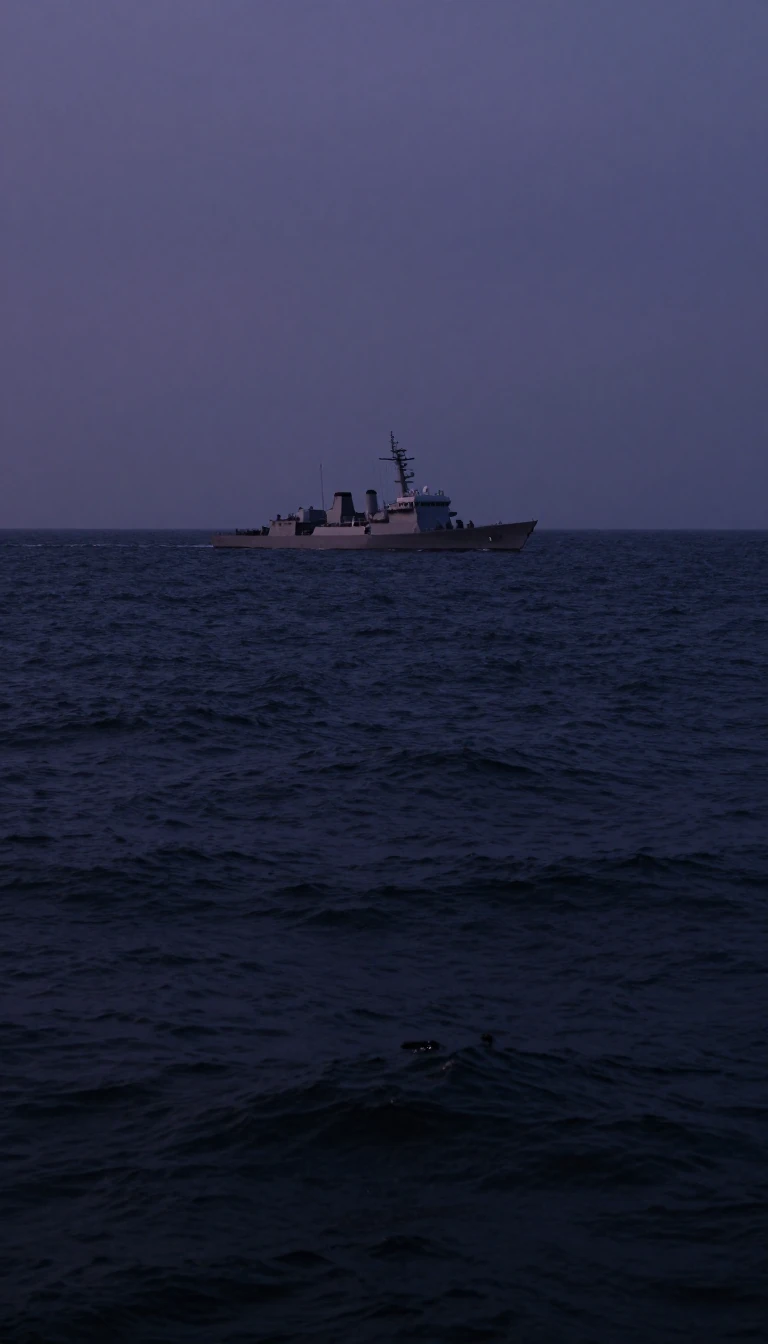
In short: Designed to protect convoys during the Second World War, the Hunt-class destroyers were initially plagued by dangerous instability. Through iterative engineering and structural redesigns, the Royal Navy transformed these compact vessels into highly effective, mass-produced escorts that served across the globe, eventually influencing post-war naval architecture and ship design.
At the onset of the Second World War, the Royal Navy identified a critical gap in its fleet: existing destroyers were built for high-speed maneuvers, making them inefficient and poor at sea-keeping during the slow-speed escort duties required for trade protection. To address this, the Hunt class was conceived as a specialized 'fast escort vessel.' These ships were designed for mass production, sacrificing some speed and heavy armament to prioritize cost-effectiveness and suitability for convoy defense in the North Sea and Mediterranean.
The development process was fraught with technical challenges. Early assessments revealed that the initial Type I design was dangerously top-heavy, with a center of gravity higher than anticipated. To rectify this, engineers removed the aft gun mounting and added 50 tons of ballast. Subsequent Type II ships underwent a more radical structural change: the hull was split lengthwise and widened by 2.5 feet to improve stability. This allowed the vessels to carry a significantly larger depth charge capacity, rising from 40 to 110 charges, while maintaining safety.
Innovation continued with the Type III and Type IV variants. The Type III group introduced torpedo tubes for Mediterranean operations, while the Type IV featured a unique, U-shaped hull designed by John I. Thornycroft & Company. This experimental hull improved steaming efficiency by 8 percent at 20 knots. Furthermore, the Type IV’s extended fo'c'sle provided superior crew accommodation and protection, allowing sailors to remain at action stations for extended periods in harsh weather. Though the Hunt class was a developmental cul-de-sac, its modular evolution and focus on habitability left a lasting mark on post-war naval design.
Opens the Intellect+ feed with this card first. Swipe up for the next one.
Sources
- Summary by Intellect · source: Hunt-class destroyer
To cite this card, link to https://intellectplus.co.uk/app/science-hunt-class-destroyer.
How we source, check and correct cards: Editorial standards.
General information, not professional advice. Spotted an error? Flag the card or see corrections and complaints.
Intellect Plus is a visual educational discovery platform for exploring fascinating facts and ideas. Brain Food, Not Brain Rot. What is Intellect Plus?
Related
More in Physics · More in Science · Latest · A–Z · All topics
