The physics of a hurricane's death: from tropical heat to cold transition
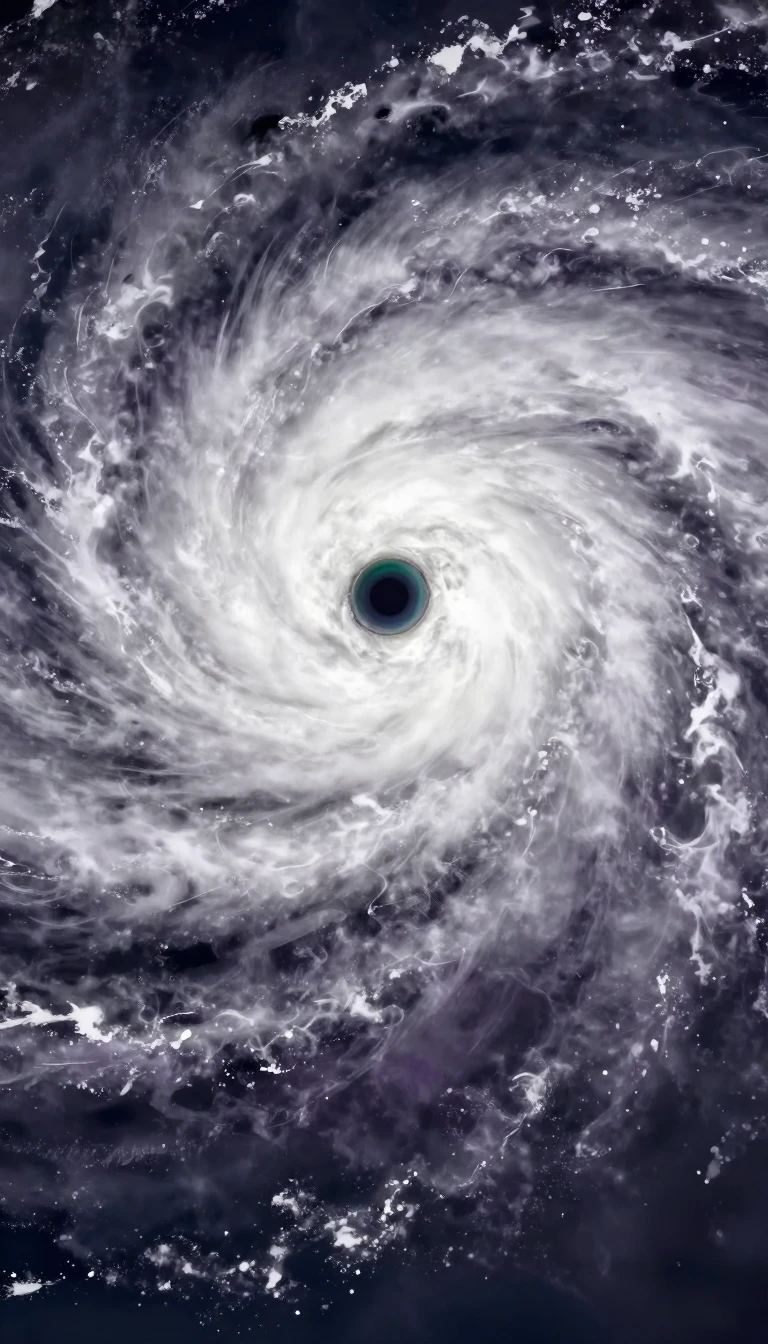
In short: Hurricane Joaquin didn't just vanish; it underwent a structural transformation. By moving into colder waters, it lost the thermal engine required to sustain its tropical identity, transitioning into a post-tropical cyclone. This shift illustrates the delicate balance between ocean heat and atmospheric dynamics that governs our planet's most powerful storms.
Hurricane Joaquin's lifecycle serves as a textbook example of tropical cyclone thermodynamics. To maintain its intensity as a tropical cyclone, a storm requires sea surface temperatures of at least 80°F (26.6°C). As Joaquin moved into the northern Atlantic, it encountered waters below this threshold, depriving the storm of the energy needed to fuel its organized deep convection and developing thunderstorms. This loss of heat led to a measurable warming of cloud top temperatures, signaling a decrease in the atmospheric uplift that sustains a storm's power.
The transition from a tropical to a post-tropical cyclone is marked by structural reorganization. NASA's Aqua satellite, equipped with the Atmospheric Infrared Sounder (AIRS), captured Joaquin's transformation on October 7, 2015. The data revealed that westerly winds were pushing the bulk of the cold clouds away from the center toward the northeast. This asymmetry, combined with a lack of organized deep convection, led the National Hurricane Center to declare it a post-tropical cyclone. However, a nuance exists: while it lost its tropical characteristics, it was not immediately classified as extratropical because it was not yet embedded within a frontal zone.
The scale of Joaquin's influence was immense, even as it weakened. At its peak, it reached sustained winds of 155 mph (250 km/h), making it the strongest Atlantic hurricane of non-tropical origin in the satellite era. Even as it transitioned, it continued to exert significant physical influence, generating dangerous surf conditions and a massive moisture plume. This plume, visible via infrared imagery, connected the storm to a separate weather system, drawing moisture from the Bahamas to cause catastrophic flooding in South Carolina. It demonstrates how a storm's energy can be redistributed across thousands of miles even after its primary structure begins to fail.
Opens the Intellect+ feed with this card first. Swipe up for the next one.
Sources
- Summary by Intellect · source: Joaquin (was TD11 - Atlantic Ocean) - NASA
- Also: Hurricane Joaquin
To cite this card, link to https://intellectplus.co.uk/app/science-hurricane-joaquin.
How we source, check and correct cards: Editorial standards.
General information, not professional advice. Spotted an error? Flag the card or see corrections and complaints.
Intellect Plus is a visual educational discovery platform for exploring fascinating facts and ideas. Brain Food, Not Brain Rot. What is Intellect Plus?
Related
More in Physics · More in Science · Latest · A–Z · All topics
