The hurricane that redefined the limits of Atlantic destruction
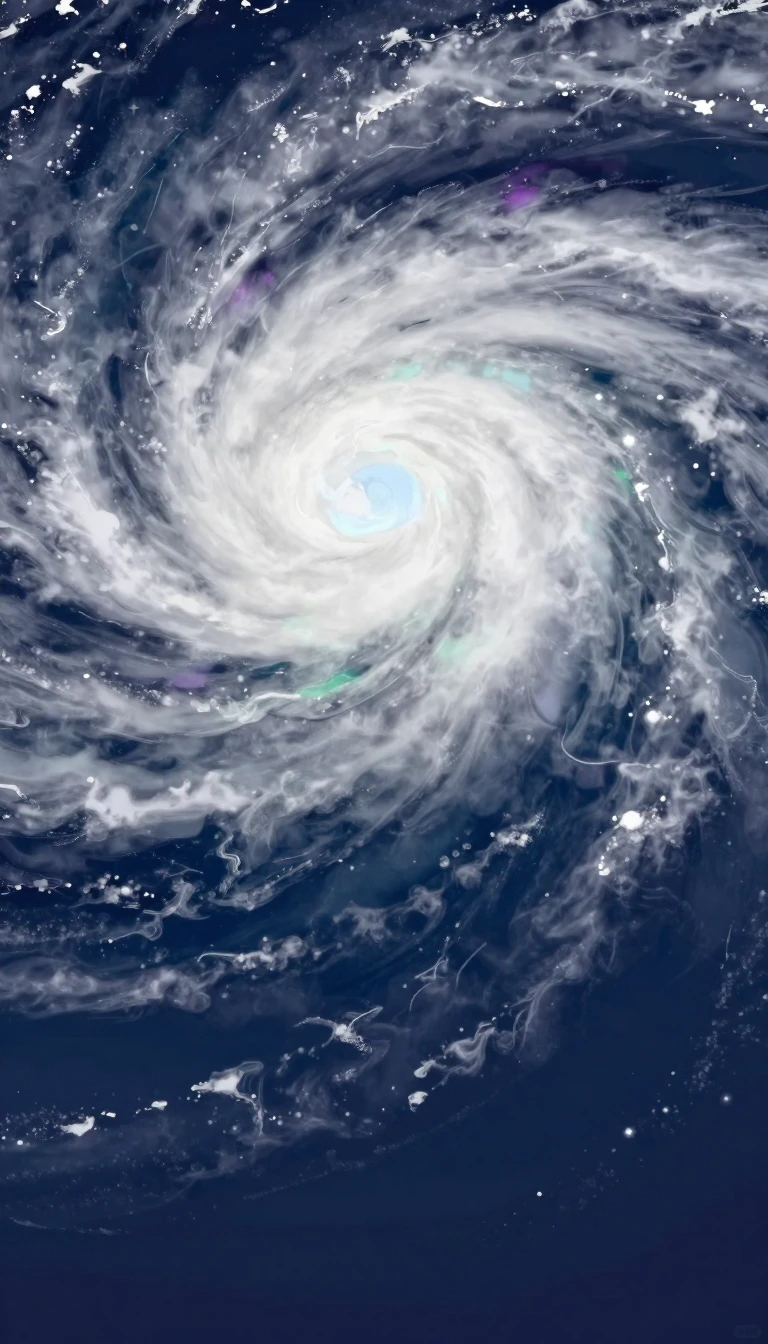
In short: Hurricane Georges was a marathon of meteorological violence. Traversing the Caribbean and Gulf of Mexico in 1998, it made more landfalls than almost any other storm in modern history, leaving a trail of catastrophic flooding and unprecedented economic loss across six nations.
Hurricane Georges was a study in sustained power and complex movement. Originating as an African coastal tropical wave on 13 September 1998, the storm hit Category 4 strength by 19 September, featuring 155 mph (250 km/h) peak winds and 937 mbar lowest pressure. Unlike storms that strike once and dissipate, Georges was a long-lived cyclone that maintained its intensity while traversing the Caribbean, making landfalls in at least six countries—a record surpassed only by the 1966 storm Hurricane Inez.
The storm's impact was defined by its diversity of destruction. In Puerto Rico, it was the first hurricane to hit the island since 1932, causing 10 ft (3 m) storm surges and leaving 96% of the population without power. In St. Kitts, the hurricane destroyed up to 25% of homes and devastated 50% of the sugar crop. While the U.S. saw fewer direct fatalities due to timely evacuations, the human cost elsewhere was staggering; the storm killed 615 people, primarily on the island of Hispaniola.
Economically, Georges was a titan of disaster. It caused just under $10 billion in damages in 1998 dollars, making it the costliest Atlantic hurricane until 2004. The American Red Cross spent $104 million on relief—the largest amount in the program's 125-year history. The storm was so devastating that its name was officially retired, serving as a benchmark for the extreme risks posed by major tropical cyclones in the Atlantic basin.
The storm also highlighted the psychology of disaster. In Alabama and the Florida Panhandle, many residents chose to stay in their homes despite mandatory orders, believing their structures were safe enough. This behavior contrasted with the mass evacuations in the Florida Keys, where over 1.2 million people fled, though 20,000 remained to protect their livelihoods as shrimpers.
Opens the Intellect+ feed with this card first. Swipe up for the next one.
Sources
- Summary by Intellect · source: Hurricane Georges
To cite this card, link to https://intellectplus.co.uk/app/science-hurricane-georges.
How we source, check and correct cards: Editorial standards.
General information, not professional advice. Spotted an error? Flag the card or see corrections and complaints.
Intellect Plus is a visual educational discovery platform for exploring fascinating facts and ideas. Brain Food, Not Brain Rot. What is Intellect Plus?
Related
More in Physics · More in Science · Latest · A–Z · All topics
