Why did British architects build grand Mughal-style palaces to project an invincible empire?
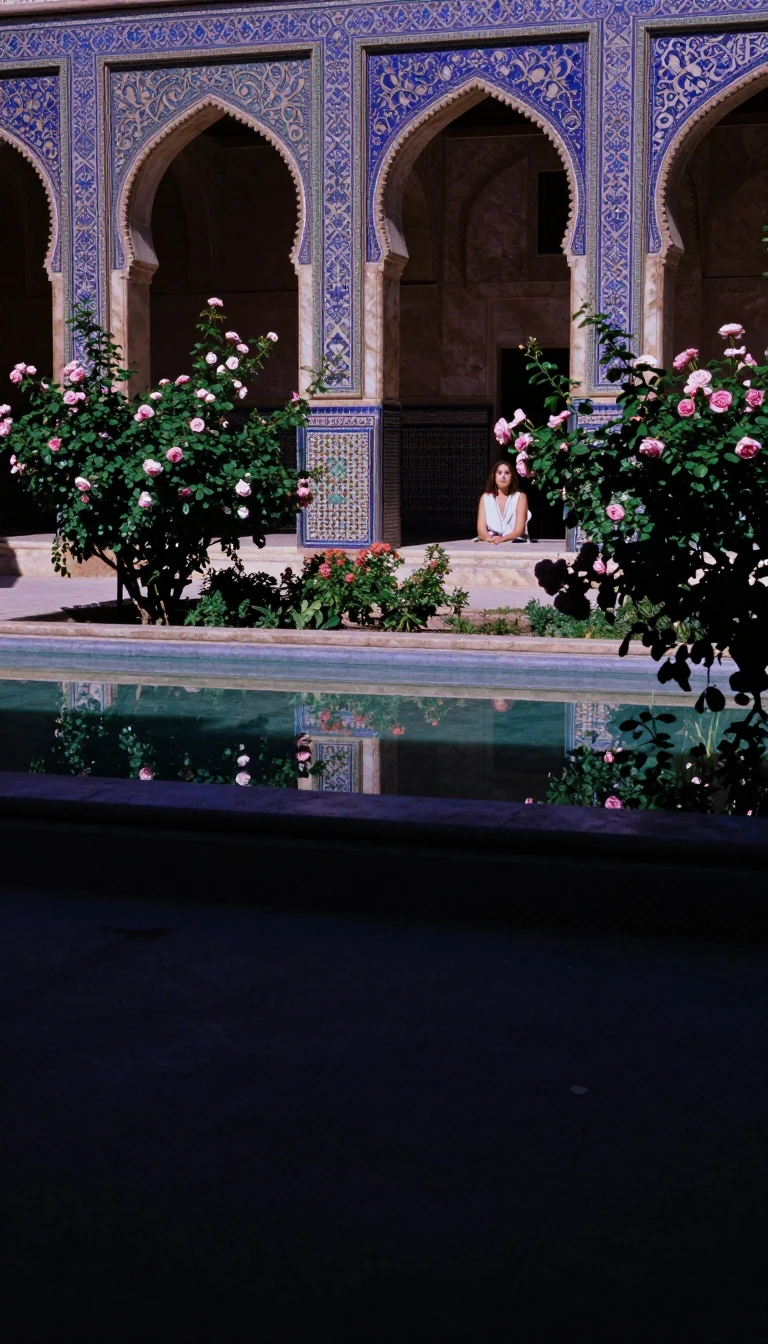
In short: In the late 19th century, the British Raj adopted a revivalist architectural style that blended Western structural layouts with ornate Indian decorative elements. This Indo-Saracenic movement was designed to project the British as the natural, legitimate successors to the Mughals, using grand public buildings to signal an unassailable imperial authority.
The Indo-Saracenic style emerged as a deliberate political tool during the British Raj, which lasted from 1858 to 1947. By grafting features like chhajja eaves, pointed arches, and scalloped motifs onto modern structures—such as railway stations, law courts, and government offices—the British aimed to make their presence more palatable to the Indian public. This architectural synthesis was not merely aesthetic; it was an attempt to encapsulate the subcontinent's history within a new imperial framework, positioning the British as the rightful heirs to the Mughal legacy.
While the style peaked around 1880, it was notably absent from Kolkata, where European Neoclassical architecture remained dominant. Instead, it flourished in Mumbai and Chennai, where authorities like James Fergusson actively discouraged the use of Dravidian architecture, which they found difficult to adapt to modern bureaucratic functions. The construction of these buildings was expensive, requiring detailed stone carving, which limited the style primarily to large-scale public edifices and the palaces of princely states. Behind these ornate facades, however, engineers often utilized modern, hidden substructures of iron, steel, and concrete.
The style also traveled beyond India to British colonies like Malaya. In Kuala Lumpur, where there was no local tradition of stone or brick construction, British architects created what scholar Thomas R. Metcalf calls an 'Orientalist fantasy.' Figures like Arthur Benison Hubback designed mosques and government buildings that drew on Indian Islamic motifs despite having no relationship to local Malay traditions. These structures, such as the Sultan Abdul Samad Building, were the result of a deliberate decision by colonial engineers to impose a 'Mahametan' style, creating a lasting, if artificial, architectural landscape that persists long after Malayan independence in 1957.
Opens the Intellect+ feed with this card first. Swipe up for the next one.
Sources
- Summary by Intellect · source: Indo-Saracenic architecture
To cite this card, link to https://intellectplus.co.uk/app/science-indo-saracenic-architecture.
How we source, check and correct cards: Editorial standards.
General information, not professional advice. Spotted an error? Flag the card or see corrections and complaints.
Intellect Plus is a visual educational discovery platform for exploring fascinating facts and ideas. Brain Food, Not Brain Rot. What is Intellect Plus?
Related
More in Social scientists · More in Science · Latest · A–Z · All topics
