Why the induction motor is the silent workhorse powering our modern industrial world
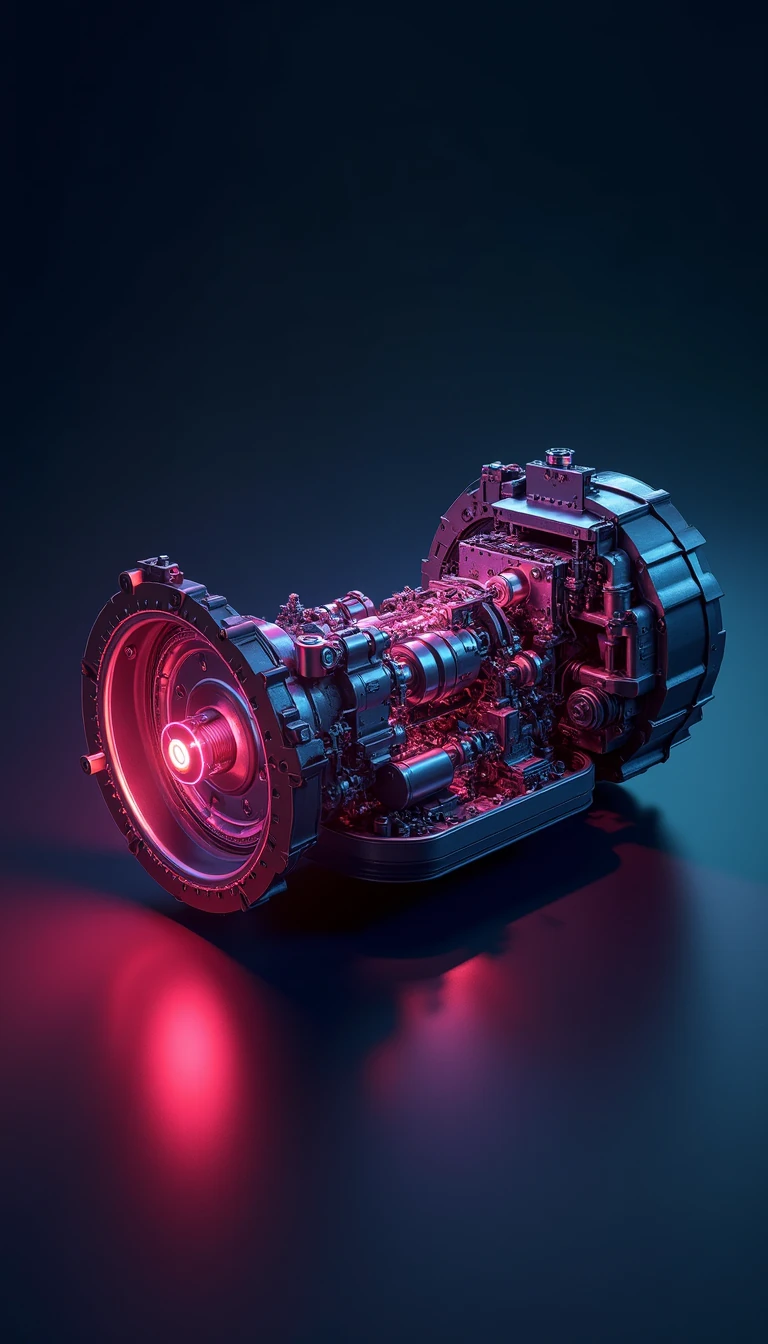
In short: An induction motor generates torque without any electrical connection to its rotor, relying instead on electromagnetic induction. This elegant design makes these motors incredibly reliable and self-starting. From small household appliances to massive industrial fans and pumps, this asynchronous technology remains the backbone of modern mechanical power and efficiency.
The induction motor operates on a fundamental principle: the stator's alternating current creates a rotating magnetic field that induces an opposing current in the rotor. Because this rotor current creates its own magnetic field, the rotor is pushed to follow the stator's rotation. Crucially, the rotor must always spin slightly slower than the magnetic field—a phenomenon known as slip—to maintain the induction process. If the rotor were to match the speed of the magnetic field exactly, no current would be induced, and torque would vanish.
The history of this technology is a tale of competing innovations. While François Arago first theorized rotating magnetic fields in 1824, practical motors emerged only in the late 1880s. Galileo Ferraris and Nikola Tesla independently developed polyphase induction motors, with Tesla presenting his system to the AIEE in 1888. George Westinghouse quickly licensed these designs, though early versions faced challenges. Mikhail Dolivo-Dobrovolsky later introduced the robust cage-rotor design in 1889, which eventually became the industry standard.
The efficiency of these machines has improved drastically over the last century. By the 1970s, a 100-horsepower motor could fit into the same physical space that a 7.5-horsepower model occupied in 1897. Today, engineers use variable-frequency drives to manage slip and optimize performance across varying loads. Whether in a simple desk fan or a complex industrial compressor, the induction motor remains a masterpiece of electromagnetic engineering, turning invisible magnetic forces into reliable, constant motion.
While standard designs are highly effective, they are not without limitations. Single-phase motors, for instance, often require specialized starting circuitry, such as shaded poles or capacitors, to initiate rotation. Furthermore, induction motors can operate as generators, though this requires careful management of reactive power. Despite these nuances, the induction motor’s ability to function without direct rotor connections ensures its continued dominance in applications where durability and low maintenance are paramount.
Opens the Intellect+ feed with this card first. Swipe up for the next one.
Sources
- Summary by Intellect · source: Induction motor
To cite this card, link to https://intellectplus.co.uk/app/science-induction-motor.
How we source, check and correct cards: Editorial standards.
General information, not professional advice. Spotted an error? Flag the card or see corrections and complaints.
Intellect Plus is a visual educational discovery platform for exploring fascinating facts and ideas. Brain Food, Not Brain Rot. What is Intellect Plus?
Related
More in UK & Ireland: science · More in Science · Latest · A–Z · All topics
