From Domesday manor to global hub, how Kensington evolved into a dense urban center.
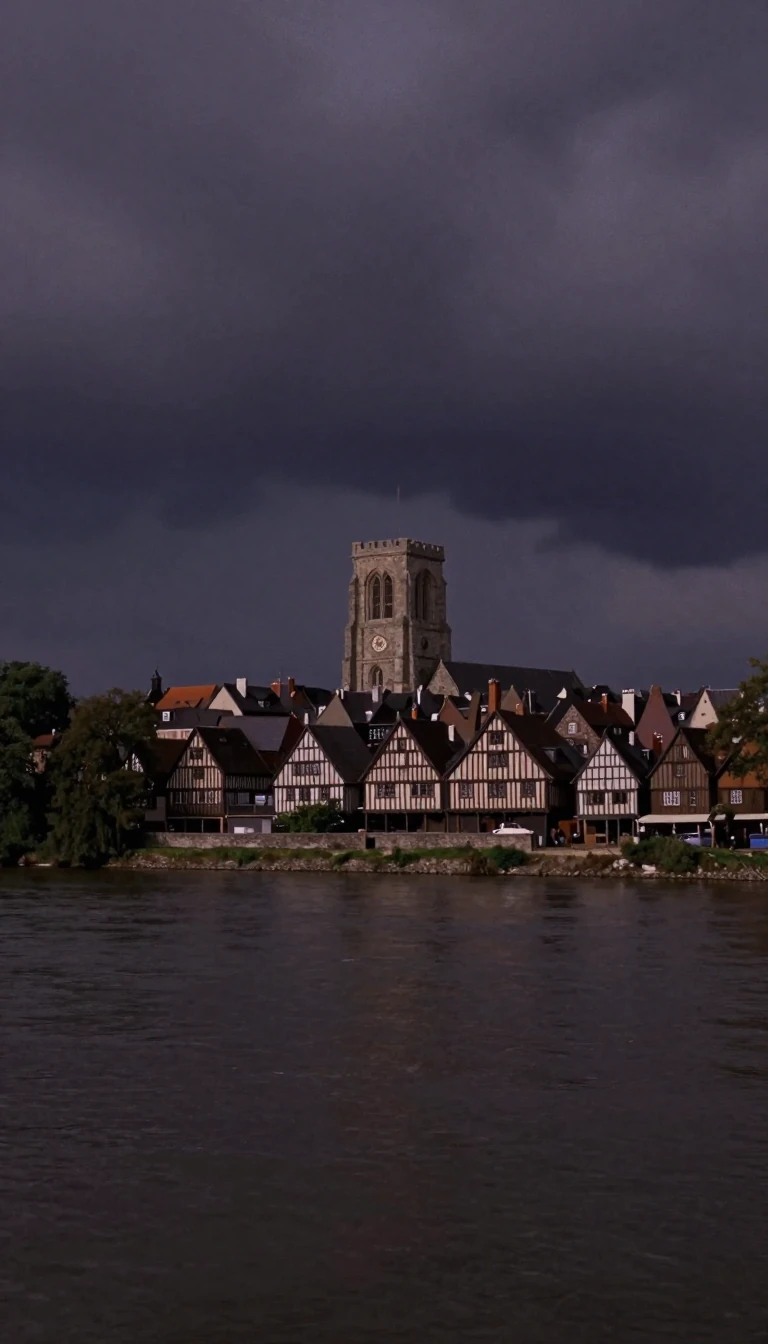
In short: Once a modest Anglo-Saxon settlement recorded in the 1086 Domesday Book, Kensington has transformed into one of the most densely populated and affluent districts in the United Kingdom. Today, this London enclave balances historic royal associations with a high-status commercial identity and a world-renowned concentration of scientific and cultural institutions.
The origins of Kensington trace back to the manor of Chenesitone, a settlement named after Chenesi. Following the Norman Conquest, William the Conqueror granted the land to Geoffrey de Mowbray, Bishop of Coutances. The tenancy eventually passed to Aubrey de Vere I, whose family connection to the area became so significant that their manorial business, conducted via a courthouse, led to the naming of Earl's Court. A separate sub-manor, granted to Abingdon Abbey, established the ecclesiastical foundation of St Mary Abbots.
Modern Kensington is defined by its intense density, holding the title of the most crowded local government district in the United Kingdom. This demographic profile is largely the result of subdividing sprawling Victorian and Georgian terraced houses into individual flats. While the northern reaches feature high-rise residential blocks, the southern landscape is dominated by prestigious educational and cultural landmarks, including Imperial College London and the Science Museum, clustered near Exhibition Road.
The area's commercial and social character remains highly fluid. Kensington High Street, once a premier shopping destination, has faced shifting fortunes due to competition from newer retail hubs like Westfield. Infrastructure projects, such as the short-lived 2020 cycle lane funded by £700,000 in government grants, highlight the ongoing tension between historic urban layouts and contemporary transit demands. Despite these pressures, the district maintains its status as a high-value residential enclave, with property prices in areas like Upper Phillimore Gardens reaching upwards of £20 million by 2007.
Opens the Intellect+ feed with this card first. Swipe up for the next one.
Sources
- Summary by Intellect · source: Kensington
To cite this card, link to https://intellectplus.co.uk/app/science-kensington.
How we source, check and correct cards: Editorial standards.
General information, not professional advice. Spotted an error? Flag the card or see corrections and complaints.
Intellect Plus is a visual educational discovery platform for exploring fascinating facts and ideas. Brain Food, Not Brain Rot. What is Intellect Plus?
Related
More in UK & Ireland: science · More in Science · Latest · A–Z · All topics
