A cosmic laboratory reveals how space dust transforms into complex carbon structures
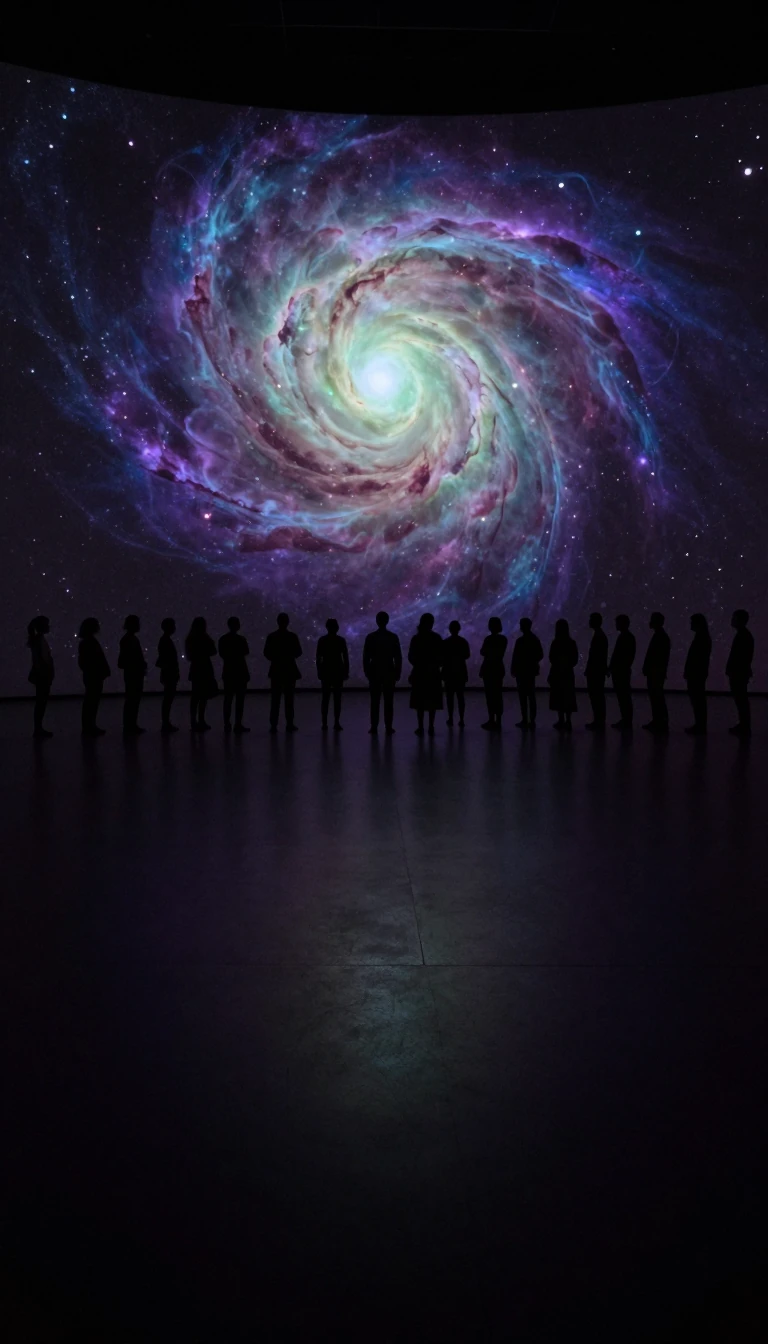
In short: The Iris Nebula, a bright reflection nebula 1,300 light-years away, acts as a celestial factory. By studying its complex clouds, astronomers have discovered that space is not just empty void; it is a dynamic environment where ultraviolet radiation forces simple organic molecules to evolve into stable, complex carbon fullerenes.
Discovered in 1794 by Sir William Herschel, the Iris Nebula (NGC 7023) is a six-light-year-wide reflection nebula in the constellation Cepheus. It is illuminated by a central binary system of intermediate-mass Herbig Ae/Be stars, which drive the nebula's complex physics. These stars have carved out a biconical cavity and created various photodissociation regions, where intense radiation fields interact with dense clouds of gas and dust.
The nebula is rich in polycyclic aromatic hydrocarbons (PAHs), large organic molecules featuring honeycomb-like carbon structures. Research using the Spitzer Space Telescope’s Infrared Spectrograph revealed prominent emission lines at 7.04 μm, marking the first firm detection of neutral fullerenes (C60) in interstellar space. Previously, scientists believed fullerenes formed only in the hot, dense envelopes of evolved stars. However, the Iris Nebula proves they can form efficiently in cold, tenuous interstellar clouds under strong ultraviolet radiation.
The formation process likely involves PAHs converting into graphene under UV exposure. Models suggest that molecules like circumovalene undergo full dehydrogenation, folding into a closed cage that shrinks by losing C2 units until it reaches the stable C60 configuration. This process is kinetically limited, meaning only molecules with 60 to 66 carbon atoms contribute significantly. Once formed, these fullerenes remain stable for over 10 million years in moderate radiation environments.
Beyond its chemistry, the nebula serves as a site for star formation. Observations of young stellar objects (YSOs) support the theory that gravitational instabilities in pre-existing condensations, compressed by hot gas, drive the birth of new stars. The nebula’s magnetic field, which varies in strength across different stellar cores, appears reordered by the high-velocity gas outflows from the central binary system, further illustrating the violent, creative forces at play within this cosmic structure.
Opens the Intellect+ feed with this card first. Swipe up for the next one.
Sources
- Summary by Intellect · source: Iris Nebula
To cite this card, link to https://intellectplus.co.uk/app/science-iris-nebula.
How we source, check and correct cards: Editorial standards.
General information, not professional advice. Spotted an error? Flag the card or see corrections and complaints.
Intellect Plus is a visual educational discovery platform for exploring fascinating facts and ideas. Brain Food, Not Brain Rot. What is Intellect Plus?
Related
More in Scientific discoveries · More in Science · Latest · A–Z · All topics
