How a single voyage provided the blueprint for Japan's rapid modernization
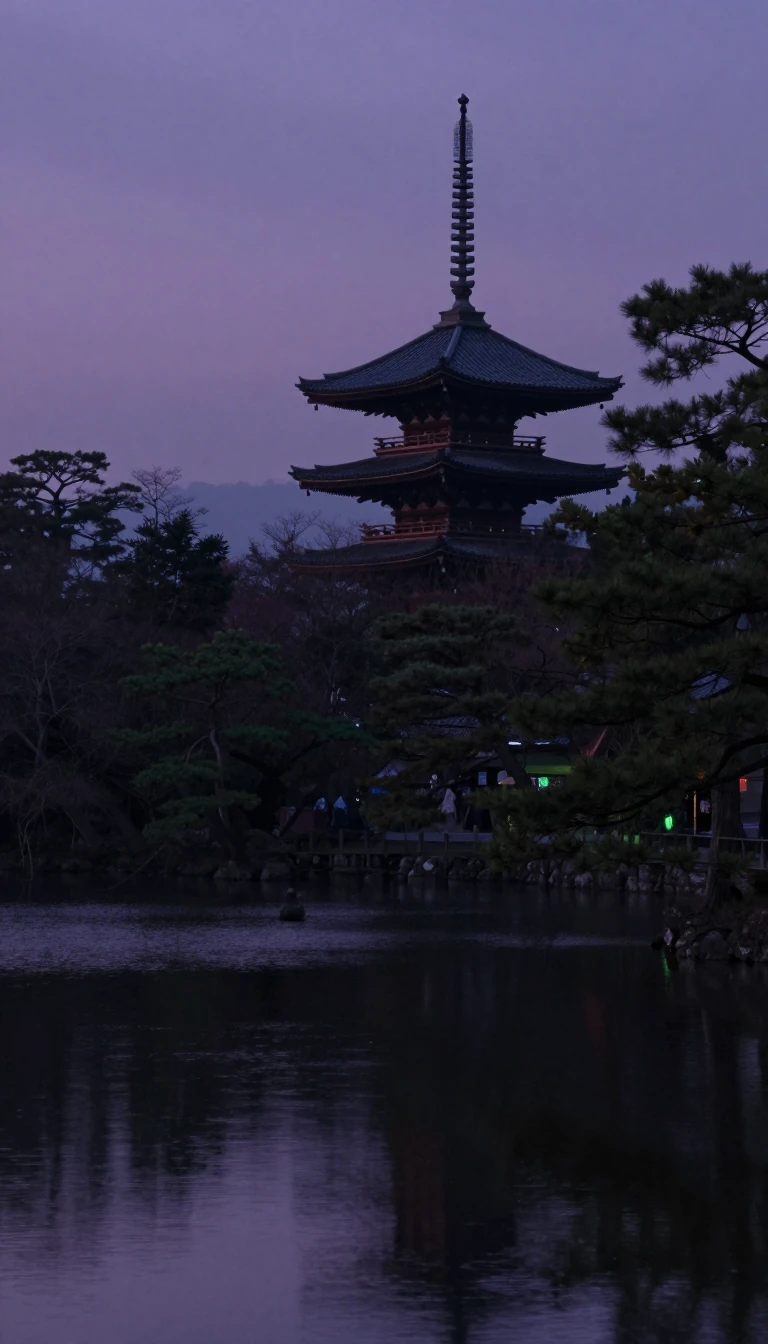
In short: In 1871, Japan sent a massive diplomatic expedition to the West. While other nations responded to Western expansion with military resistance, Japan chose a different path: an exhaustive study of foreign power. This mission didn't just seek recognition; it sought the secret mechanics of modern civilization.
The Iwakura Mission (1871–1873) was a landmark voyage led by Iwakura Tomomi, who served as the extraordinary and plenipotentiary ambassador. Accompanied by 48 administrators and scholars—including key ministers like Ōkubo Toshimichi and Itō Hirobumi—the group set sail from Yokohama on the SS America. Their primary objectives were to gain international recognition for the Meiji dynasty, renegotiate "unequal treaties," and conduct a comprehensive study of Western industrial, political, military, and educational systems.
Unlike previous missions that focused narrowly on trade or diplomacy, this expedition functioned as a massive fact-finding operation. The group toured schools in Boston and New York, inspected shipbuilding and steel fabrication in Glasgow, and visited textile mills in Yorkshire. They even descended into coal mines to understand the raw energy of the Industrial Revolution. Notably, they were so well-integrated into Western society that contemporary reports noted they could scarcely be distinguished from their English companions except by their complexion.
The mission's impact was profound and multi-generational. While it failed to immediately revise treaty rights—a goal that delayed the return by four months—it provided a blueprint for Japanese modernization. It also facilitated long-term human connections: five young women stayed in the U.S. to study, including Tsuda Umeko, who later founded a major university; and Kaneko Kentarō remained in the U.S., eventually becoming a friend of Theodore Roosevelt. Historians cite this mission as one of the most important events in building the foundation of the modern Japanese state.
The experience was meticulously documented by private secretary Kume Kunitake, whose five-volume official diary provided a detailed account of Western industrialization. This record served as an essential guide for Japanese leaders to implement similar systems at home, transitioning the nation from a period of isolation to a global power.
Opens the Intellect+ feed with this card first. Swipe up for the next one.
Sources
- Summary by Intellect · source: Iwakura Mission
To cite this card, link to https://intellectplus.co.uk/app/science-iwakura-mission.
How we source, check and correct cards: Editorial standards.
General information, not professional advice. Spotted an error? Flag the card or see corrections and complaints.
Intellect Plus is a visual educational discovery platform for exploring fascinating facts and ideas. Brain Food, Not Brain Rot. What is Intellect Plus?
Related
More in Social scientists · More in Science · Latest · A–Z · All topics
