The deadly sweet substance that once flavored Roman wine and Victorian hair dye
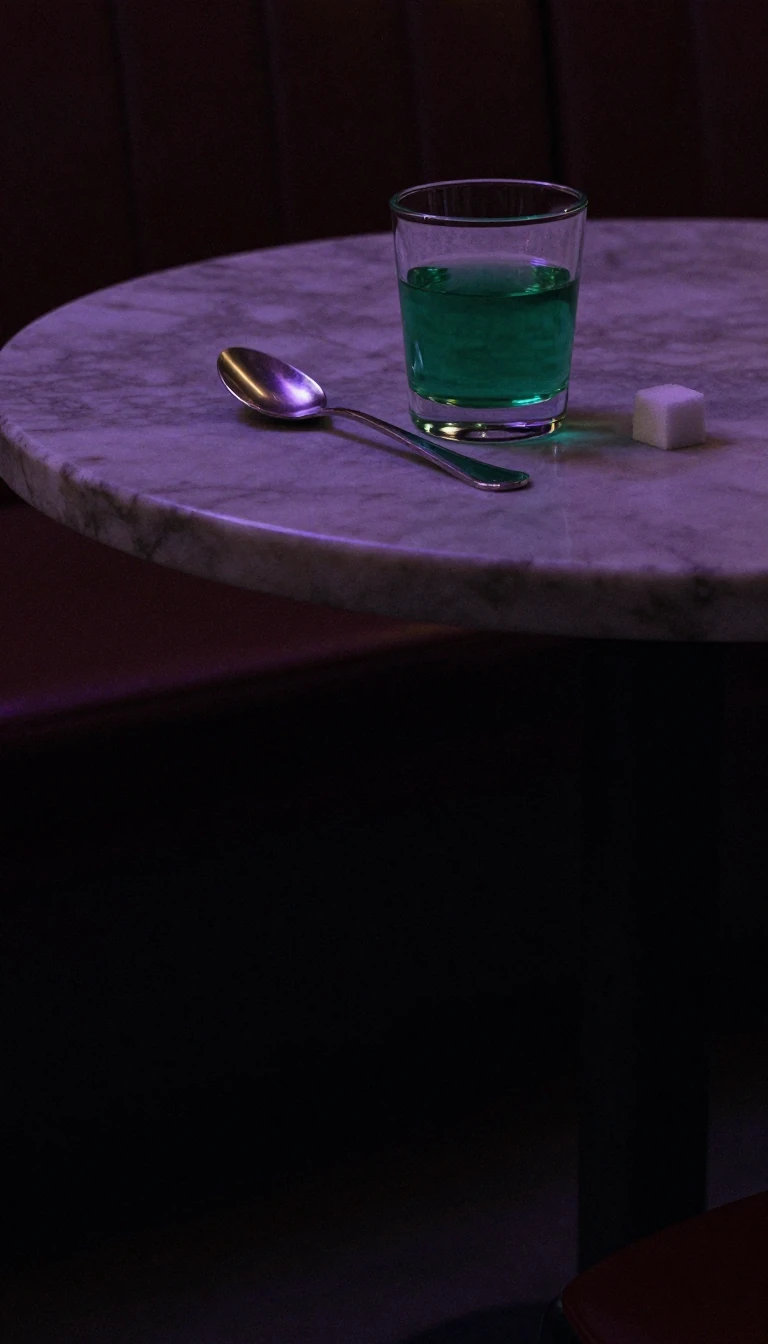
In short: Known historically as sugar of lead, this crystalline compound possesses a deceptive sweetness that masked its lethal toxicity. From ancient Roman kitchens to modern cosmetic aisles, its history is a trail of accidental poisonings, medical experimentation, and slow regulatory recognition of the severe health risks posed by lead exposure.
Lead(II) acetate, or Pb(CH3COO)2, is a white crystalline substance historically prized for its sweet taste. This property led the ancient Romans to boil grape must in lead vessels, creating a syrup called sapa used to preserve and sweeten wine. While the practice was eventually outlawed, the prohibition remained largely ineffective for centuries because no reliable chemical method existed to detect the additive. The compound's toxicity is profound; it causes lead poisoning, a danger that has claimed lives from Pope Clement II in 1047 to horses in 1887.
Beyond its culinary misuse, the substance found utility in diverse fields. It served as a mordant in textile printing, a drier for linseed oil, and a reagent in chemical synthesis, including Sir Isaac Newton's experiments with prisms. In the 19th century, it was even applied as a folk remedy for ailments ranging from sore eyes to cholera. Its most persistent modern application was in progressive hair dyes, where it acted as a colorant. Despite its known reproductive toxicity and potential carcinogenicity, some manufacturers continued including it in products until as recently as 2018.
The chemistry of lead acetate is as complex as its history. It can be synthesized by reacting lead with acetic acid and hydrogen peroxide, a process that also occurs unintentionally when cleaning firearm suppressors. Because it is highly toxic, safe disposal requires converting the aqueous solution into lead(II) sulfate, which is nearly insoluble and easier to manage. Today, the substance is largely banned in cosmetics across Canada and the European Union, marking a final retreat for a chemical that once masqueraded as a harmless sweetener.
The legacy of sugar of lead remains a cautionary tale in public health. Whether through the accidental ingestion of 20 grams by the painter Albert Christoph Dies in 1787 or the suspected poisoning of Ludwig van Beethoven, the compound has left a permanent mark on history. Its transition from a common household additive to a strictly regulated hazardous material illustrates the long, difficult process of identifying and mitigating environmental toxins.
Opens the Intellect+ feed with this card first. Swipe up for the next one.
Sources
- Summary by Intellect · source: Lead(II) acetate
To cite this card, link to https://intellectplus.co.uk/app/science-lead-ii-acetate.
How we source, check and correct cards: Editorial standards.
General information, not professional advice. Spotted an error? Flag the card or see corrections and complaints.
Intellect Plus is a visual educational discovery platform for exploring fascinating facts and ideas. Brain Food, Not Brain Rot. What is Intellect Plus?
Related
More in Salts and ions · More in Science · Latest · A–Z · All topics
