The pungent, bone-bleaching chemical that saved the French wine industry in the 1840s.
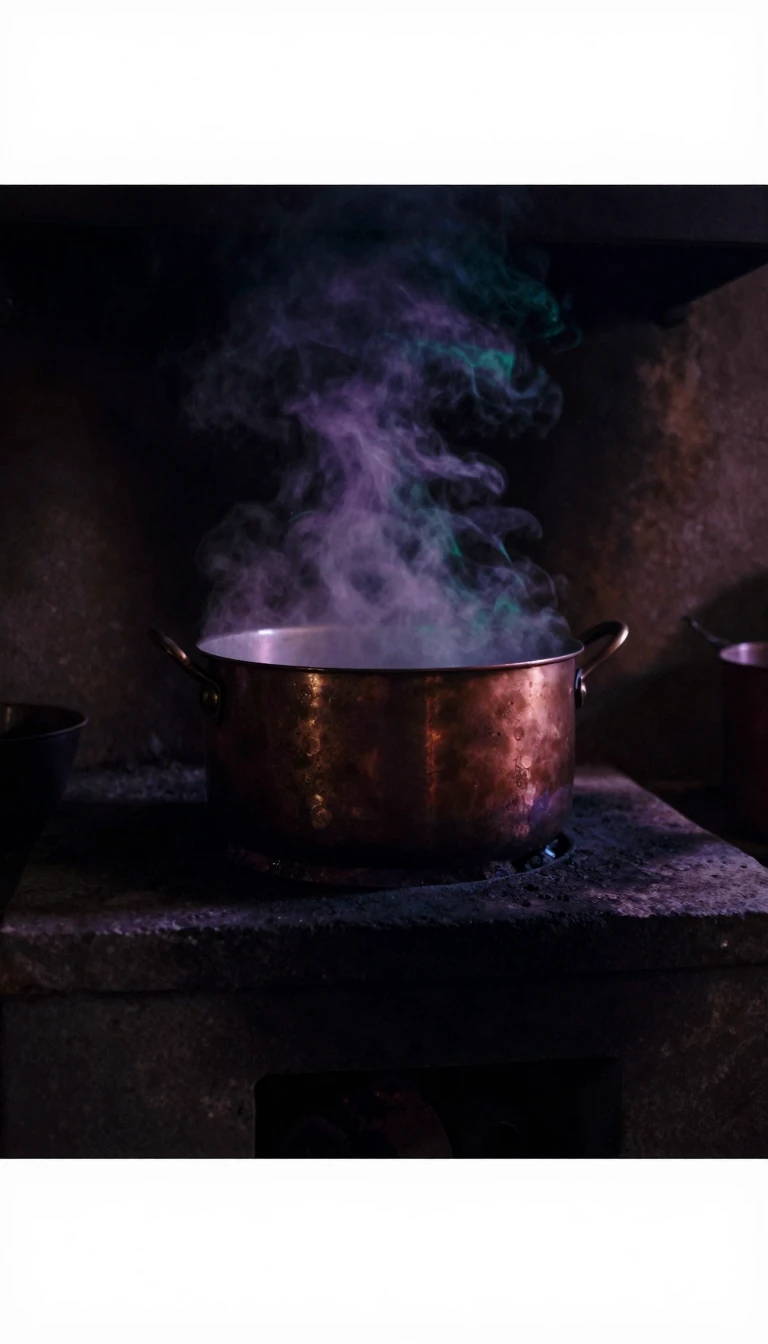
In short: Lime sulfur is a potent, foul-smelling mixture of calcium polysulfides used for over a century to protect crops and preserve bonsai deadwood. While it remains a staple in organic farming and horticulture, its chemistry is notoriously complex, and its corrosive nature demands extreme caution during handling.
Lime sulfur is primarily a mixture of calcium polysulfides and thiosulfate, created by boiling elemental sulfur with calcium hydroxide. The resulting aqueous solution is reddish-yellow and emits the distinct, offensive odor of hydrogen sulfide, reminiscent of rotten eggs. Because it is highly alkaline—often maintaining a pH above 11.5—it is corrosive to skin and eyes, posing a serious risk of injury or blindness if mishandled.
The chemical synthesis of lime sulfur is surprisingly difficult to pin down. While USDA documents provide a general reaction scheme, the process involves complex reductions and oxidations that are not fully captured by simple equations. Researchers like Hajjatie et al. have explored various reaction pathways, noting that the presence of disulfide anions—similar to those found in the mineral pyrite—is key to its composition. These reactions are so intricate that they remain a subject of ongoing study, as the solution continues to evolve even after application through oxidation and microbial activity.
Historically, lime sulfur was a revolutionary tool for agriculture. It emerged in France during the 1840s to combat powdery mildew, a fungus that had devastated wine production by 80%. By 1886, it was deployed in California against San Jose scale, and by the 1920s, it was the standard protection for commercial orchards across the West. Though largely superseded by synthetic organic fungicides in the 1940s, it remains approved for organic use in the European Union and the United Kingdom today.
Beyond its role as a pesticide, lime sulfur serves a unique aesthetic purpose in bonsai culture. Enthusiasts paint undiluted solution onto deadwood to sterilize and preserve it, bleaching the wood to a stark, bone-white finish. This technique requires precision, as the chemical can burn foliage if it comes into contact with living leaves or needles, highlighting the dual nature of a substance that can both protect and destroy.
Opens the Intellect+ feed with this card first. Swipe up for the next one.
Sources
- Summary by Intellect · source: Lime sulfur
To cite this card, link to https://intellectplus.co.uk/app/science-lime-sulfur.
How we source, check and correct cards: Editorial standards.
General information, not professional advice. Spotted an error? Flag the card or see corrections and complaints.
Intellect Plus is a visual educational discovery platform for exploring fascinating facts and ideas. Brain Food, Not Brain Rot. What is Intellect Plus?
Related
More in Salts and ions · More in Science · Latest · A–Z · All topics
