Why some animals defy the simple binary of cold-blooded versus warm-blooded creatures
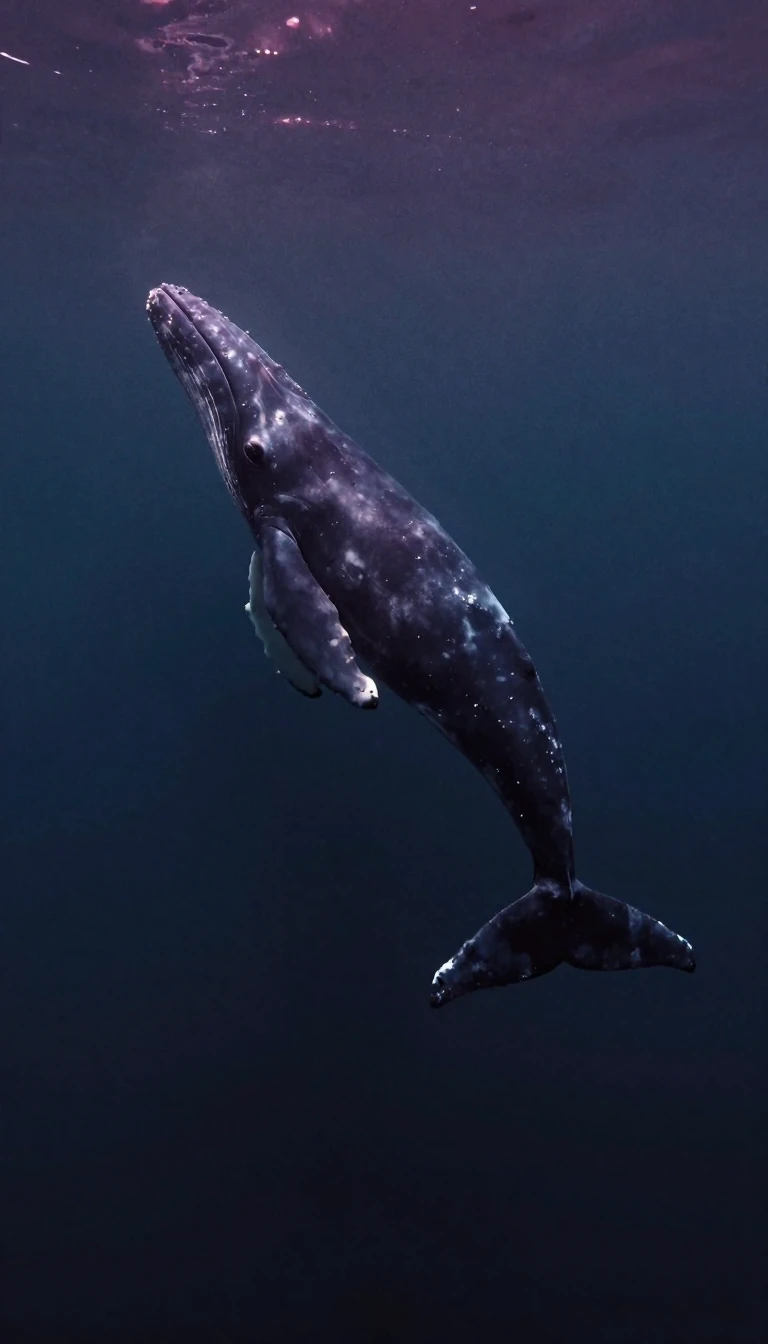
In short: Biology often forces animals into two camps: ectotherms that rely on the environment and endotherms that generate their own heat. Yet, mesotherms occupy a fascinating middle ground. By producing internal heat without strictly regulating a constant body temperature, these creatures challenge our understanding of how life manages energy and survival.
The term mesotherm, derived from Greek for middle and warm, describes a unique thermoregulatory strategy. Unlike ectotherms, mesotherms generate metabolic heat, but unlike endotherms, they lack the precise metabolic control required to maintain a constant internal temperature. When the surrounding environment cools, a mesotherm's body temperature and metabolic rate drop accordingly. This creates a distinct physiological profile where body size plays a critical role; as these animals grow larger, their surface area to volume ratio decreases, naturally slowing heat loss—a phenomenon known as gigantothermy.
While rare today, this strategy is employed by diverse species including tuna, lamnid sharks like the great white, leatherback sea turtles, naked mole rats, and echidnas. The concept has also become central to the long-standing debate over dinosaur physiology. Researchers like Grady et al. proposed that dinosaurs were mesothermic based on their intermediate growth rates compared to modern vertebrates. This hypothesis suggests that dinosaurs occupied a metabolic niche between the rapid growth of mammals and the slower development of typical ectotherms.
This theory remains contested. Critics like D'Emic argued that seasonal resource variations might have led to an underestimation of dinosaur growth rates. If adjusted upward, these rates might align more closely with endothermic mammals. However, proponents point out that such seasonal sensitivity applies to all vertebrates, meaning the relative gap in growth rates persists. Recent isotopic studies of fossils offer further nuance: while some feathered theropods show lower body temperatures of 32.0 °C, large sauropods reached 37.0 °C, potentially reflecting the influence of gigantothermy. Ultimately, while mesothermy provides a compelling framework for understanding ancient and modern life, it remains an active area of scientific inquiry requiring further evidence.
Historically, the term had a different application in botany. De Candolle used it to classify plants requiring moderate heat, specifically those thriving where the warmest month averages above 22 °C and the coldest stays above 6 °C. This linguistic overlap highlights the shifting ways we categorize the relationship between living organisms and their thermal environments.
Opens the Intellect+ feed with this card first. Swipe up for the next one.
Sources
- Summary by Intellect · source: Mesotherm
To cite this card, link to https://intellectplus.co.uk/app/science-mesotherm.
How we source, check and correct cards: Editorial standards.
General information, not professional advice. Spotted an error? Flag the card or see corrections and complaints.
Intellect Plus is a visual educational discovery platform for exploring fascinating facts and ideas. Brain Food, Not Brain Rot. What is Intellect Plus?
Related
More in Biological processes and physiology · More in Science · Latest · A–Z · All topics
