Why being massive allows cold-blooded animals to mimic the warmth of mammals
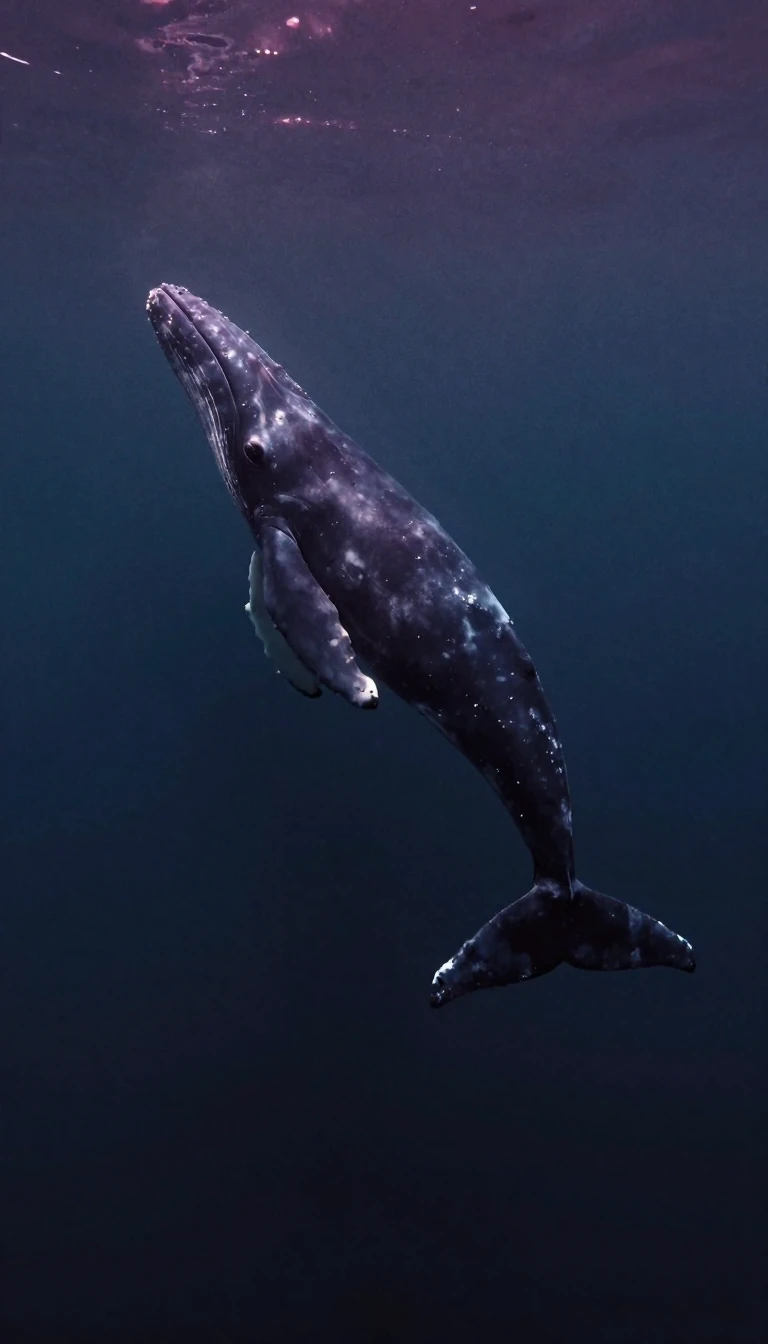
In short: Gigantothermy explains how bulky ectotherms maintain stable, high body temperatures without the high-energy metabolism of mammals. By leveraging a low surface-area-to-volume ratio, these creatures lose heat slowly, effectively becoming homeothermic through sheer size. It is a clever biological workaround that prioritizes energy efficiency over the constant, demanding fuel intake of endotherms.
Gigantothermy, also known as inertial homeothermy, describes a physiological phenomenon where large ectothermic animals maintain relatively constant, high body temperatures. The mechanism is purely geometric: as an animal grows in size, its volume increases much faster than its surface area. Because a smaller proportion of the body is exposed to the external environment, heat exchange—both gain and loss—happens significantly slower. This allows massive reptiles, such as large turtles or extinct marine predators like ichthyosaurs and mosasaurs, to achieve internal temperatures comparable to those of endothermic mammals without needing to generate that heat internally through rapid metabolism.
While this strategy provides thermal stability, it comes with distinct trade-offs in activity and power. Endotherms, such as mammals, possess roughly four times the mitochondrial density of reptiles, which supports higher energy demands and greater muscle power. In contrast, gigantotherms rely on behavioral thermoregulation, such as basking in the sun, rather than biochemical processes. Consequently, these animals often sacrifice endurance and explosive movement. An ectotherm of the same size as an endotherm simply cannot sustain the same level of activity, as its physiological engine is tuned for conservation rather than constant, high-output performance.
The primary advantage of gigantothermy is the significantly lower energy requirement. Because their metabolic rates are slow, these animals do not need a constant influx of food. For instance, a crocodile requires far less frequent feeding than a lion, despite the crocodile's potential for greater size. While the lion must constantly consume energy to fuel its internal heat production, the crocodile uses the sun to facilitate digestion and ATP synthesis. This lifestyle shifts the animal's daily schedule, with more time dedicated to environmental interaction and basking than to the relentless pursuit of prey required by high-metabolism endotherms. It is a strategy of patience, where size serves as a thermal buffer against the fluctuations of the outside world.
Opens the Intellect+ feed with this card first. Swipe up for the next one.
Sources
- Summary by Intellect · source: Gigantothermy
To cite this card, link to https://intellectplus.co.uk/app/science-gigantothermy.
How we source, check and correct cards: Editorial standards.
General information, not professional advice. Spotted an error? Flag the card or see corrections and complaints.
Intellect Plus is a visual educational discovery platform for exploring fascinating facts and ideas. Brain Food, Not Brain Rot. What is Intellect Plus?
Related
More in Biological processes and physiology · More in Science · Latest · A–Z · All topics
