The high-speed naval vessels that traded torpedoes for heavy firepower
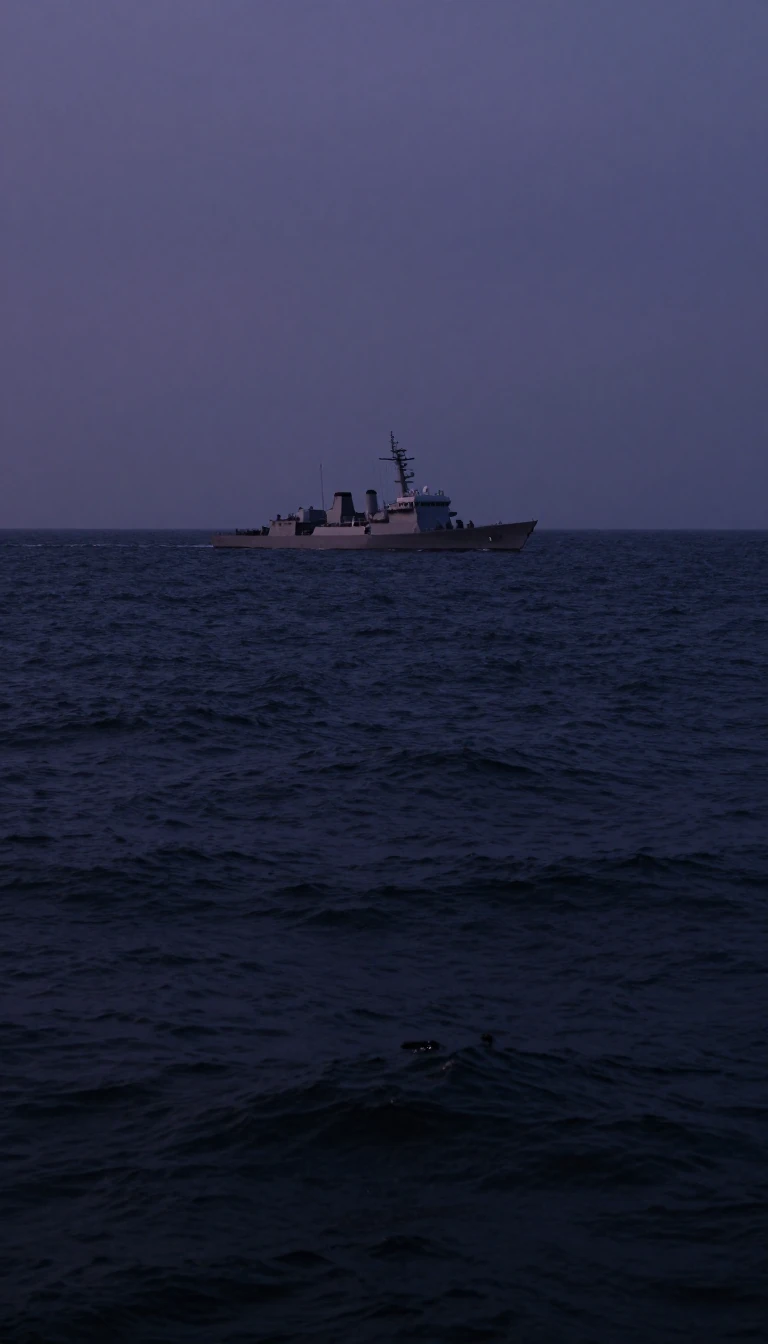
In short: During World War II, the British Royal Navy deployed a specialized class of small, high-speed vessels known as Motor Gunboats (MGBs). While their cousins, the Motor Torpedo Boats, relied on stealthy underwater strikes, MGBs were designed to close the distance and overwhelm enemies with a dense concentration of rapid-fire guns.
The MGB was defined by its role as a high-speed, heavily armed platform. While physically similar to Motor Torpedo Boats (MTBs), the MGB's primary offensive weapon was a mix of guns rather than torpedoes. This distinction allowed them to serve as versatile combatants in Coastal Forces. Because of their small size and high speeds—reaching up to 40 knots (67–74 km/h)—they were difficult targets for German E-boats. However, their small stature was a double-edged sword: in heavy weather, they lacked a stable enough platform to aim their guns effectively.
The evolution of the MGB saw a shift from 'short' to 'long' boats. Early models were based on anti-submarine boats between 63 and 70 feet in length. These were later superseded by 'long' boats like the Fairmile Type 'C' (110 feet) and the Type 'D' (approx. 200 built). These larger vessels could carry heavier armament, such as the QF 6-pounder gun and the versatile Vickers pom-pom. By 1945, some models like MGB 658 were equipped with multiple power-mounted turrets, including 20mm Oerlikon cannons and twin heavy machine guns.
Tactically, MGBs often worked in tandem with MTBs. In a coordinated maneuver, MGB flotillas would close stealthily with enemy shipping to attack from an unexpected quarter with their guns. This served as a distraction, drawing the attention of convoy escorts and allowing the MTBs to maneuver into position to launch torpedoes. Beyond offensive sweeps, the larger Type 'C' boats were frequently used for defensive convoy escort, the extraction of agents from occupied France, and interdicting supplies in the Mediterranean.
The legacy of the MGB extends into naval engineering history. In 1947, MGB 2009 became the world's first gas turbine-powered naval vessel after being fitted with a Metrovick gas turbine. Today, the only fully restored and operational Royal Navy Coastal Forces MGB from the war is MGB 81, which served at the Normandy landings before being renumbered as an MTB.
Opens the Intellect+ feed with this card first. Swipe up for the next one.
Sources
- Summary by Intellect · source: Motor gunboat
To cite this card, link to https://intellectplus.co.uk/app/science-motor-gunboat.
How we source, check and correct cards: Editorial standards.
General information, not professional advice. Spotted an error? Flag the card or see corrections and complaints.
Intellect Plus is a visual educational discovery platform for exploring fascinating facts and ideas. Brain Food, Not Brain Rot. What is Intellect Plus?
Related
More in Physics · More in Science · Latest · A–Z · All topics
