Scotland is the United Kingdom's most mountainous country
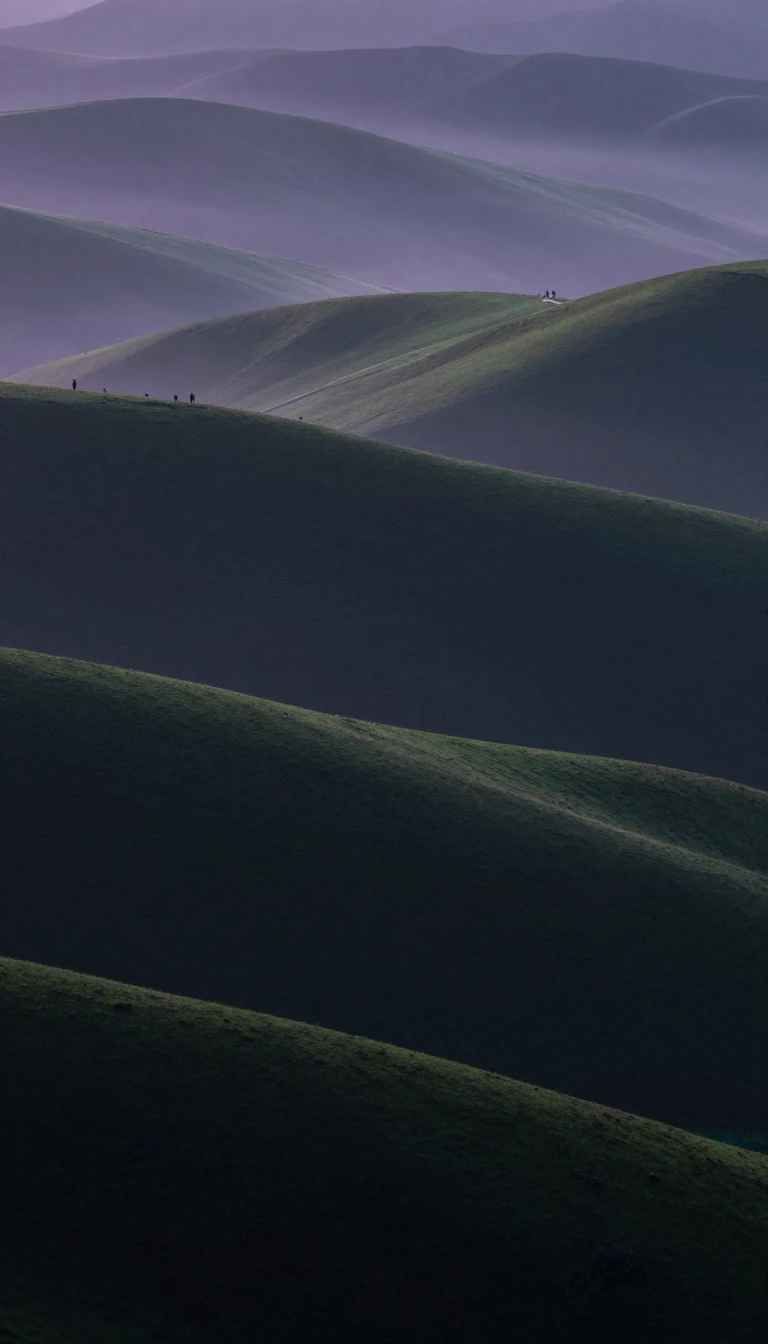
In short: From the jagged basalt of Skye to the ancient Lewisian Gneiss, Scotland’s landscape is a masterclass in geological diversity. While Ben Nevis stands as the nation's highest peak, the true complexity lies in its tiered classification system—a meticulous hierarchy designed by enthusiasts to categorize every rise and ridge.
Scotland's topography is broadly divided into three primary regions: the Highlands, the Central Belt, and the Southern Uplands. The Highlands contain the country's most significant mountain ranges, including the Grampian Mountains, which occupy nearly half of Scotland's land area. Within these highlands, the terrain varies from the 'very rough and steep' Northwest Highlands to the more varied eastern ranges like the Cairngorms and the Monadhliath.
The classification of Scottish peaks is a rigorous pursuit known as "hill bagging." The most prestigious category is the Munros—peaks exceeding 3,000 feet (914.4 meters). First compiled by Sir Hugh Munro in 1891, there are currently 282 Munros. Below these are the Corbetts (between 2,500 and 3,000 feet with at least 500 feet of relative height) and the Grahams (between 2,000 and 2,500 feet). The Lowlands also feature their own specific categories, such as the Donalds, which are hills over 2,000 feet.
Geologically, the landscape offers a timeline of Earth's history. Some peaks in the Northwest Highlands are composed of Lewisian Gneiss, one of the oldest rocks on the planet. In contrast, the Black Cuillin on the Isle of Skye is famous for its 'jagged outline' and steep cliffs formed from basalt and rough gabbro. This diversity makes Scotland a premier destination for mountaineering, with approximately 130,000 people climbing Ben Nevis annually.
Safety remains a critical consideration in this vertical landscape. While many hills are popular for rambling due to their proximity to cities, the high mountains present significant hazards; avalanches are cited as a primary cause of winter fatalities. This balance between accessible Lowland 'Laws' and the remote, technical terrain of the Highlands defines the Scottish mountaineering experience.
Opens the Intellect+ feed with this card first. Swipe up for the next one.
Sources
- Summary by Intellect · source: Mountains and hills of Scotland
To cite this card, link to https://intellectplus.co.uk/app/science-mountains-and-hills-of-scotland.
How we source, check and correct cards: Editorial standards.
General information, not professional advice. Spotted an error? Flag the card or see corrections and complaints.
Intellect Plus is a visual educational discovery platform for exploring fascinating facts and ideas. Brain Food, Not Brain Rot. What is Intellect Plus?
Related
More in Physics · More in Science · Latest · A–Z · All topics
