Neath: A Welsh market town with Roman secrets and an industrial legacy
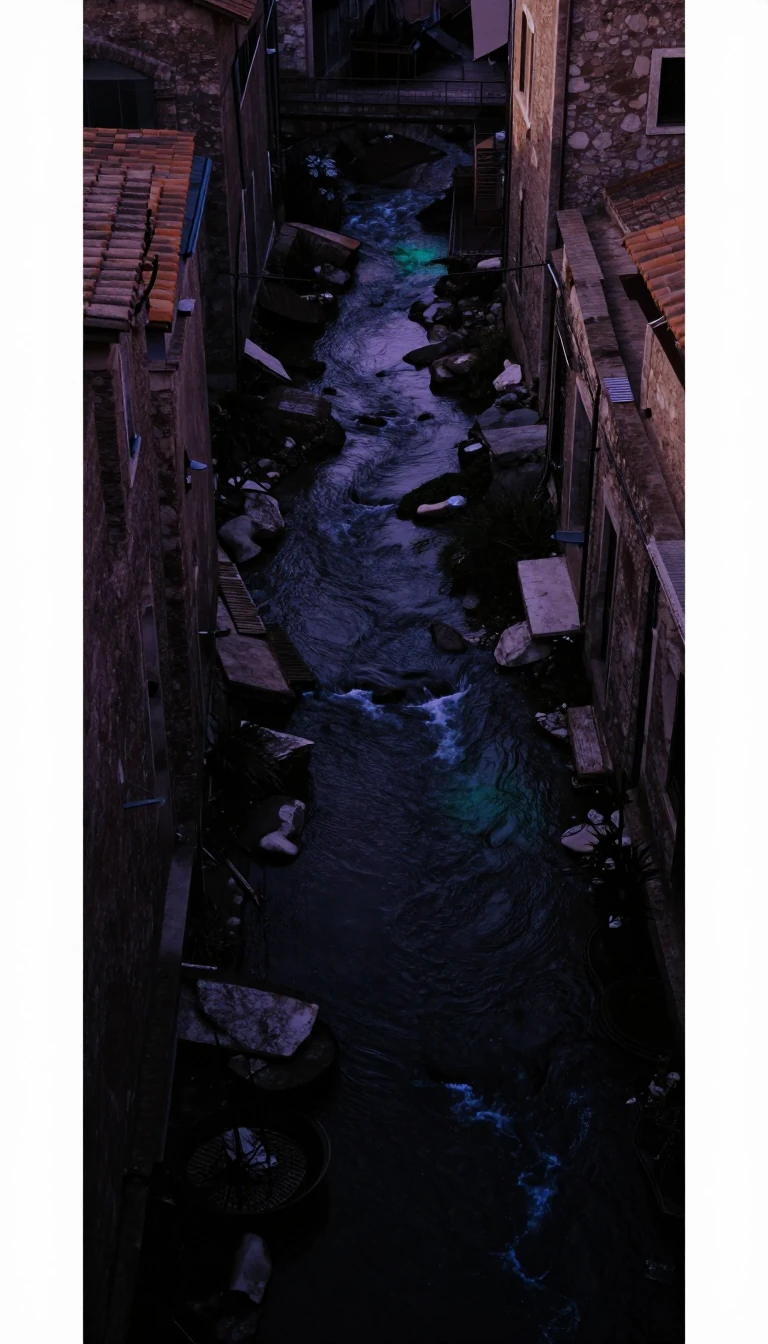
In short: Nestled on the River Neath, this Welsh town hides a unique Roman military history and a past defined by iron, steel, and coal. From ancient Celtic hill forts to the birthplace of the silica firebrick, Neath has evolved from a strategic Roman outpost into a modern commercial and tourism hub.
The town of Neath, known in Welsh as Castell-nedd, sits along the River Neath in the Neath Port Talbot County Borough. Its name likely stems from an ancient Celtic or Pre-Celtic root, possibly meaning 'shining' or 'brilliant', or perhaps simply 'river'. This etymology may link it to other locations like the River Nidd in Northern England. The area’s strategic value was recognized early, evidenced by surrounding Celtic hill forts and the Roman Auxiliary Fort established around 74 AD. Archaeological excavations at this site, much of which lies on the grounds of Dwr-y-Felin Comprehensive School, revealed unique gate-towers extending beyond the walls, a feature not seen elsewhere in Roman Britain.
The Roman presence at Neath was marked by significant fluctuations, reflecting the resistance of the native Silures. The fort was abandoned for fifteen years around 125 AD, and again for a century starting around 170 AD, before the final withdrawal occurred around 320 AD. During its active periods, the site supported a large marching camp capable of housing thousands of troops. By the 2nd century, the location was recorded as Nido or Nidum in the Antonine Itinerary. Later, the area saw the establishment of a settlement by St Illtyd, and the construction of a Norman castle that attracted visits from English monarchs including Henry II, John, and Edward I.
Neath’s transformation into an industrial powerhouse began in the 18th century. The town became a center for iron, steel, and tinplate manufacturing, supported by extensive coal mining in the nearby valleys. Key figures such as the Mackworth, Evans, and Bevan families drove this development, while William Weston Young revolutionized local industry by inventing the blast furnace silica firebrick. Although heavy industry has since faded, the town remains a site of historical interest, home to the ruins of the Cistercian Neath Abbey and the Gnoll Estate, which was central to the region's industrial growth.
Opens the Intellect+ feed with this card first. Swipe up for the next one.
Sources
- Summary by Intellect · source: Neath
To cite this card, link to https://intellectplus.co.uk/app/science-neath.
How we source, check and correct cards: Editorial standards.
General information, not professional advice. Spotted an error? Flag the card or see corrections and complaints.
Intellect Plus is a visual educational discovery platform for exploring fascinating facts and ideas. Brain Food, Not Brain Rot. What is Intellect Plus?
Related
More in Physics · More in Science · Latest · A–Z · All topics
