The vast majority of your DNA does not build proteins, but it is not junk.
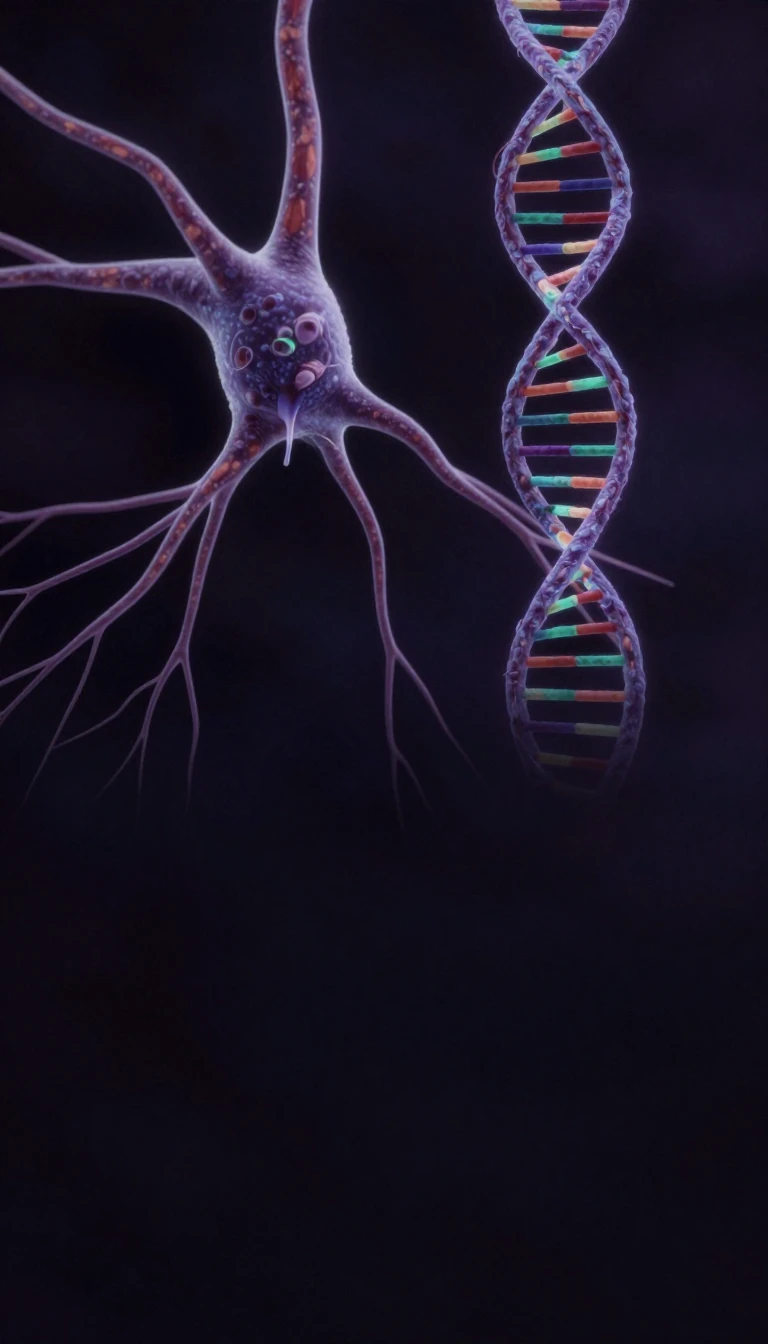
In short: For decades, scientists dismissed the 98 percent of the human genome that does not code for proteins as junk DNA. Today, we know this vast expanse is far from useless. It acts as a sophisticated control center, regulating gene expression and maintaining the essential structural integrity of our chromosomes.
The human genome is a massive sequence of approximately 3.3 billion nucleotides. Only about 1 to 2 percent of this genetic material provides the direct instructions for building proteins. For years, the remaining 98 to 99 percent was labeled as junk, assumed to be evolutionary debris with no biological purpose. This perspective has shifted dramatically as researchers have uncovered the complex roles these regions play in cellular function.
Noncoding DNA serves as a critical regulatory network. It contains sequences such as promoters, enhancers, silencers, and insulators that dictate when, where, and how much of a specific protein is produced. These elements act as docking sites for transcription factors, which either activate or repress the conversion of genetic information into proteins. Without this precise control, cells could not function correctly, and mutations in these regulatory regions are now linked to various human diseases.
Beyond regulation, noncoding DNA provides essential structural support. Telomeres, the repetitive sequences at the ends of chromosomes, protect them from degradation during replication, much like the plastic tips on shoelaces. Other regions form the centromere, the constriction point of chromosomes, and heterochromatin, which maintains chromosome structure. Furthermore, noncoding DNA produces specialized RNA molecules, such as microRNAs and long noncoding RNAs, which play diverse roles in gene regulation and protein assembly.
While the scientific consensus confirms that noncoding DNA is functional, the exact extent of this functionality remains a subject of intense debate. Estimates of how much of the genome is biologically active vary wildly, ranging from as low as 8 percent to as high as 80 percent. As genomic medicine advances, mapping these hidden regions is becoming vital for understanding the full scope of human biology and disease.
Opens the Intellect+ feed with this card first. Swipe up for the next one.
Sources
- Summary by Intellect · source: What is noncoding DNA?: MedlinePlus Genetics
- Also: Non-coding DNA — Knowledge Hub
- Also: Non-coding DNA
- Also: Non-Coding DNA
To cite this card, link to https://intellectplus.co.uk/app/science-non-coding-dna.
How we source, check and correct cards: Editorial standards.
General information, not professional advice. Spotted an error? Flag the card or see corrections and complaints.
Intellect Plus is a visual educational discovery platform for exploring fascinating facts and ideas. Brain Food, Not Brain Rot. What is Intellect Plus?
Related
More in Genetics and molecular biology · More in Science · Latest · A–Z · All topics
