Your proteins are not finished when they leave the ribosome; they are just beginning.
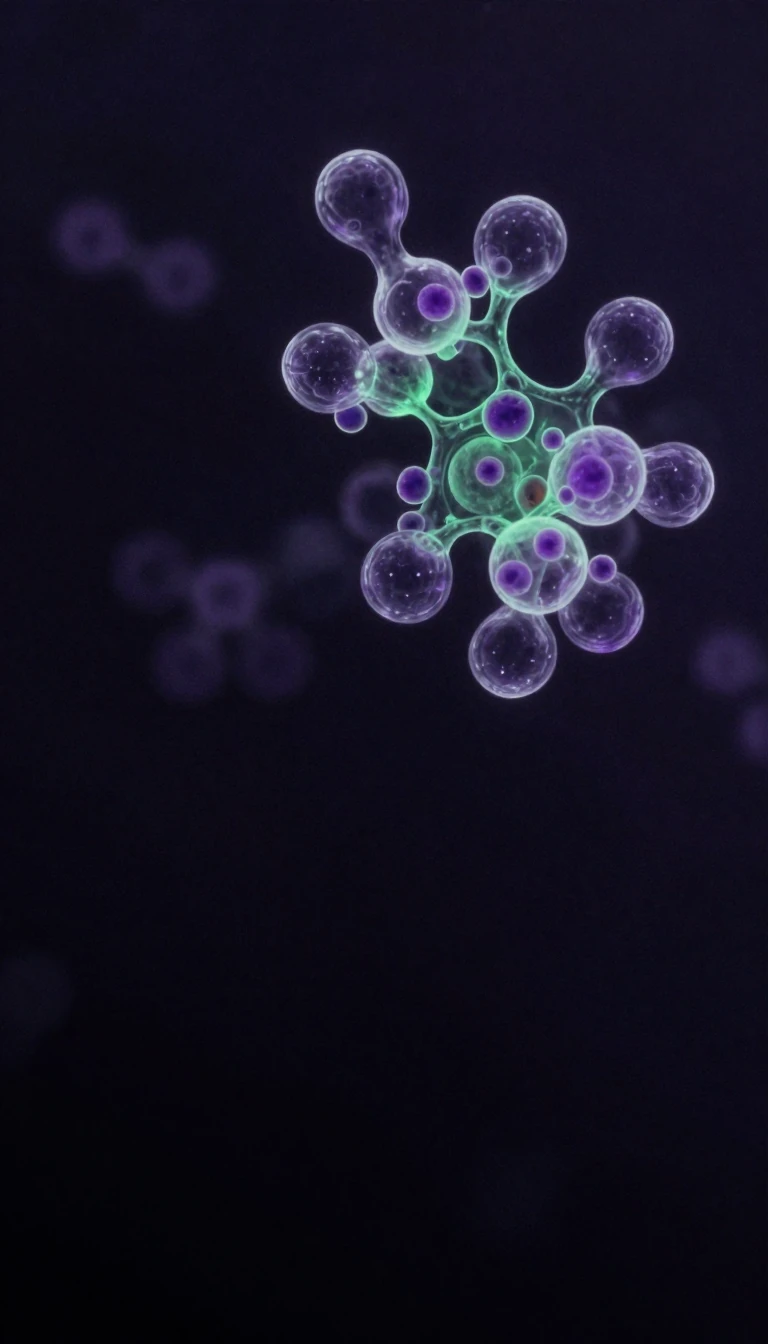
In short: After proteins are synthesized, they undergo post-translational modifications—covalent edits that diversify their function far beyond the genetic code. From adding lipids to attaching sugars, these precise chemical adjustments act as a secondary language, controlling everything from cell signaling and gene expression to the structural integrity of your tissues.
Post-translational modifications (PTMs) represent a sophisticated layer of biological regulation that occurs after a protein has been released from the ribosome. While the genetic code dictates the initial sequence of amino acids, PTMs allow cells to expand the chemical repertoire of these proteins, enabling them to adapt to diverse physiological demands. As of 2023, scientists have identified more than 650 distinct types of PTMs, ranging from the simple addition of a phosphate group to the complex attachment of lipid molecules or carbohydrates.
These modifications are not merely decorative; they are functional switches. For example, phosphorylation is widely recognized as the most common PTM, serving as a critical mechanism for controlling enzyme activity. Other modifications, such as S-acylation, precisely govern how proteins interact with cell membranes, while methylation of histones and DNA acts as a master regulator of gene expression. In the case of the 'tubulin code,' specific modifications on tubulin subunits dictate the dynamic properties of microtubules, which are essential for the structural and functional health of various tissues.
The importance of these processes is underscored by their role in human health and disease. Dysregulation of PTMs is frequently implicated in cancer, neurodegenerative disorders, and developmental issues. Because these modifications are often reversible—governed by enzymes like deubiquitylating enzymes (DUBs) or deacetylases—they have become prime targets for therapeutic intervention. Researchers are currently testing inhibitors of arginine methylation and other PTM-regulating enzymes in clinical trials, hoping to correct the molecular errors that drive disease progression.
Ultimately, PTMs demonstrate that life is not a static readout of DNA. Through mechanisms like liquid-liquid phase separation or the assembly of nuclear bodies, PTMs allow cells to respond dynamically to metabolic states and environmental stress. By editing proteins in real-time, the cell maintains a precise, responsive, and highly complex internal environment that is essential for life.
Opens the Intellect+ feed with this card first. Swipe up for the next one.
Sources
- Summary by Intellect · source: Post-translational modifications
- Also: Post-translational modification
To cite this card, link to https://intellectplus.co.uk/app/science-post-translational-modification.
How we source, check and correct cards: Editorial standards.
General information, not professional advice. Spotted an error? Flag the card or see corrections and complaints.
Intellect Plus is a visual educational discovery platform for exploring fascinating facts and ideas. Brain Food, Not Brain Rot. What is Intellect Plus?
Related
More in Genetics and molecular biology · More in Science · Latest · A–Z · All topics
