 Intellect Plus
Genetics and molecular biology
53 cards. Each one is a 40-second story with a five-minute read behind it.
 How a monk's garden and a mathematician's grid decoded inheritanceBefore we understood DNA, an Austrian monk discovered the hidden rules of heredity by simply watching peas grow. His work laid the foundation for modern genetics, eventually leadi…
 The fundamental blueprint of life decoded at the molecular levelThis introductory video provides a concise overview of molecular genetics, establishing the foundational principles required to understand how biological information is stored and…
 The difference between genetics and molecular biology is scaleWhile they are often used interchangeably, these two fields look at life through different lenses. One focuses on the blueprint of heredity, while the other zooms in on the micros…
 The biological blueprint: decoding the mechanics of your genetic identityThis video provides a comprehensive overview of genetics, distilling complex molecular biology into a clear, accessible guide. It explains the fundamental processes that determine…
 The molecular machinery that builds and regulates every living cellLife is not just a series of biological events; it is a complex chemical dialogue. Molecular biology uncovers the precise interactions between DNA, RNA, and proteins. By studying …
 The molecular machinery that powers life and modern medicineFrom the extreme heat of Yellowstone's hot pools to the cutting edge of biotechnology, molecular biology decodes the instructions of life. By studying the composition and interact…
 The unidirectional flow of life's sequential informationHow does a cell know how to build a body? The answer lies in the central dogma, a fundamental principle describing how biological instructions move from one molecule to another. I…
 Your body reads a living archive to build itself from scratchEvery cell in your body contains the same genetic manual, yet they perform vastly different roles. To do this, cells must navigate a complex two-stage relay system that converts s…
 When chromosomes swap pieces, the results can be life-saving or life-threateningChromosomal translocation occurs when genetic material breaks away from its original home and attaches to a different chromosome. While these structural rearrangements are sometim…
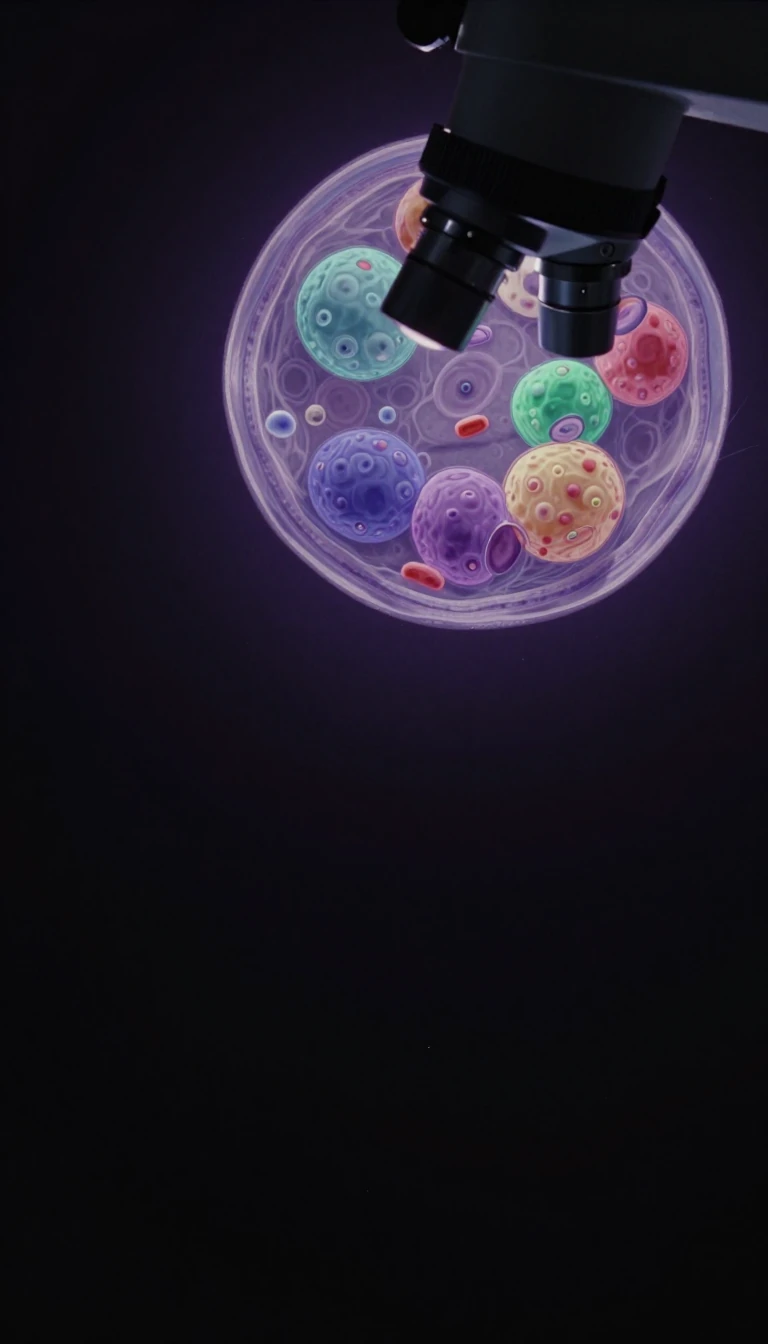 Cloning vectors are the microscopic delivery trucks that make modern genetic engineering possibleTo clone a gene, you need a vehicle to carry it into a host cell. These vehicles, known as cloning vectors, are specialized DNA molecules that act as molecular delivery trucks. Fr…
 Why scientists rewrite the book of life using synthetic copy DNATo mass-produce proteins like insulin, researchers do not just copy genes; they rewrite them. By using an enzyme to turn messenger RNA back into synthetic DNA, they create a strea…
 DNA ligase is the essential molecular glue that keeps our genetic code from unraveling.Without DNA ligase, the blueprint of life would be a collection of broken fragments. This remarkable enzyme acts as a biological adhesive, sealing breaks in the double helix to en…
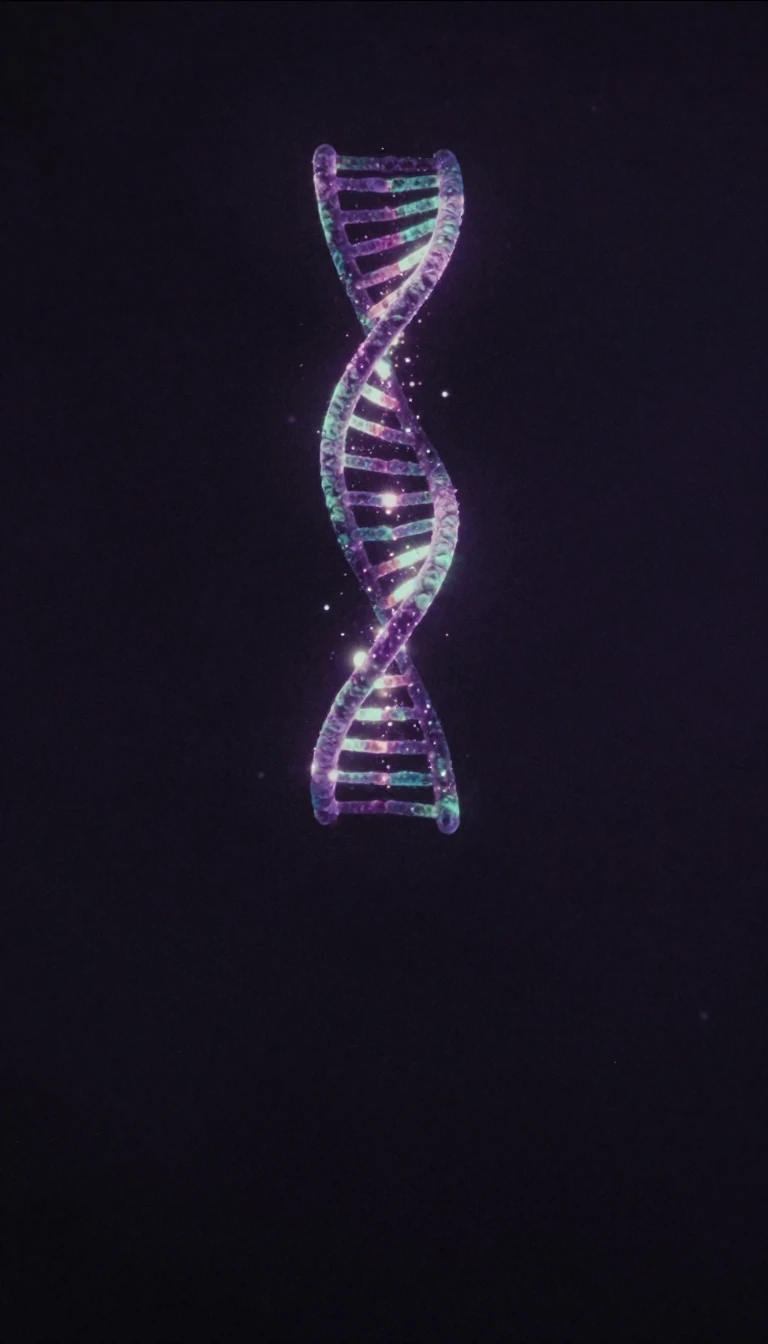 Your cells perform thousands of emergency repairs every single day to save your genomeEvery day, your DNA faces a barrage of chemical accidents and radiation damage. Without constant, high-speed repair mechanisms, your genetic code would rapidly degrade, leading to…
 The hidden genetic switches that control your biology from hundreds of thousands of miles awayDeep within your genome lie thousands of tiny DNA regions called enhancers. Despite being located far from the genes they control, these switches dictate when and where your cells…
- Your DNA is not your destiny: how the epigenome controls your biological softwareWhile your genome provides the static blueprint of your life, the epigenome acts as the dynamic conductor. These chemical markers sit above your DNA, dictating when and where gene…
- Your DNA is not your destiny: how chemical tags rewrite the rules of lifeYour genome is a static blueprint, but your epigenome is a dynamic control panel. By decorating DNA with chemical markers, cells can silence or activate genes without altering the…
- Why your genetic code is a fragmented puzzle waiting to be reassembledYou might think your DNA is a continuous instruction manual for building you. In reality, it is a scattered collection of vital segments called exons, separated by vast stretches …
- How scientists hijack cellular machinery to manufacture life-saving proteins and transgenic organismsAn expression vector is a specialized genetic construct—usually a plasmid or virus—designed to commandeer a host cell's protein synthesis machinery. By inserting specific genes in…
- Your DNA is not just in your nucleus: the hidden inheritance of your mitochondriaMost of your genetic code lives in the nucleus, but a vital portion resides elsewhere. Extranuclear inheritance describes how genes outside the nucleus, found in organelles like m…
 Why some traits defy Mendel: The discovery of genetic linkage in pea plantsIn 1905, geneticists noticed that certain traits in pea plants were inherited together far more often than chance allowed. This defied Gregor Mendel’s famous law of independent as…
- How your cells constantly rewrite their own genetic code to survive and evolveGenetic recombination is not just a driver of evolution; it is a vital cellular repair mechanism. By swapping DNA segments between chromosomes, cells fix broken strands and preven…
- Genomics moves beyond individual genes to map the entire blueprint of living organismsWhile genetics focuses on single genes and their inheritance, genomics examines the complete set of genetic material within an organism. By sequencing billions of nucleotide pairs…
 Why your genetic code is not the same thing as your physical appearanceYour genotype is the complete set of genetic material you carry, but it does not dictate your life in a straight line. While some traits follow strict Mendelian patterns, others a…
- Helicases are the molecular motors that unzip the blueprint of life itself.Every living organism relies on helicases, specialized enzymes that act as microscopic motors to pry apart the tightly wound strands of DNA and RNA. By consuming ATP, these protei…
 Heritability measures population differences, not the genetic makeup of a single individualIt is a common mistake to think heritability tells you how much of your personality or height is inherited from your parents. In reality, this statistical concept describes how mu…
 Why hybrid offspring often outperform their parents in growth, fertility, and overall robustness.Heterosis, or hybrid vigor, describes the surprising phenomenon where crossbred offspring exceed both parents in biological quality. While farmers use this to boost crop yields an…
- Your cells use a precise molecular copy-paste to fix broken DNA strandsWhen DNA suffers a double-strand break, the consequences can be catastrophic, leading to genomic instability or cancer. To survive, cells employ homologous recombination, a sophis…
- Why your genetic code is filled with massive amounts of seemingly useless junk DNAFor decades, biologists believed genes were continuous blueprints for proteins. Then, in the 1970s, researchers discovered that our genetic code is actually interrupted by long, n…
- Metagenomics lets us decode entire microbial communities without needing to grow them in labs.Traditional microbiology relies on culturing individual species, but most microbes refuse to grow in a lab. Metagenomics bypasses this by extracting DNA directly from environmenta…
- MicroRNAs are tiny genetic switches that control the activity of thousands of human genes.Long dismissed as mere biological noise, microRNAs are actually sophisticated regulators of gene expression. These small non-coding RNA molecules, typically 22 nucleotides long, a…
- Your DNA is a living archive, recording evolutionary history through its own changing structure.Molecular evolution tracks how DNA sequences change over time, turning the genome into a biological clock. By comparing genes across species, scientists can reconstruct the histor…
- How molecular genetics unlocked the secret of our cholesterol and the blueprint of lifeMolecular genetics bridges the gap between abstract inheritance and physical biology. By studying how DNA structures dictate life processes, researchers have moved from identifyin…
- Are mutagens always dangerous, or can our cells handle low-level exposure?A mutagen is any physical or chemical agent that permanently alters DNA, pushing mutation rates above natural background levels. While often linked to cancer, the relationship is …
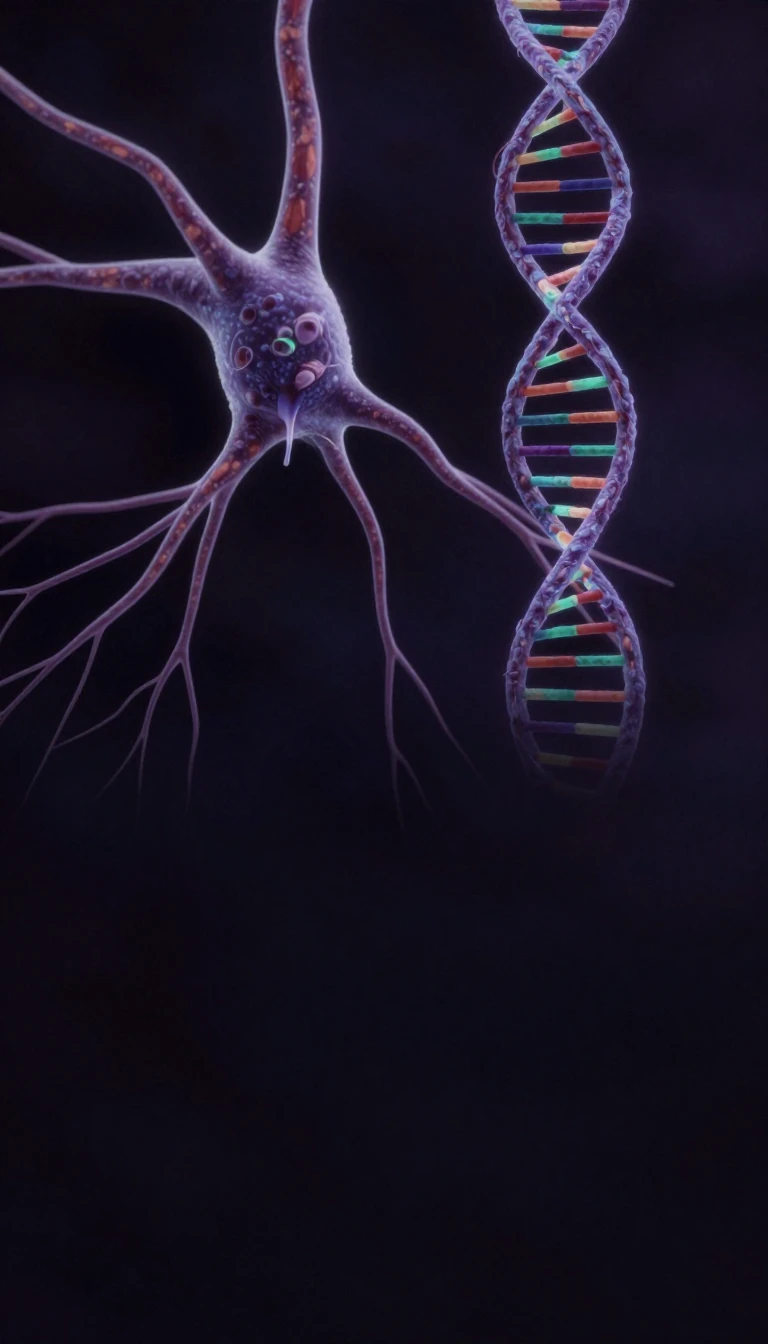 The vast majority of your DNA does not build proteins, but it is not junk.For decades, scientists dismissed the 98 percent of the human genome that does not code for proteins as junk DNA. Today, we know this vast expanse is far from useless. It acts as …
- Beyond the protein blueprint: the vast, mysterious world of non-coding RNAFor decades, biology focused on proteins as the primary workers of the cell. Yet, we now know that a massive portion of our genome produces RNA that never becomes protein. These n…
 Why having a disease-causing gene variant does not guarantee you will get sickIn genetics, the presence of a specific mutation does not always dictate your health outcome. This concept, known as penetrance, measures the proportion of people with a particula…
- A single DNA base change can be silent or completely rewrite a protein's function.A point mutation is a subtle genetic error where one base pair in DNA is swapped, added, or deleted. While often caused by replication mistakes or radiation, these tiny shifts can…
 Your proteins are not finished when they leave the ribosome; they are just beginning.After proteins are synthesized, they undergo post-translational modifications—covalent edits that diversify their function far beyond the genetic code. From adding lipids to attac…
 The genetic switch: how DNA decides which genes to turn on or offA promoter is the essential control center of your DNA. By acting as a landing pad for RNA polymerase, these specialized segments determine exactly when and where a gene is activa…
 Why your height and health are more than just a simple genetic codeMost traits like height or longevity do not follow simple Mendelian rules. Instead, they are complex, polygenic, and influenced by the environment. Quantitative genetics uses stat…
- Your DNA is not a fixed script but a dynamic, editable molecular libraryCells do not simply read their genes; they actively curate them. Through complex mechanisms like chromatin remodeling and epigenetic tagging, your body decides which genes to sile…
 Reverse genetics flips the script on biology by starting with genes, not traits.Traditional genetics begins with an observable trait and hunts for the responsible gene. Reverse genetics does the opposite: it starts with a specific genetic sequence and enginee…
- Reverse transcriptase defies the central dogma by turning viral RNA into host DNAFor decades, biology followed a strict one-way street: DNA becomes RNA, which becomes protein. This central dogma was challenged by the discovery of reverse transcriptase, an enzy…
- A cellular defense mechanism against viruses has become a powerful tool for genetic research.Cells possess a sophisticated internal surveillance system that identifies and destroys foreign genetic material. Known as RNA interference, this process uses double-stranded RNA …
- RNA polymerase is the molecular machine that translates your genetic code into living reality.Every cell in your body relies on RNA polymerase to transcribe DNA into the instructions needed for life. This sophisticated enzyme does more than just copy genetic sequences; it …
- Your genes are not linear blueprints but complex mosaics that require constant editing.Most eukaryotic genes are not simple, continuous instructions. Instead, they are fragmented mosaics of coding exons and non-coding introns. To function, cells must perform RNA spl…
 Why your sex determines how you inherit certain traits, from eyes to bloodSex linkage reveals why genes on X and Y chromosomes follow unique inheritance patterns. Because these chromosomes are not homologous, males often express recessive traits that fe…
- Telomeres act as biological aglets, protecting your genetic code from unraveling every single day.Think of your chromosomes like shoelaces. At the ends, you have telomeres—specialized caps that prevent your DNA from fraying or fusing together. As your cells divide, these caps …
- How cells know when to stop reading their own genetic codeTranscription is the process of copying DNA into RNA, but it must have a clear end point to function. Without specific terminator sequences, cells would waste energy on runaway tr…
- Your genome is static, but your transcriptome is a dynamic map of active life.While your DNA sequence remains largely fixed, your transcriptome is a constantly shifting landscape of RNA molecules. It captures the precise state of gene expression in your cel…
- Jumping genes: The mobile DNA sequences that rewrite the blueprint of lifeOnce dismissed as genetic noise, transposable elements are now known to be ubiquitous architects of the genome. These jumping genes move across DNA, driving evolution and genetic …
- The tiny protein tag that decides whether your cells live or dieUbiquitin is a small, highly conserved protein that acts as a cellular master regulator. By attaching itself to other proteins, it dictates their fate—whether they should be trans…
 Zygosity: The Genetic Yoke That Determines How Your Traits Are ExpressedZygosity describes the similarity between the two alleles you inherit from your parents. Whether you are homozygous, heterozygous, hemizygous, or nullizygous depends on whether th…