Are clones truly identical, or does the environment shape them into something entirely new?
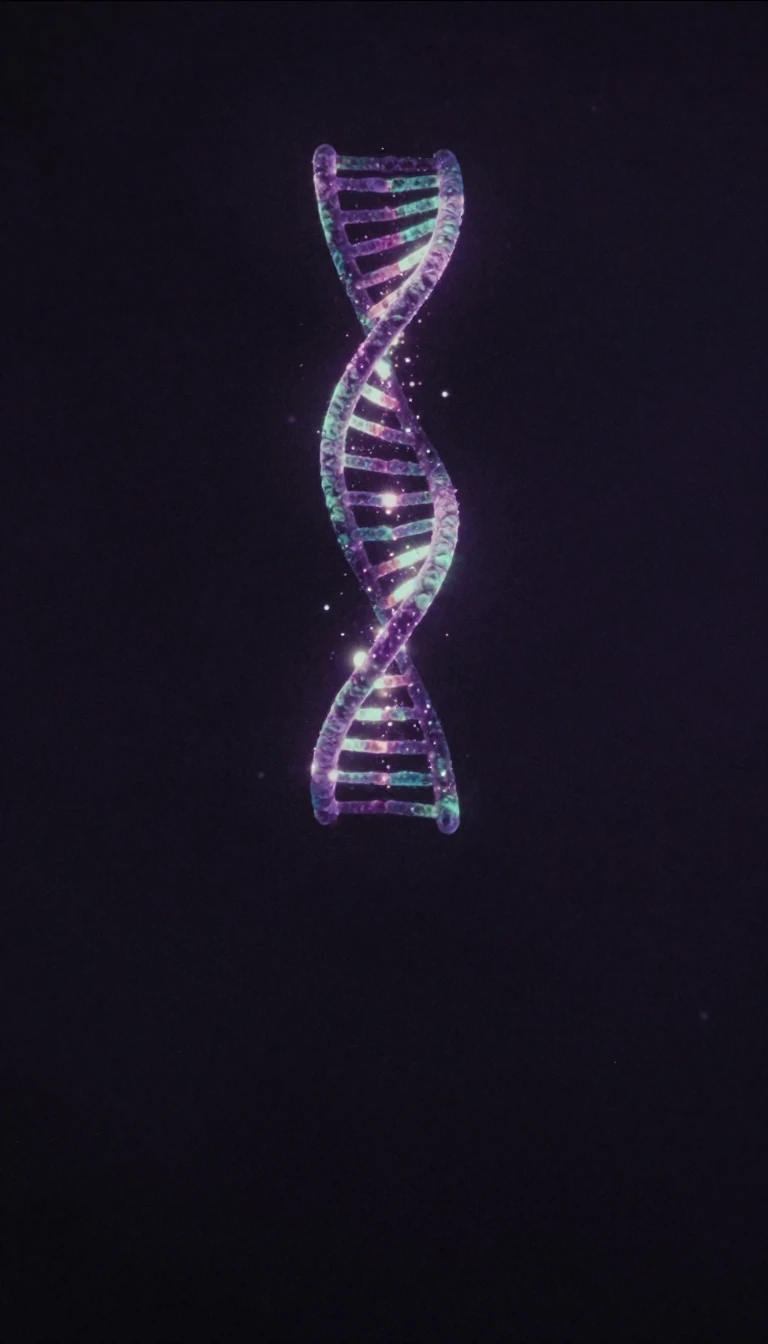
In short: Offspring are the biological legacy of their parents, created through sexual reproduction, artificial insemination, or cloning. While we often think of clones as exact replicas, the reality is more nuanced. Beyond the DNA, environmental factors and epigenetic changes ensure that even a genetic duplicate develops into a unique individual.
At the core of sexual reproduction lies the F1 generation, which inherits genetic material equally from both parents. This process relies on meiosis, where chromosomes from the mother and father undergo crossing over, splitting and recombining to form a new genotype. The sex of the resulting offspring is determined by the male contribution; while females always provide an X chromosome, the male provides either an X or a Y. An XY combination results in a male, while an XX combination results in a female.
Cloning, by contrast, involves creating a genetic duplicate by removing the nucleus from an egg and replacing it with the parent's genetic material. A common misconception is that this produces a perfect copy of the original organism. In practice, the clone is only a genetic duplicate. Because the clone grows in different surroundings and encounters unique experiences compared to the parent, epigenetic changes occur, leading to differences in development and behavior. This highlights that DNA is not the sole architect of an organism's identity.
The process of DNA replication is essential for survival, yet it is not infallible. Mutations can occur during cell division, leading to permanent changes in an organism's genetic code. While some mutations drive evolution by introducing beneficial variation, most are detrimental, potentially harming the species by altering genotypes in ways that reduce fitness. These genetic shifts, whether through the shuffling of parental genes or random mutations, ensure that the biological landscape remains in a constant state of flux, balancing the continuity of inheritance with the necessity of change.
Opens the Intellect+ feed with this card first. Swipe up for the next one.
Sources
- Summary by Intellect · source: Offspring
To cite this card, link to https://intellectplus.co.uk/app/science-offspring.
How we source, check and correct cards: Editorial standards.
General information, not professional advice. Spotted an error? Flag the card or see corrections and complaints.
Intellect Plus is a visual educational discovery platform for exploring fascinating facts and ideas. Brain Food, Not Brain Rot. What is Intellect Plus?
Related
More in Biological processes and physiology · More in Science · Latest · A–Z · All topics
