How every living thing manages the delicate balance of salt and water inside them
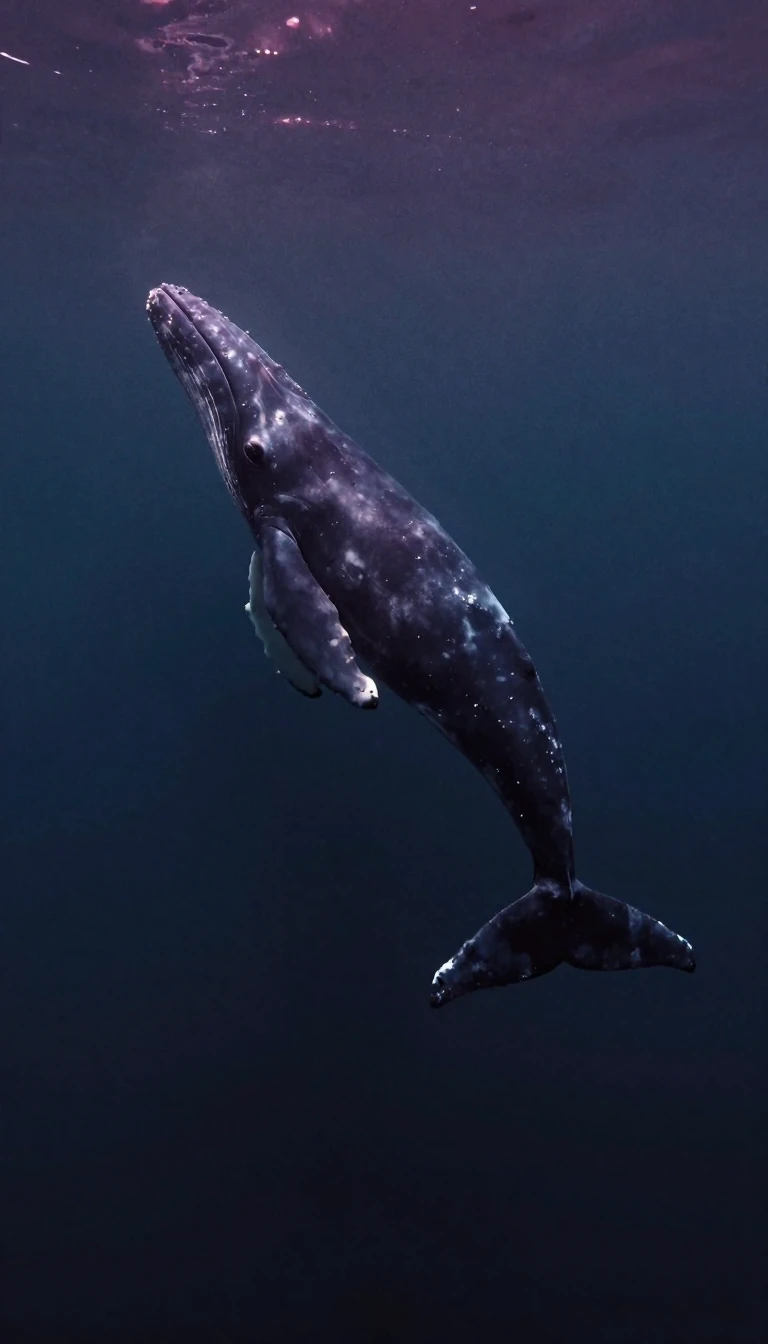
In short: Life depends on maintaining a precise internal environment. Whether you are a microscopic bacterium, a desert cactus, or a deep-sea shark, you must constantly fight to keep your body fluids from becoming too diluted or too concentrated. This essential biological process is called osmoregulation, and it is a constant struggle.
Osmoregulation is the active process of controlling osmotic pressure to maintain homeostasis. Because water naturally moves toward higher concentrations of solutes, organisms must constantly regulate their internal salt and water levels to prevent cellular damage. This is achieved through various mechanisms, such as excretion of metabolic wastes and specialized physiological adaptations. Animals generally maintain an osmotic steady state, though they may experience minor fluctuations throughout the day.
Strategies for survival vary wildly across the tree of life. Osmoregulators, such as freshwater fish, actively control their internal salt levels despite their environment, often excreting dilute urine to expel excess water. In contrast, osmoconformers, like most marine invertebrates, match their internal osmolarity to their surroundings. Some species, known as euryhaline, possess the remarkable ability to adapt to a wide range of salinities, while stenohaline species are restricted to specific environments. Sharks employ a unique chemical strategy, retaining urea in their blood to maintain an osmotic concentration higher than seawater, while using trimethylamine oxide to protect their tissues from urea's toxicity.
Plants and microorganisms face similar challenges but use different tools. Plants lack dedicated osmoregulatory organs, relying instead on stomata to manage water loss and vacuoles to regulate cellular solute concentrations. Xerophytes, like cacti, store water in parenchyma tissues, while halophytes living in salty soils actively accumulate salts in their roots to draw in water. Even bacteria respond to osmotic stress by synthesizing protective solutes or activating specific gene-regulated transport systems. In humans, the kidneys are the primary regulators, using hormones like antidiuretic hormone to adjust water reabsorption, ensuring that our internal fluid balance remains within a narrow, life-sustaining range.
Opens the Intellect+ feed with this card first. Swipe up for the next one.
Sources
- Summary by Intellect · source: Osmoregulation
To cite this card, link to https://intellectplus.co.uk/app/science-osmoregulation.
How we source, check and correct cards: Editorial standards.
General information, not professional advice. Spotted an error? Flag the card or see corrections and complaints.
Intellect Plus is a visual educational discovery platform for exploring fascinating facts and ideas. Brain Food, Not Brain Rot. What is Intellect Plus?
Related
More in Biological processes and physiology · More in Science · Latest · A–Z · All topics
