How plants use hormones to bend toward the light
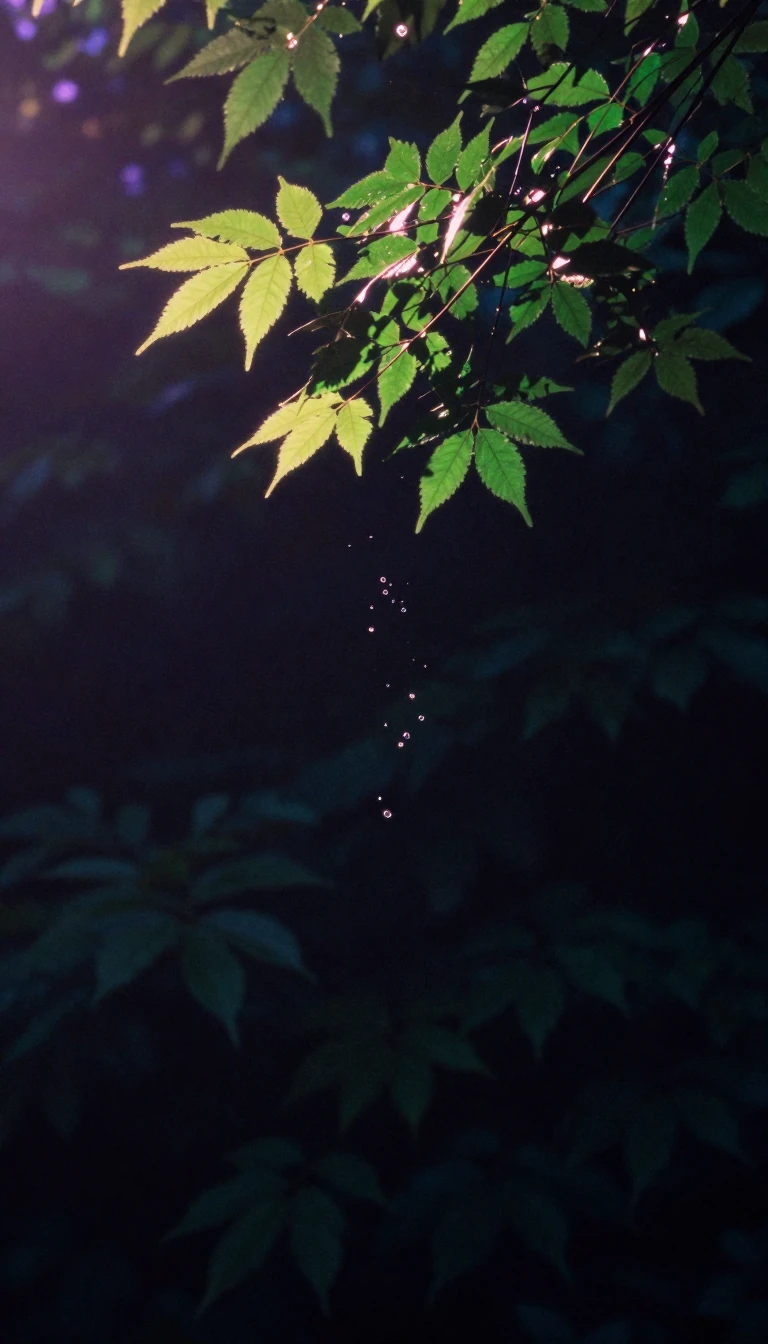
In short: When a seedling emerges from the soil, it must navigate a world of shadows and sun. Through a sophisticated chemical process, plants sense light direction and physically reshape themselves, using a single hormone to drive the mechanical movement that powers photosynthesis.
The process of phototropism—directional growth in response to light—is driven by the distribution of a hormone called auxin. Produced in the plant's shoot tip, or coleoptile, auxin moves downward through the stem. When light hits the plant from one side, auxin accumulates on the shaded side. This uneven distribution is the fundamental mechanism behind the plant's ability to curve.
The cellular mechanics of this bend are remarkably complex. The Cholodny–Went hypothesis, formulated during the early 1900s, suggests that proton pumps are triggered by elevated auxin levels on the shaded side. This activity decreases the pH within those cells, triggering enzymes called expansins to disrupt hydrogen bonds in the cell walls. As the cell walls become less rigid, increased solute concentration draws water into the cells via an osmotic gradient.
This influx of water increases turgor pressure. Once this pressure exceeds a specific yield threshold, the cells on the shaded side swell and elongate more than those on the illuminated side. This differential growth physically forces the stem to bend toward the light source. While most shoots exhibit positive phototropism to maximize energy, some vine tips demonstrate negative phototropism, growing away from light to find dark, solid objects to climb.
This movement is part of a broader suite of tropisms. While phototropism responds to light, plants also navigate gravity through geotropism, water through hydrotropism, and mechanical stimulation through thigmotropism. Together, these responses ensure the plant's structural integrity and survival.
Opens the Intellect+ feed with this card first. Swipe up for the next one.
Sources
- Summary by Intellect · source: Phototropism | biology | Britannica
- Also: Phototropism
To cite this card, link to https://intellectplus.co.uk/app/science-phototropism.
How we source, check and correct cards: Editorial standards.
General information, not professional advice. Spotted an error? Flag the card or see corrections and complaints.
Intellect Plus is a visual educational discovery platform for exploring fascinating facts and ideas. Brain Food, Not Brain Rot. What is Intellect Plus?
Related
More in Light · More in Science · Latest · A–Z · All topics
