Polyphenols are nature's versatile chemical toolkit, powering everything from plant defense to leather tanning.
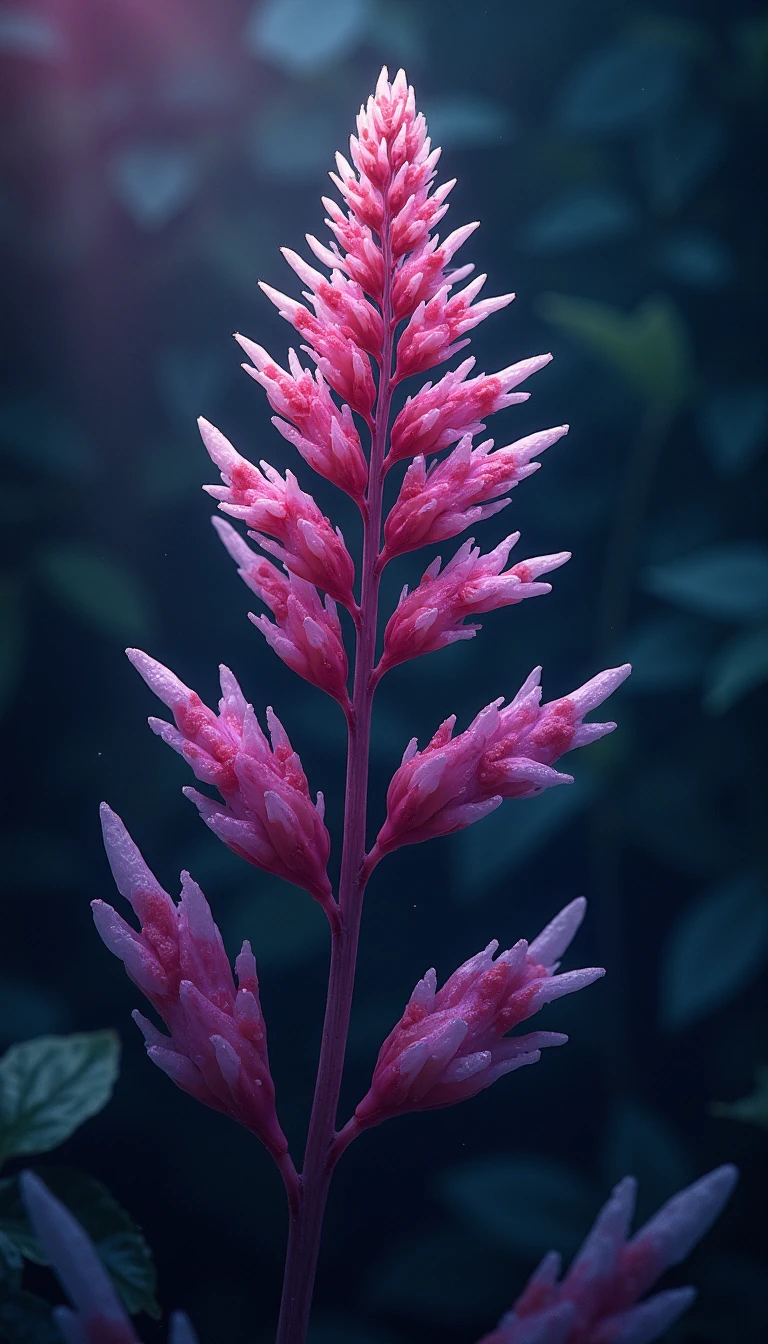
In short: Abundant in plants and essential to their survival, polyphenols are a massive family of compounds that act as everything from UV screens to growth regulators. Beyond their ecological roles, these reactive molecules have been harnessed by humans for centuries, serving as traditional dyes, photographic developers, and sustainable industrial precursors.
Polyphenols are a diverse group of naturally occurring phenols, defined by the presence of multiple hydroxyl groups on aromatic rings. While the term has been in use since 1894, defining them precisely remains a subject of scientific nuance. The traditional White–Bate-Smith–Swain–Haslam (WBSSH) definition focuses on plant phenolics historically used for tanning, whereas the more modern Quideau definition classifies them based on their biosynthetic pathways, specifically excluding nitrogen-based functions. Molecules like ellagic acid illustrate this complexity; it fails the WBSSH criteria but qualifies under the Quideau framework, while complex structures like raspberry ellagitannin meet both.
In the natural world, these compounds are vital to plant ecology. They function as chemical armor, deterring herbivores, preventing microbial infections, and acting as UV screens to protect against ionizing radiation. They also influence growth by modulating hormones like auxin and serve as signaling molecules during ripening. Beyond plants, polyphenols are found in animals, such as insects and crustaceans, where they facilitate epicuticle hardening—a process known as sclerotization—through the activity of polyphenol oxidase.
Humanity has long exploited the reactive nature of these molecules. Because they are highly reactive toward oxidation, they are frequently studied as antioxidants in vitro, though quantifying them is challenging due to the lack of universal standards. Historically, their ability to bind with proteins made them essential for tanning leather and dyeing fabrics. Today, researchers are exploring their potential as green, renewable precursors for plastics, resins, and adhesives, aiming to repurpose agricultural residues like grape pomace or pecan shells. Whether through their role in forest nutrient cycles or their promise in sustainable chemistry, polyphenols remain a cornerstone of both biological function and material innovation.
Opens the Intellect+ feed with this card first. Swipe up for the next one.
Sources
- Summary by Intellect · source: Polyphenol
To cite this card, link to https://intellectplus.co.uk/app/science-polyphenol.
How we source, check and correct cards: Editorial standards.
General information, not professional advice. Spotted an error? Flag the card or see corrections and complaints.
Intellect Plus is a visual educational discovery platform for exploring fascinating facts and ideas. Brain Food, Not Brain Rot. What is Intellect Plus?
Related
More in Organic compounds · More in Science · Latest · A–Z · All topics
