Why this versatile synthetic polymer is essential for everything from medicine to 3D printing
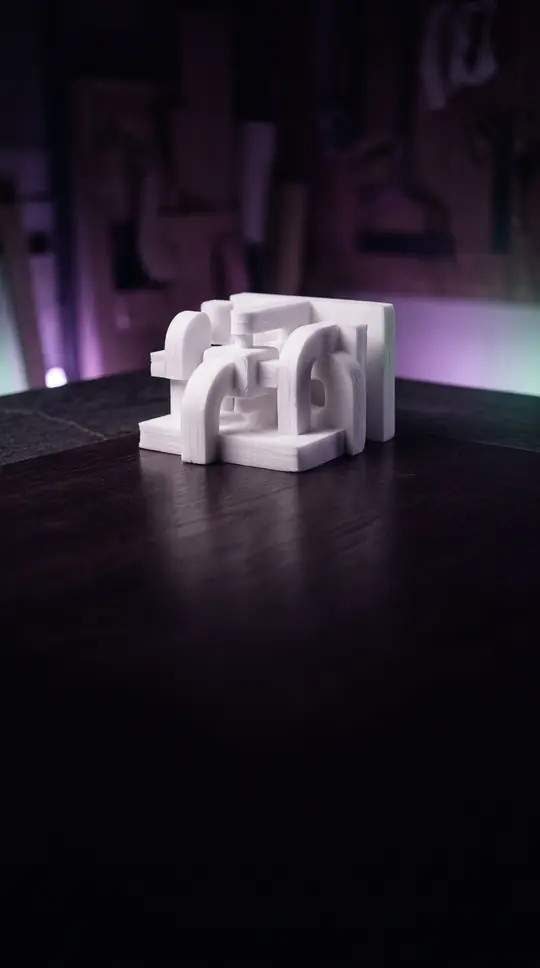
In short: Polyvinyl alcohol is a water-soluble synthetic polymer that defies standard manufacturing rules. Because its monomer is unstable, it is created through the hydrolysis of other esters rather than direct polymerization. This unique material is found in everything from laundry pods and contact lenses to advanced medical embolisation particles.
Polyvinyl alcohol (PVA) is a colorless, odorless synthetic polymer with the idealized formula [CH2CH(OH)]n. Unlike most vinyl polymers, it cannot be produced by polymerizing its corresponding monomer, vinyl alcohol, because that monomer is thermodynamically unstable and prone to tautomerization into acetaldehyde. Instead, manufacturers produce PVA through the base-catalyzed transesterification of polyvinyl acetate or other vinyl ester-derived polymers. The final properties of the material are heavily influenced by the degree of this conversion.
The polymer is prized for its high tensile strength, flexibility, and excellent film-forming capabilities. It also acts as a robust barrier against oxygen and aromas, and remains resistant to oil, grease, and solvents. However, these physical characteristics are sensitive to environmental conditions; at high humidity, absorbed water acts as a plasticizer, which increases tear strength and elongation while simultaneously reducing the material's overall tensile strength. Microstructurally, it is an atactic material that exhibits crystallinity, consisting primarily of 1,3-diol linkages with a small percentage of 1,2-diols.
PVA is remarkably versatile, serving as a protective colloid in adhesives, a fiber source in Japan and North Korea, and a key component in 3D printing and photographic film. Its biocompatibility, low toxicity, and minimal protein adhesion make it ideal for medical applications, including cartilage replacement, contact lenses, and drug-loaded tablets. Furthermore, FDA-approved PVA microparticles are used to treat peripheral hypervascular tumors. Beyond its industrial utility, the polymer is considered safe; it is not mutagenic or clastogenic, and it is poorly absorbed by the gastrointestinal tract when administered orally. While biodegradability varies by grade, highly water-soluble versions used in detergents are considered readily biodegradable.
Global demand for this material is substantial, with worldwide consumption exceeding one million metric tons in 2006. In the United States and Western Europe, its primary application is the production of polyvinyl butyral, while in other regions, it is essential for creating dispersions or specialized fibers. Whether it is being gelled through simple freeze-thaw cycles to create ultrapure hydrogels or used as a binder in pharmaceuticals, PVA remains a cornerstone of modern material science.
Opens the Intellect+ feed with this card first. Swipe up for the next one.
Sources
- Summary by Intellect · source: Polyvinyl alcohol
To cite this card, link to https://intellectplus.co.uk/app/science-polyvinyl-alcohol.
How we source, check and correct cards: Editorial standards.
General information, not professional advice. Spotted an error? Flag the card or see corrections and complaints.
Intellect Plus is a visual educational discovery platform for exploring fascinating facts and ideas. Brain Food, Not Brain Rot. What is Intellect Plus?
Related
More in Organic compounds · More in Science · Latest · A–Z · All topics
