Light triggers rapid electron transfer from conducting polymers to buckminsterfullerene
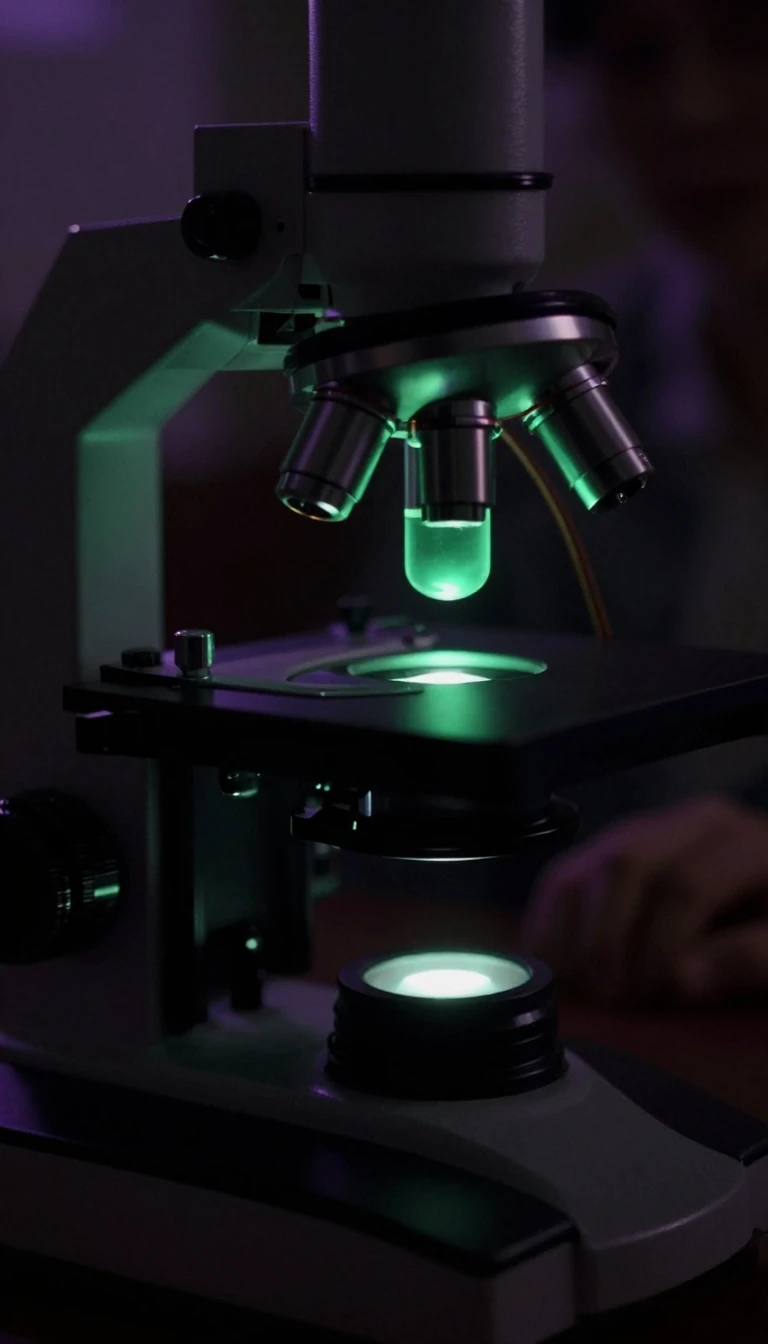
In short: Researchers have observed that hitting a conducting polymer with light of sufficient energy initiates an electron transfer to C(60) molecules, known as buckminsterfullerene. By studying composite films, the team found that this movement of charge occurs on an incredibly fast, picosecond timescale.
Using optical absorption and electron spin resonance, the study identified signatures of both polymer cations and C(60) anions. This evidence of charge separation was supported by the quenching of the polymer's photoluminescence when interacting with C(60).
The researchers also found that this charge-separated state remains metastable at low temperatures, though the study's observations were focused on composite films.
Why it matters: This demonstrates how light can drive extremely rapid charge separation in organic materials.
Opens the Intellect+ feed with this card first. Swipe up for the next one.
Sources
- Summary by Intellect · source: Research: Sariciftci et al. (1992). Photoinduced Electron Transfer from a Conducting Polymer to Buckminsterfullerene. Science.
To cite this card, link to https://intellectplus.co.uk/app/science-research-light-triggers-electron-movement-from-conducting-polymers-to.
How we source, check and correct cards: Editorial standards.
General information, not professional advice. Spotted an error? Flag the card or see corrections and complaints.
Intellect Plus is a visual educational discovery platform for exploring fascinating facts and ideas. Brain Food, Not Brain Rot. What is Intellect Plus?
Related
More in Science · Latest · A–Z · All topics
