Large structural domains organize the three-dimensional architecture of mammalian genomes
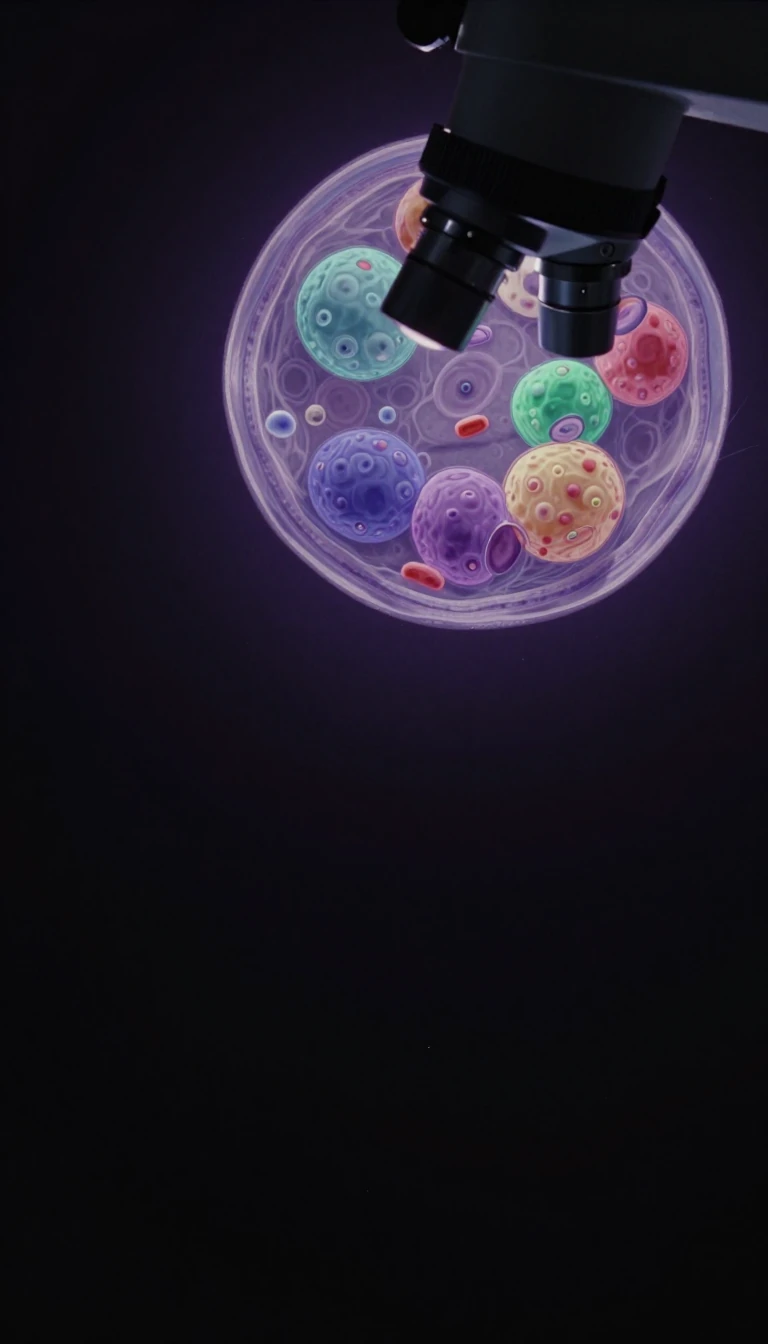
In short: Researchers studying the spatial organization of the genome in human and mouse cells identified large, megabase-sized regions of chromatin interaction. These pervasive structures, which they named topological domains, appear to be an inherent feature of mammalian genomes, remaining stable across various cell types and highly conserved across different species.
By using Hi-C technology to map chromatin interactions at unprecedented resolution, the study revealed that these topological domains correlate with regions that limit the spread of heterochromatin. This suggests that the physical folding of DNA plays a critical role in regulating gene expression and genome function.
The researchers found that the boundaries of these domains are often enriched with specific elements, such as the protein CTCF, housekeeping genes, and certain retrotransposons, which may help establish this structural organization. However, the study identifies these associations rather than proving a direct causal mechanism for domain formation.
Why it matters: The genome is organized into large, stable structural domains that likely help regulate biological functions.
Opens the Intellect+ feed with this card first. Swipe up for the next one.
Sources
- Summary by Intellect · source: Research: Dixon et al. (2012). Topological domains in mammalian genomes identified by analysis of chromatin interactions. Nature.
To cite this card, link to https://intellectplus.co.uk/app/science-research-large-structural-domains-organize-the-three-dimensional-arch.
How we source, check and correct cards: Editorial standards.
General information, not professional advice. Spotted an error? Flag the card or see corrections and complaints.
Intellect Plus is a visual educational discovery platform for exploring fascinating facts and ideas. Brain Food, Not Brain Rot. What is Intellect Plus?
Related
More in Science · Latest · A–Z · All topics
