Mapping how different brain regions communicate using electrical signals
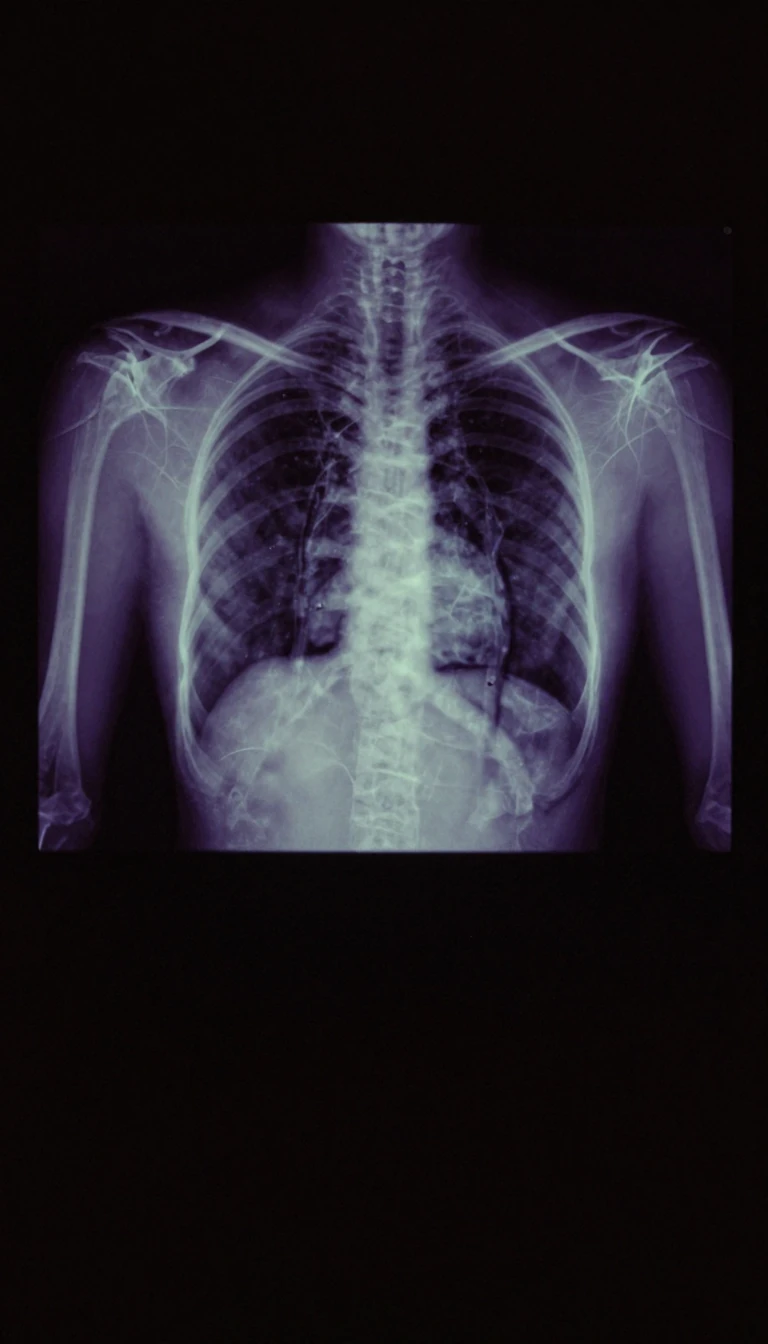
In short: Researchers who study brain connectivity have increasingly turned to electroencephalography (EEG) to understand how different cortical regions interact. By analyzing these electrical signals, scientists can map both functional connectivity—the statistical dependence between areas—and effective connectivity, which tracks the directed flow of information across the brain.
This review synthesizes recent progress in modeling brain networks using various linear and nonlinear methods, as well as time-based and frequency-based approaches. It highlights how these techniques are being paired with machine learning to develop clinical tools for diagnosing neurological conditions.
The paper serves as a comprehensive overview of visualization methods like Heat Maps and Head Maps, though it is limited by its nature as a review of existing literature rather than a primary experimental study.
Why it matters: Understanding how brain regions communicate through electrical signals helps researchers develop better tools for diagnosing neurological disorders.
Opens the Intellect+ feed with this card first. Swipe up for the next one.
Sources
- Source: Research: Cao et al. (2021). Brain functional and effective connectivity based on electroencephalography recordings: A review. Human Brain Mapping. · cc-by-nc-nd
To cite this card, link to https://intellectplus.co.uk/app/science-research-mapping-how-different-brain-regions-communicate-using-electr.
How we source, check and correct cards: Editorial standards.
General information, not professional advice. Spotted an error? Flag the card or see corrections and complaints.
Intellect Plus is a visual educational discovery platform for exploring fascinating facts and ideas. Brain Food, Not Brain Rot. What is Intellect Plus?
Related
More in Science · Latest · A–Z · All topics
