Synthetic food dyes in beverages and sweets may pose significant health risks
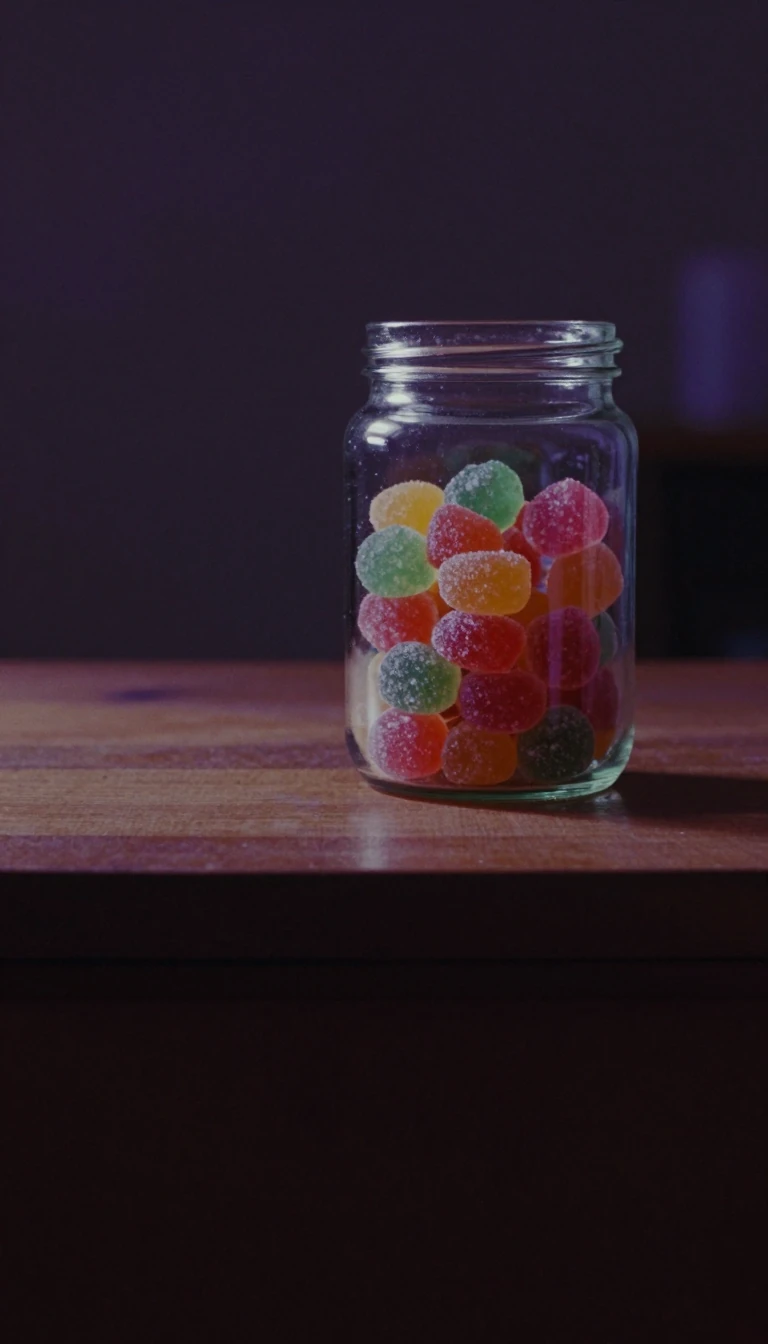
In short: A review of the food industry found that synthetic colors are often preferred over natural alternatives due to their low cost and high intensity. However, these additives can lead to serious health issues, including cancer, mutations, and allergic reactions. The research highlighted a concerning trend where many beverages fail to meet labeling requirements for color ingredients.
The study examined the prevalence of synthetic dyes in common products like confectioneries and beverages. It noted that some sweets even contain unauthorized substances, such as textile dyes, which are not intended for human consumption.
This review synthesizes existing literature to highlight safety concerns and regulatory gaps. However, because it is a review paper rather than an original clinical trial, it summarizes known risks rather than providing new primary data on specific chemical interactions.
Why it matters: Understanding the hidden chemicals in colorful snacks and drinks is vital for identifying potential long-term health risks.
Opens the Intellect+ feed with this card first. Swipe up for the next one.
Sources
- Source: Research: Dey and Nagababu (2022). Applications of food color and bio-preservatives in the food and its effect on the human health. Food Chemistry Advances. · cc-by-nc-nd
To cite this card, link to https://intellectplus.co.uk/app/science-research-synthetic-food-dyes-in-beverages-and-sweets-may-pose-signifi.
How we source, check and correct cards: Editorial standards.
General information, not professional advice. Spotted an error? Flag the card or see corrections and complaints.
Intellect Plus is a visual educational discovery platform for exploring fascinating facts and ideas. Brain Food, Not Brain Rot. What is Intellect Plus?
Related
More in Chemistry · More in Science · Latest · A–Z · All topics
