Brain responses may reflect efforts to minimize prediction error, theory suggests
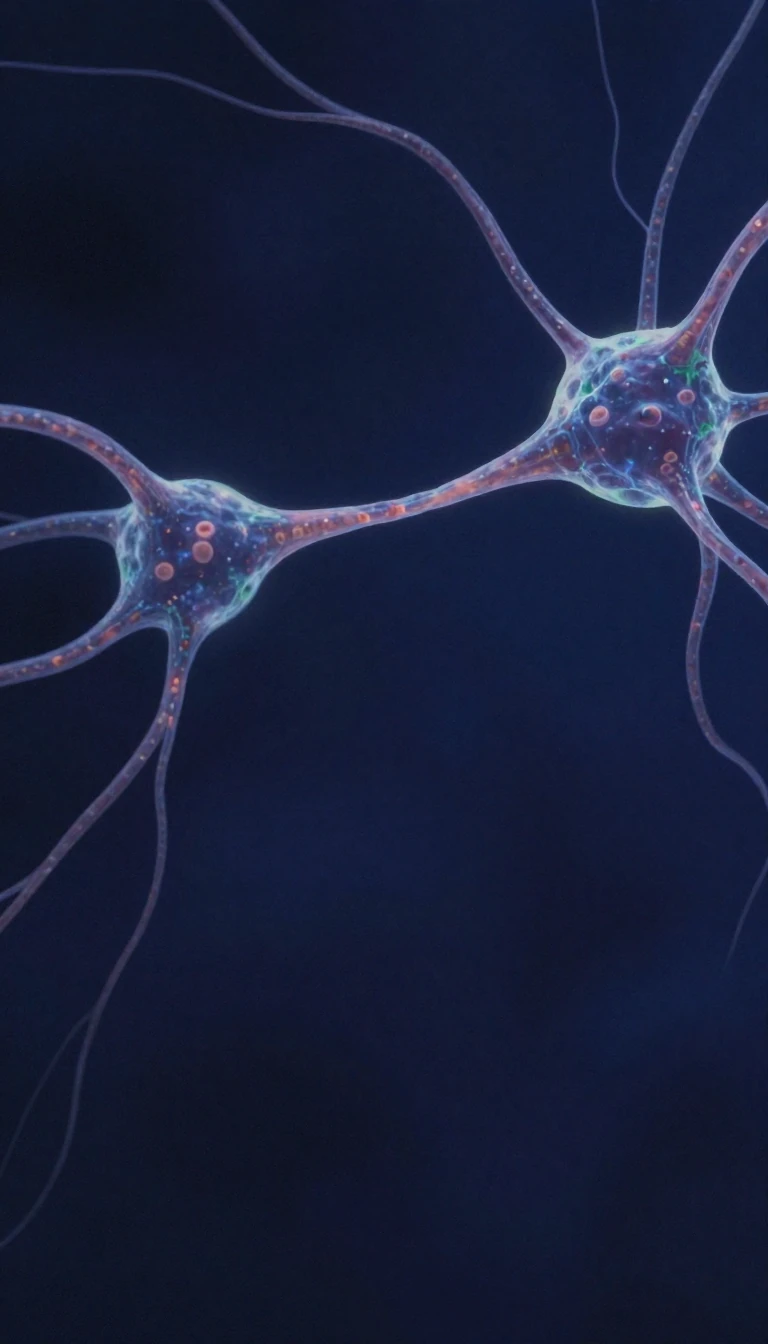
In short: A theoretical paper proposes that the brain acts as an inference engine, constantly trying to work out the causes of its sensory input. Drawing on statistical physics, the author argues that cortical responses reflect the brain's attempt to minimize a quantity called 'free energy' in order to settle on the most likely explanation for incoming signals and to learn from experience over time.
The theory ties together ideas about cortical anatomy, synaptic plasticity, and perception into a single framework, predicting features such as hierarchical, reciprocal connections between brain areas and specific patterns of electrical brain activity. As a theoretical paper rather than an experiment, it offers predictions to be tested rather than new empirical evidence, and its claims rest on mathematical modelling rather than direct observation of neurons or behaviour.
Why it matters: This theory offers a unified mathematical account of why the brain responds and learns the way it does, though it remains a proposal to be tested.
Opens the Intellect+ feed with this card first. Swipe up for the next one.
Sources
- Summary by Intellect · source: Research: Friston (2005). A theory of cortical responses. Philosophical Transactions of the Royal Society B Biological Sciences.
To cite this card, link to https://intellectplus.co.uk/app/science-research-the-brain-may-minimize-free-energy-to-interpret-sensory-info.
How we source, check and correct cards: Editorial standards.
General information, not professional advice. Spotted an error? Flag the card or see corrections and complaints.
Intellect Plus is a visual educational discovery platform for exploring fascinating facts and ideas. Brain Food, Not Brain Rot. What is Intellect Plus?
Related
More in Science · Latest · A–Z · All topics
