How a simple riverside cottage became the epicenter of India's fight for independence
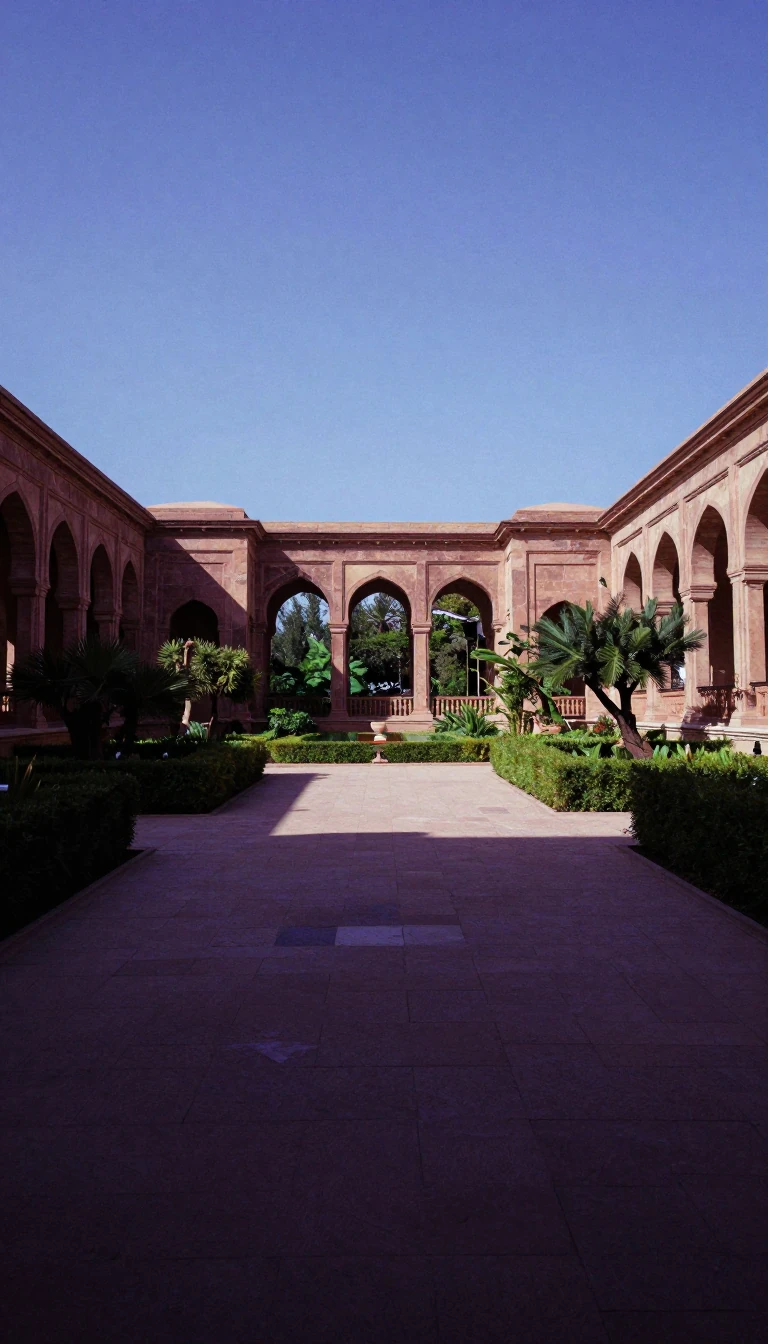
In short: Sabarmati Ashram was more than a residence for Mahatma Gandhi; it was a laboratory for self-sufficiency and civil disobedience. From this quiet site, Gandhi launched the historic Salt March in 1930, sparking a nationwide movement that challenged British rule and eventually transformed the political landscape of the entire Indian subcontinent.
Located on the banks of the Sabarmati River in Ahmedabad, the ashram served as a pivotal base for Gandhi between 1915 and 1930. It functioned as a community dedicated to manual labor, agriculture, and literacy, reflecting Gandhi's vision for national self-reliance. The site included specialized structures like the Udyog Mandir, or temple of industry, which symbolized the dignity of labor, and the Upasana Mandir, an open-air prayer ground where Gandhi addressed the queries of his followers. These spaces were central to the daily life of the ashramites, who lived in shared quarters like the Somnath Chattralaya.
The ashram's most significant historical moment occurred on 12 March 1930, when Gandhi departed with 78 companions to protest the British Salt Law. This 241-mile march to Dandi ignited mass civil disobedience, leading to the illegal production of salt across India and the subsequent imprisonment of approximately 60,000 people by the British Raj. Following the march, the government seized the property. Although Gandhi vowed never to return until India achieved independence, local citizens worked to preserve the site, which eventually transitioned into a national monument.
Today, the ashram houses the Gandhi Smarak Sangrahalaya, a museum designed by architect Charles Correa and inaugurated by Prime Minister Jawaharlal Nehru on 10 May 1963. The institution acts as a vast repository of Gandhian history, maintaining archives that include over 34,000 letters and thousands of manuscript pages. The library holds nearly 35,000 books, including a significant collection from Mahadevbhai Desai. By preserving these relics, photographs, and writings, the ashram continues to serve as a center for research into Gandhian thought, attracting roughly 700,000 visitors annually who seek to understand the legacy of the man who famously declared his life to be his message.
Opens the Intellect+ feed with this card first. Swipe up for the next one.
Sources
- Summary by Intellect · source: Sabarmati Ashram
To cite this card, link to https://intellectplus.co.uk/app/science-sabarmati-ashram.
How we source, check and correct cards: Editorial standards.
General information, not professional advice. Spotted an error? Flag the card or see corrections and complaints.
Intellect Plus is a visual educational discovery platform for exploring fascinating facts and ideas. Brain Food, Not Brain Rot. What is Intellect Plus?
Related
More in Physics · More in Science · Latest · A–Z · All topics
