How a tilted block of volcanic rock became the Navy's ultimate training ground
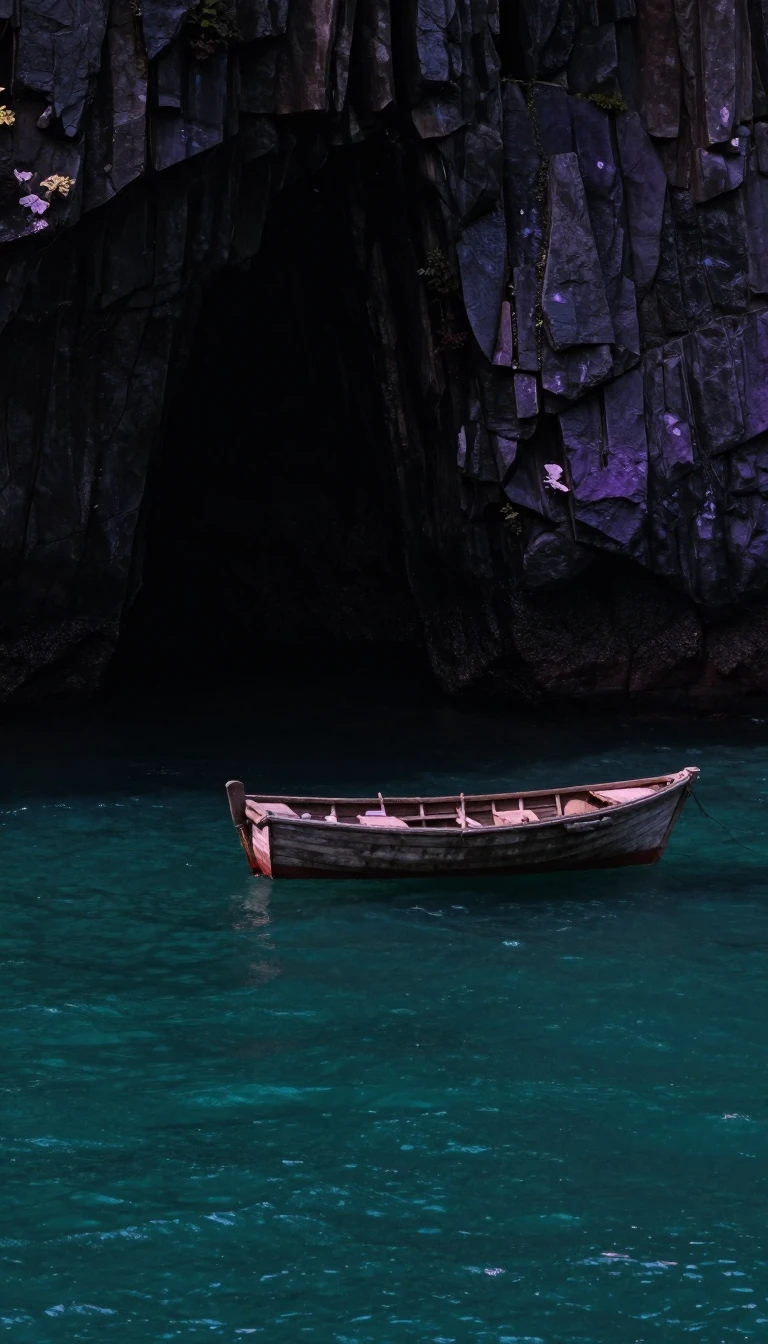
In short: San Clemente Island is far more than a military outpost. This tilted crustal block, rising nearly 2,000 feet from the Pacific, serves as a critical atmospheric condenser, a biodiversity hotspot for endemic wildflowers, and a high-stakes laboratory for everything from rocket testing to amphibious warfare training and deep-sea habitat research.
Geologically, San Clemente Island is the exposed upper portion of a tilted, arched block of the Earth's crust. Its northeastern boundary is defined by a massive fault line that mirrors major mainland California faults, while its surface is scarred by trench-like canyons and marine terraces. Mount Thirst, the island's highest point at 1,965 feet, plays a crucial role in local meteorology; its elevation forces atmospheric moisture to condense, intensifying precipitation in the surrounding region, a phenomenon linked to significant rain events as recently as January 2024.
The island’s isolation has fostered a unique, fragile ecosystem. It hosts 15 plant taxa found nowhere else on Earth, including the San Clemente Island bushmallow and various wildflowers. However, this biodiversity faces constant pressure from non-native species. In 2008, the introduction of earthworms via mainland soil began altering microbial communities, threatening the survival of native flora. Historically, the island was overrun by feral goats, which numbered 11,000 by 1972 before being removed to protect indigenous species, marking a shift toward active environmental management by the United States Navy.
Since the Navy acquired the island in 1934, it has functioned as a versatile military complex. It hosts an auxiliary naval airfield, a simulated city for commando training, and active sonar facilities. The island’s history as a testing ground is extensive, ranging from Polaris rocket launches between 1957 and 1960 to the SEALAB III project in 1969. Despite its modern military utility, the island retains deep archaeological significance, with evidence of human occupation dating back 10,000 years. Today, it remains a complex intersection of strategic defense, scientific research, and ecological preservation, governed by Naval Base Coronado while technically residing within Los Angeles County.
Opens the Intellect+ feed with this card first. Swipe up for the next one.
Sources
- Summary by Intellect · source: San Clemente Island
To cite this card, link to https://intellectplus.co.uk/app/science-san-clemente-island.
How we source, check and correct cards: Editorial standards.
General information, not professional advice. Spotted an error? Flag the card or see corrections and complaints.
Intellect Plus is a visual educational discovery platform for exploring fascinating facts and ideas. Brain Food, Not Brain Rot. What is Intellect Plus?
Related
More in Physics · More in Science · Latest · A–Z · All topics
