Secondary colors are not universal truths but depend entirely on your chosen mixing model
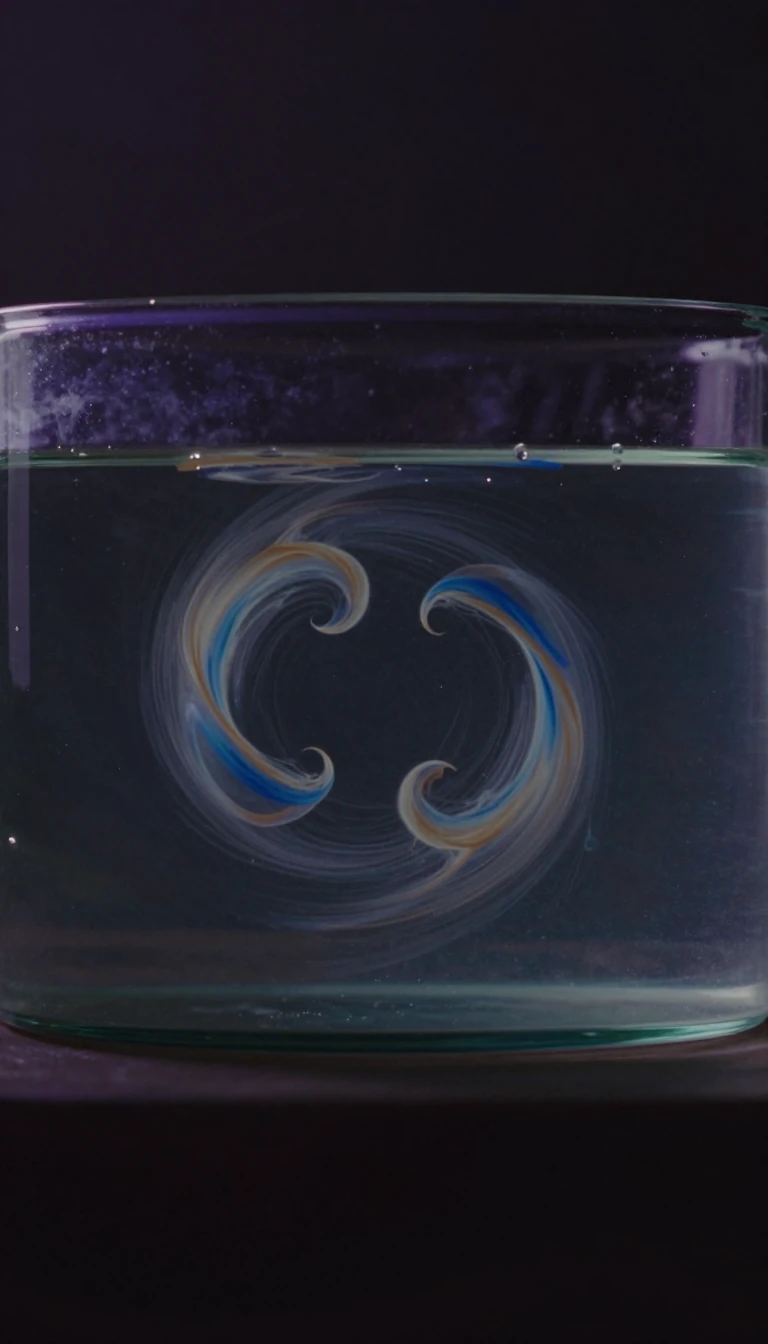
In short: We often learn that secondary colors are fixed, but they are merely the result of combining two primary colors within a specific system. Whether you are working with light or pigment, the secondary colors you produce shift based on the rules of the model you have selected to use.
In the realm of color science, a secondary color is defined simply as the product of blending two primary colors in equal amounts. While traditional art education often emphasizes the red, yellow, and blue (RYB) model, modern science views these as practical tools rather than universal constants. In reality, any three primaries can create a functional color gamut, provided they are chosen efficiently.
The identity of a secondary color changes depending on the framework. For instance, in the additive RGB model used for light, mixing red, green, and blue yields yellow, cyan, and magenta as secondary colors. Conversely, the subtractive CMY model, which governs pigments, treats those same colors as primaries, resulting in blue, red, and green as its secondary set. The RYB model, popularized by George Field in his 1835 work Chromatography, identifies green, purple, and orange as its secondary colors.
Beyond secondary colors, the complexity of color mixing increases as we move into tertiary, quaternary, and even quinary levels. Definitions here are often contested. Traditional theorists like Moses Harris and Josef Albers defined tertiary colors as mixtures of two secondary colors, which often leads to desaturation. Modern digital standards, however, prefer defining them as a balanced blend of a primary and a secondary color to maximize saturation. As you continue mixing further, the terminology becomes increasingly fluid, eventually leading to a spectrum of forty-eight colors spaced at 7.5-degree intervals around the wheel.
Ultimately, these classifications are conceptual frameworks rather than rigid physical laws. While they provide a useful language for artists and scientists to communicate, the specific names and properties of colors beyond the primary level are not universally standardized. This flexibility allows for diverse applications, from digital display calibration to the practical mixing of paints, even if the underlying labels remain subject to debate.
Opens the Intellect+ feed with this card first. Swipe up for the next one.
Sources
- Summary by Intellect · source: Secondary color
To cite this card, link to https://intellectplus.co.uk/app/science-secondary-color.
How we source, check and correct cards: Editorial standards.
General information, not professional advice. Spotted an error? Flag the card or see corrections and complaints.
Intellect Plus is a visual educational discovery platform for exploring fascinating facts and ideas. Brain Food, Not Brain Rot. What is Intellect Plus?
Related
More in Color · More in Science · Latest · A–Z · All topics
