The science of shadows: Why your brain sees figures in the dark
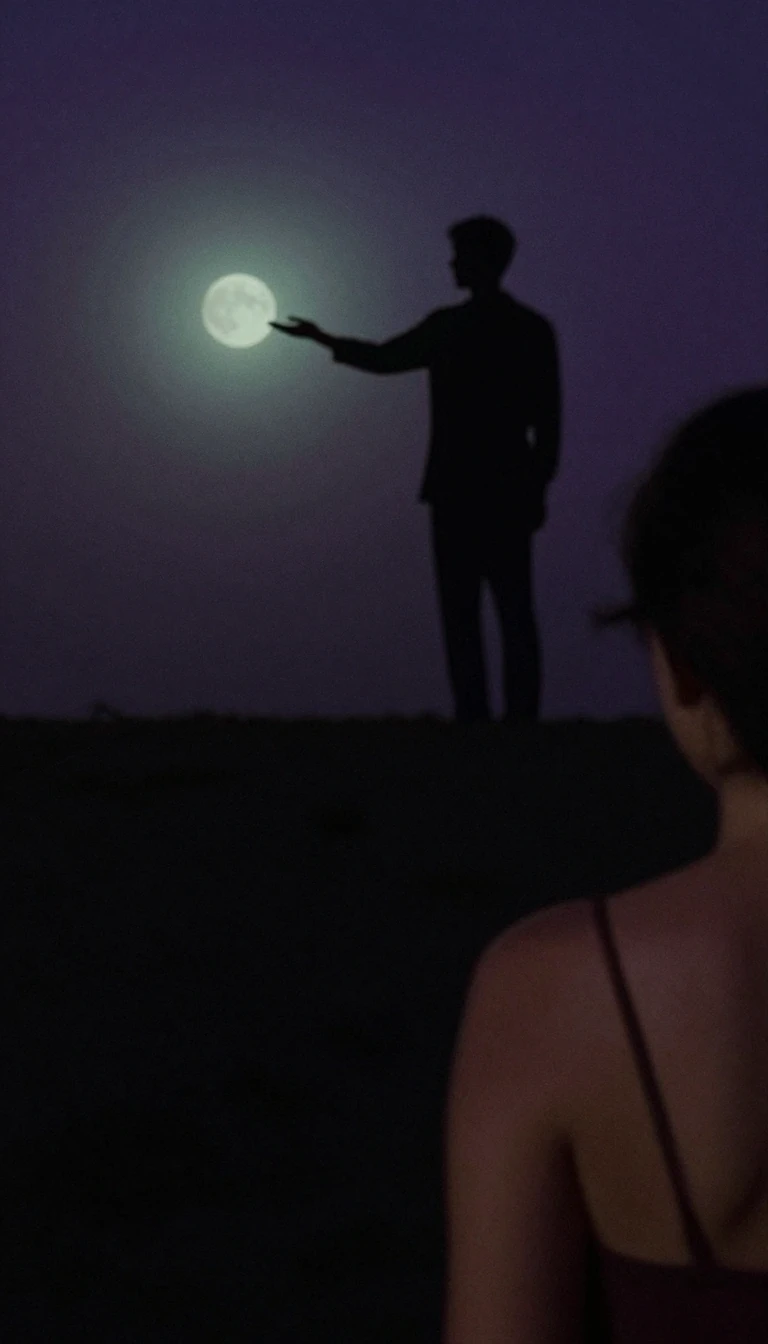
In short: Have you ever felt a presence in the corner of your eye, only to find nothing there? From folklore to modern nightmares, 'shadow people' have haunted human imagination for centuries. While some see spirits, science points toward a fascinating intersection of biology, chemistry, and the way our brains process fear.
The phenomenon of 'shadow people'—described as dark, human-shaped silhouettes that flicker in peripheral vision—has transitioned from ancient folklore to a modern paranormal staple. While various belief systems attribute these figures to entities like the Islamic Jinn or the Choctaw Nalusa Falaya, contemporary accounts often link them to specific physiological states. One of the most common explanations involves sleep paralysis, a condition where a person becomes conscious but remains unable to move. During these episodes, sufferers frequently report seeing 'shadowy or indistinct shapes' approaching them as they become increasingly alarmed.
Chemical substances and neurological conditions provide further evidence for these visual hallucinations. Research suggests that deliriant drugs, such as diphenhydramine (Benadryl), datura, and benzydamine, can trigger sightings of shadowy figures. Furthermore, methamphetamine use during prolonged sleep deprivation has been linked to 'shadow people' hallucinations; psychiatrist Jack Potts notes that the drug adds a 'conspiratorial component' to these experiences. In clinical settings, visual hallucinations caused by schizophrenia or bipolar disorder can also manifest as shadowy figures at the edge of one's vision.
Beyond biology, the human brain is wired for survival through mechanisms like pareidolia—the tendency to perceive meaningful patterns in random stimuli. In high-emotion situations, such as walking alone in the dark, the brain may misinterpret a simple patch of shadow as a physical attacker. Whether these figures are 'extra-dimensional inhabitants,' as some speculate, or merely a byproduct of a panicked nervous system, the experience remains a profound example of how our minds construct reality from the unknown.
Opens the Intellect+ feed with this card first. Swipe up for the next one.
Sources
- Summary by Intellect · source: Shadow person
To cite this card, link to https://intellectplus.co.uk/app/science-shadow-person.
How we source, check and correct cards: Editorial standards.
General information, not professional advice. Spotted an error? Flag the card or see corrections and complaints.
Intellect Plus is a visual educational discovery platform for exploring fascinating facts and ideas. Brain Food, Not Brain Rot. What is Intellect Plus?
Related
More in Human body & genes · More in Science · Latest · A–Z · All topics
