How spray drying turns liquids into fine powders in a single, rapid step.
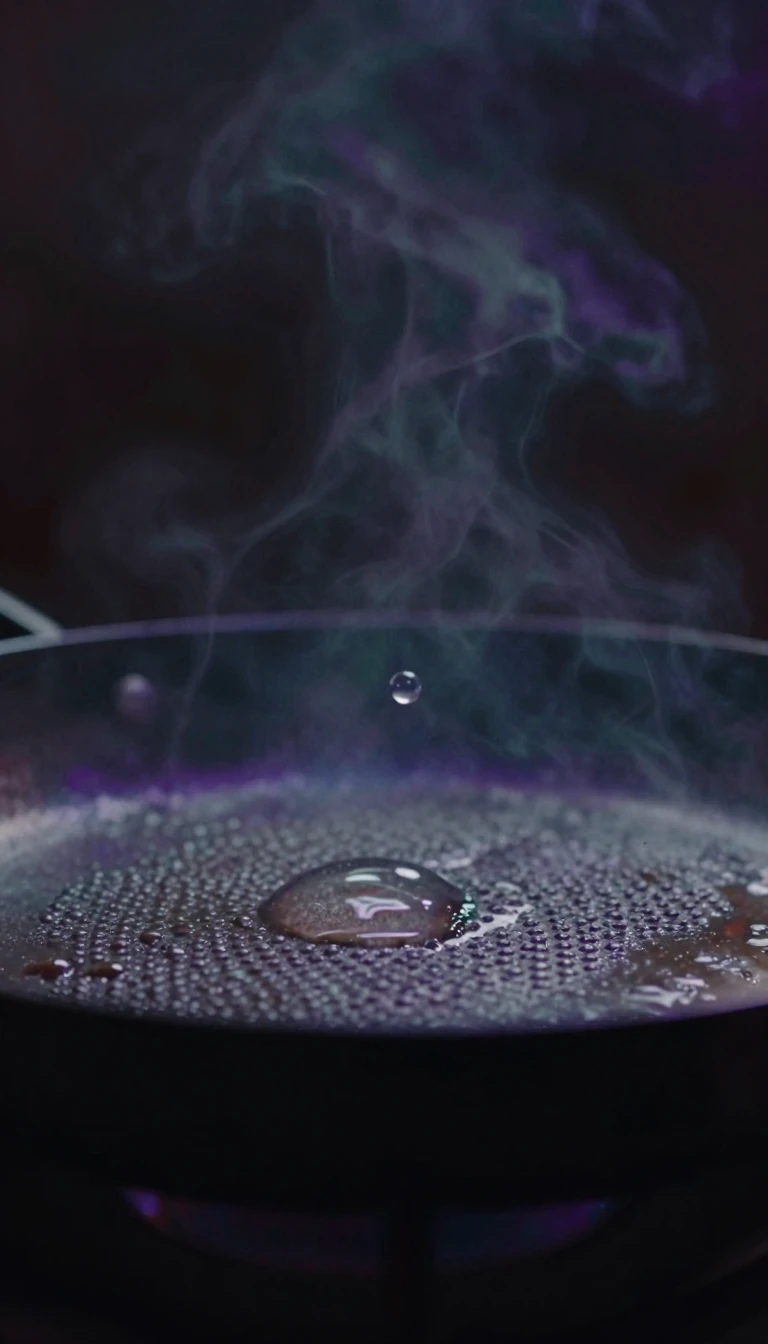
In short: Spray drying is a transformative industrial process that converts liquid slurries into free-flowing powders by atomizing them into a hot gas stream. This technique is essential for creating everything from instant coffee to advanced pharmaceutical ingredients, allowing for precise control over particle size and material stability in one efficient step.
At its core, spray drying relies on atomization. A liquid or slurry is forced through a nozzle or rotary disk to create a fine mist of droplets, which are then exposed to a hot gas—typically air, though nitrogen is used for flammable or oxygen-sensitive substances. As the moisture evaporates rapidly, the remaining solute forms a solid particle. By maximizing the surface area of the droplets, the process achieves near-instantaneous drying, which is particularly valuable for thermally sensitive materials like food products and pharmaceuticals.
The evolution of the technology has moved from simple single-effect systems to sophisticated multiple-effect designs. In single-effect dryers, air and liquid flow in the same direction, often resulting in fine, dusty powders. Modern multiple-effect systems incorporate a static fluidized bed at the base of the chamber, which provides a humid environment that encourages smaller particles to clump together. This produces more uniform, free-flowing powders with larger diameters, typically between 100 and 300 micrometers, significantly reducing dust issues.
Beyond basic dehydration, spray drying serves as a powerful encapsulation tool. By mixing a load substance with an amphipathic carrier, the process creates micelles that harden into protective shells as water evaporates. In pharmaceutical manufacturing, this is used to create amorphous solid dispersions, which increase the energy state of drugs to improve their diffusion within the body. While the technique was first patented by Samuel Percy in 1872, ongoing research continues to refine how input parameters—such as gas flow, feed rate, and inlet temperature—dictate the final shape and size of particles, enabling increasingly precise industrial and medical applications.
Opens the Intellect+ feed with this card first. Swipe up for the next one.
Sources
- Summary by Intellect · source: Spray drying
To cite this card, link to https://intellectplus.co.uk/app/science-spray-drying.
How we source, check and correct cards: Editorial standards.
General information, not professional advice. Spotted an error? Flag the card or see corrections and complaints.
Intellect Plus is a visual educational discovery platform for exploring fascinating facts and ideas. Brain Food, Not Brain Rot. What is Intellect Plus?
Related
More in Separation processes · More in Science · Latest · A–Z · All topics
