How Tsuneko Okazaki solved the mystery of how DNA replicates itself in cells
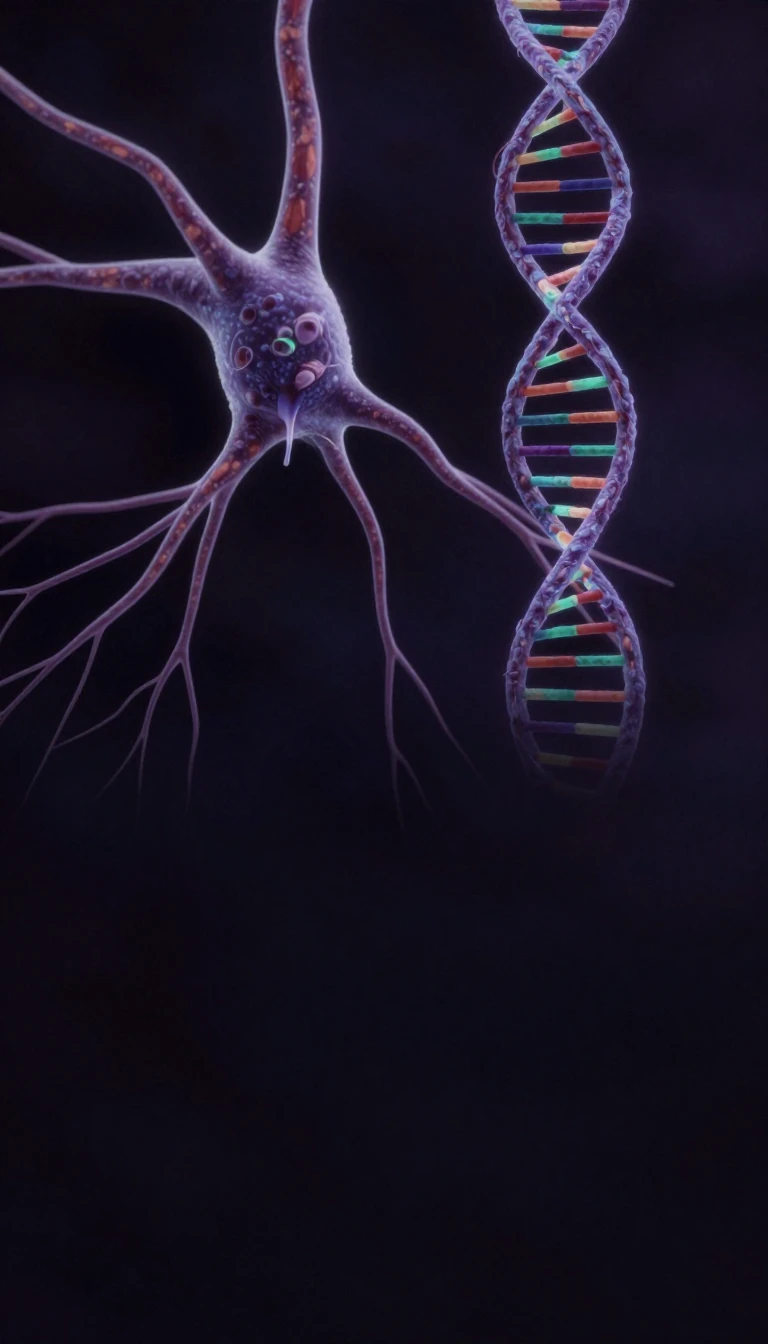
In short: DNA replication is a complex dance, but for years, scientists were puzzled by how it occurred in two directions at once. Tsuneko Okazaki, alongside her husband Reiji, uncovered the secret mechanism of short, discontinuous segments now known as Okazaki fragments, fundamentally changing our understanding of how life copies its genetic code.
Born in Nagoya in 1933, Tsuneko Okazaki began her scientific journey at Nagoya University, where she earned her PhD in 1956. That same year, she married fellow researcher Reiji Okazaki, beginning a lifelong partnership that would reshape molecular biology. Their early work focused on nucleotide characteristics in sea urchins and frog eggs, leading to the discovery of thymidine-diphosphate rhamnose. This success opened doors to international research opportunities in the United States, where they worked in the laboratories of J. L. Strominger at the University of Washington and Arthur Kornberg at Stanford University.
The couple's most significant breakthrough arrived in 1968, when they published their findings on Okazaki fragments in the journal PNAS. These fragments are the short, discontinuous pieces of DNA synthesized on the lagging strand during replication. After Reiji’s untimely death in 1975 from leukemia linked to the Hiroshima bombing, Tsuneko persevered, successfully proving the structure of the RNA primers associated with these fragments. Her resilience extended beyond the lab; she actively campaigned for better childcare support in Japan, balancing her full-time research career with raising two children.
Tsuneko’s career spanned decades of academic leadership and innovation. From 1967 to 1997, she held professorships at Nagoya University before moving to Fujita Health University. Her later research interests were remarkably diverse, ranging from investigating placenta-specific transcription regulators like hGCMa to exploring the genomic regulation of HLA-G and the genotype-phenotype characteristics of Down syndrome. Beyond academia, she served as the head of the Japan Society for the Promotion of Science’s Stockholm office and led Chromo Research Inc. Her immense contributions have been recognized with numerous honors, including the L'Oréal-UNESCO Award for Women in Science in 2000 and the prestigious Order of Culture in 2021.
Opens the Intellect+ feed with this card first. Swipe up for the next one.
Sources
- Summary by Intellect · source: Tsuneko Okazaki
To cite this card, link to https://intellectplus.co.uk/app/science-tsuneko-okazaki.
How we source, check and correct cards: Editorial standards.
General information, not professional advice. Spotted an error? Flag the card or see corrections and complaints.
Intellect Plus is a visual educational discovery platform for exploring fascinating facts and ideas. Brain Food, Not Brain Rot. What is Intellect Plus?
Related
More in Biology · More in Science · Latest · A–Z · All topics
