How a Victorian building in Liverpool inspired the term for an entire class of universities
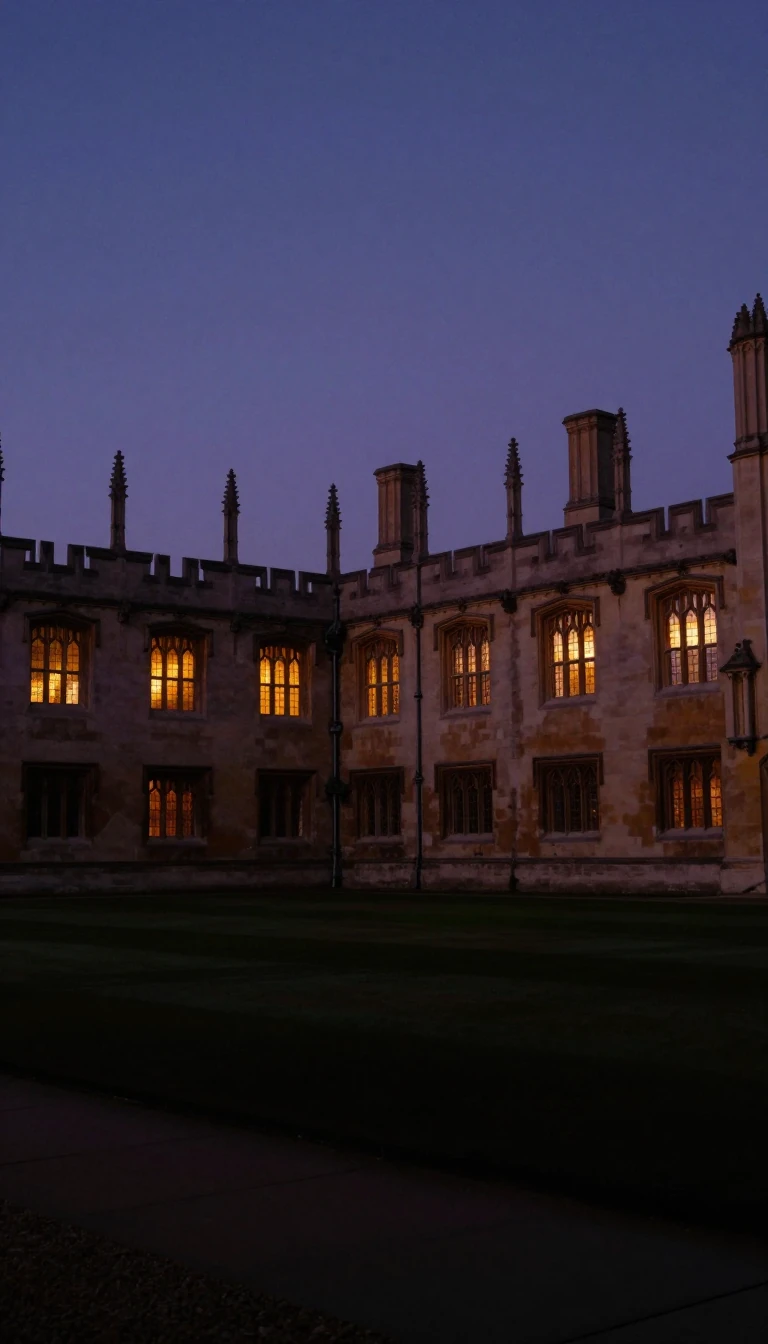
In short: The University of Liverpool is the original redbrick university, a title derived from the iconic Victoria Building on its campus. Beyond its architectural legacy, the institution has been a pioneer in higher education, establishing the first independent university campus in China and leading breakthroughs in fields from physics to medicine.
Founded in 1881 as University College Liverpool, the institution gained its royal charter in 1903, granting it the authority to award its own degrees. Its history is marked by significant scientific milestones, including Oliver Lodge’s 1894 public radio transmission and the first surgical X-ray in the United Kingdom two years later. The university’s research pedigree continued into the 20th century with Sir Charles Sherrington’s discovery of the synapse and major contributions to the development of the atomic bomb by Sir James Chadwick and Sir Joseph Rotblat.
The university has maintained a global outlook, becoming the first in the UK to establish an independent campus in China, Xi'an Jiaotong–Liverpool University, in 2006. More recently, it expanded its international footprint with a new campus in Bengaluru, India, in 2026. These initiatives reflect a broader strategy to extend its academic legacy, which includes producing ten Nobel Prize laureates across disciplines such as medicine, physics, chemistry, and economics.
Today, the university operates as a research-intensive institution with a student body of over 31,000. It remains a founding member of the Russell Group and the N8 Group, consistently ranking among the top institutions globally. Its financial health is robust, with a total income of £705.3 million in the 2023/24 financial year and the ninth-largest endowment of any UK university. The campus itself, centered in Liverpool, serves as a hub for innovation, housing advanced facilities like the Central Teaching Hub, which supports thousands of students in science and engineering.
Despite its prestige, the university has navigated periods of internal tension, including student-led protests over accommodation costs and staff strikes regarding pay. Nevertheless, its commitment to research excellence remains paramount, as evidenced by its performance in the 2021 Research Excellence Framework, where its departments in computer science and chemistry were recognized for their world-leading impact. From its origins in the 19th century to its modern global reach, the university continues to shape the landscape of higher education.
Opens the Intellect+ feed with this card first. Swipe up for the next one.
Sources
- Summary by Intellect · source: University of Liverpool
- Also: www.liverpool.ac.uk — University of Liverpool
To cite this card, link to https://intellectplus.co.uk/app/science-university-of-liverpool.
How we source, check and correct cards: Editorial standards.
General information, not professional advice. Spotted an error? Flag the card or see corrections and complaints.
Intellect Plus is a visual educational discovery platform for exploring fascinating facts and ideas. Brain Food, Not Brain Rot. What is Intellect Plus?
Related
More in Scientists, inventors and mathematicians · More in Science · Latest · A–Z · All topics
