Why your bladder is a masterclass in biological engineering and pressure management
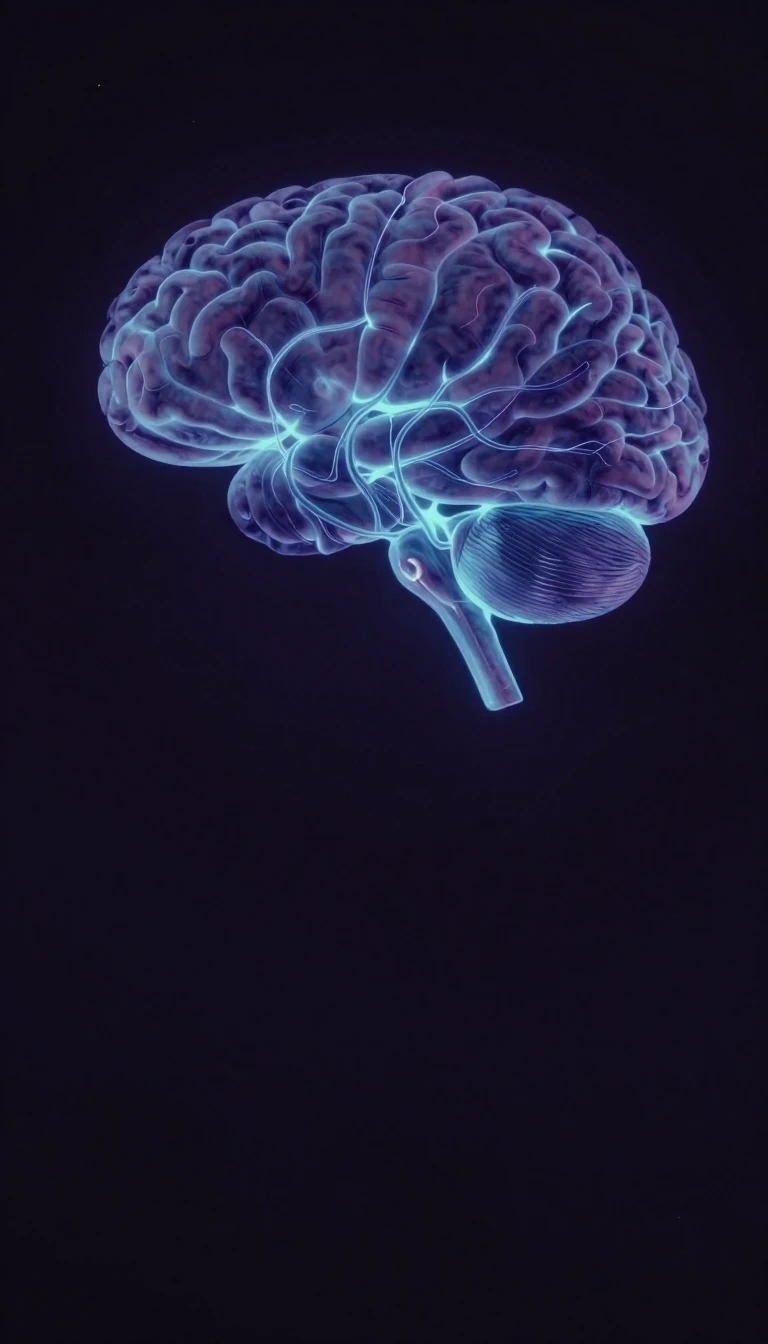
In short: Urination is more than a simple reflex; it is a complex physiological dance involving the brain, spinal cord, and specialized muscles. While we often take this process for granted, it relies on a delicate balance of pressure, nerve signaling, and voluntary control that can be disrupted by age or injury.
The process of urination, or micturition, begins as the bladder acts as a storage reservoir for waste extracted from the bloodstream by the kidneys. As urine accumulates, the bladder wall stretches. When volume reaches 100–150 millilitres, the body experiences the first sensation of a need to void. This feeling intensifies as the bladder fills, becoming uncomfortable at 350–400 millilitres. The bladder is remarkably compliant, adapting to increased volume so that pressure remains relatively low until it reaches capacity, a phenomenon governed by the relationship between wall tension and the organ's radius.
Control over this system is mediated by nerve centers in the spinal cord, brainstem, and cerebral cortex. During the storage phase, the detrusor muscle remains relaxed while the urethral sphincter stays tense. When the time comes to void, the brain sends signals to relax the sphincter while the detrusor muscle contracts to empty the bladder completely. This voluntary control develops as the nervous system matures, which is why infants lack the ability to inhibit the reflex. If the bladder is not emptied, it can become overdistended, potentially leading to long-term complications like paralysis of the muscle or even kidney failure.
Disruptions to this system, known as urinary incontinence, affect millions worldwide. These issues can stem from weakened pelvic floor muscles, nerve damage, or obstructions like an enlarged prostate. Treatment often begins with lifestyle adjustments, such as managing fluid intake or performing pelvic floor exercises to strengthen the muscles that prevent leakage. In more persistent cases, medical interventions, including medication or surgery, may be required to restore normal function. Understanding these mechanisms is the first step toward managing symptoms, which should never be a source of embarrassment, as they are common and often treatable through professional medical consultation.
Opens the Intellect+ feed with this card first. Swipe up for the next one.
Sources
- Summary by Intellect · source: Urinary incontinence
- Also: Urination | Process, Function & Control | Britannica
- Also: Urination
- Also: Scientific reports — Postural alignment differences in children with urinary incontinence. · CC BY
To cite this card, link to https://intellectplus.co.uk/app/science-urination.
How we source, check and correct cards: Editorial standards.
General information, not professional advice. Spotted an error? Flag the card or see corrections and complaints.
Intellect Plus is a visual educational discovery platform for exploring fascinating facts and ideas. Brain Food, Not Brain Rot. What is Intellect Plus?
Related
More in Biological processes and physiology · More in Science · Latest · A–Z · All topics
