Why do some injuries vanish while others leave a permanent scar behind?
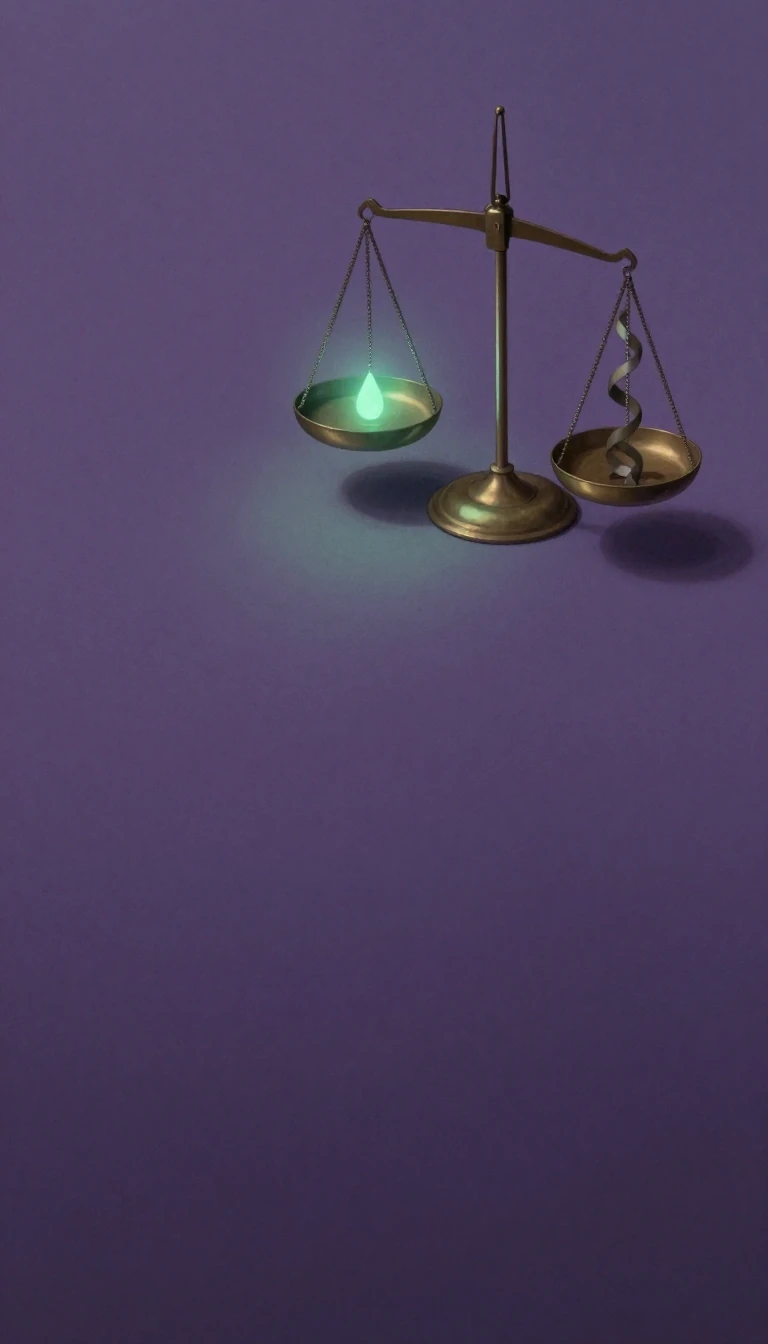
In short: Healing is a complex biological dance between regeneration and repair. When cells can replicate, the body rebuilds perfectly. When they cannot, or when the underlying structural framework is destroyed, the body defaults to scar tissue. Understanding this process reveals how we recover from everything from kidney damage to skin wounds.
At its core, healing is the body's attempt to restore normal function after trauma. This happens through two primary mechanisms: regeneration and repair. Regeneration is the gold standard, where necrotic cells are replaced by new cells that perfectly replicate the original tissue. This is possible only if the cell type can replicate and the collagen framework—the structural scaffolding—remains intact. For instance, in acute tubular necrosis of the kidney, epithelial cells can use the existing basement membrane to guide their growth, eventually leaving the organ indistinguishable from its pre-injury state.
Repair, by contrast, is the fallback strategy. It is required when the damaged cells are incapable of regeneration, such as neurons, or when the collagen network itself is destroyed. In these cases, the body fills the defect with scar tissue. This process is a highly choreographed cascade involving four distinct phases: clot formation, inflammation, proliferation, and maturation. During proliferation, fibroblasts rush to the site to produce type III collagen, creating granulation tissue. As the wound matures, this is replaced by stronger type I collagen, and myofibroblasts contract to shrink the wound size.
The process is governed by a complex interplay of genes and chemical signals. Genes like P21 and LIN28 are known to influence wound healing, with P21 even allowing some mammals to heal without scarring. Furthermore, the transition between inflammation and healing is managed by macrophage subsets: M1 cells promote inflammation, while M2 cells drive regeneration. The body must carefully balance these signals; failure to clear pathogens or damaged tissue can retrigger inflammation, stalling the recovery process. Ultimately, healing is an energy-intensive endeavor that requires the precise coordination of cellular growth, structural alignment, and the eventual removal of unnecessary vessels through apoptosis.
Beyond physical trauma, the concept of healing extends to psychological recovery and surgical recovery. In psychiatry, it is the resolution of neuroses to a point where a person can lead a fulfilling life. In surgery, it is no longer viewed merely as readiness for discharge, but as a holistic process of regaining emotional well-being and physical function. Whether physical or mental, healing is a dynamic, multi-faceted response to injury.
Opens the Intellect+ feed with this card first. Swipe up for the next one.
Sources
- Summary by Intellect · source: Healing
To cite this card, link to https://intellectplus.co.uk/app/science-healing.
How we source, check and correct cards: Editorial standards.
General information, not professional advice. Spotted an error? Flag the card or see corrections and complaints.
Intellect Plus is a visual educational discovery platform for exploring fascinating facts and ideas. Brain Food, Not Brain Rot. What is Intellect Plus?
Related
More in Biological processes and physiology · More in Science · Latest · A–Z · All topics
