How a Japanese provincial capital transformed from a medieval cultural hub into a modern city
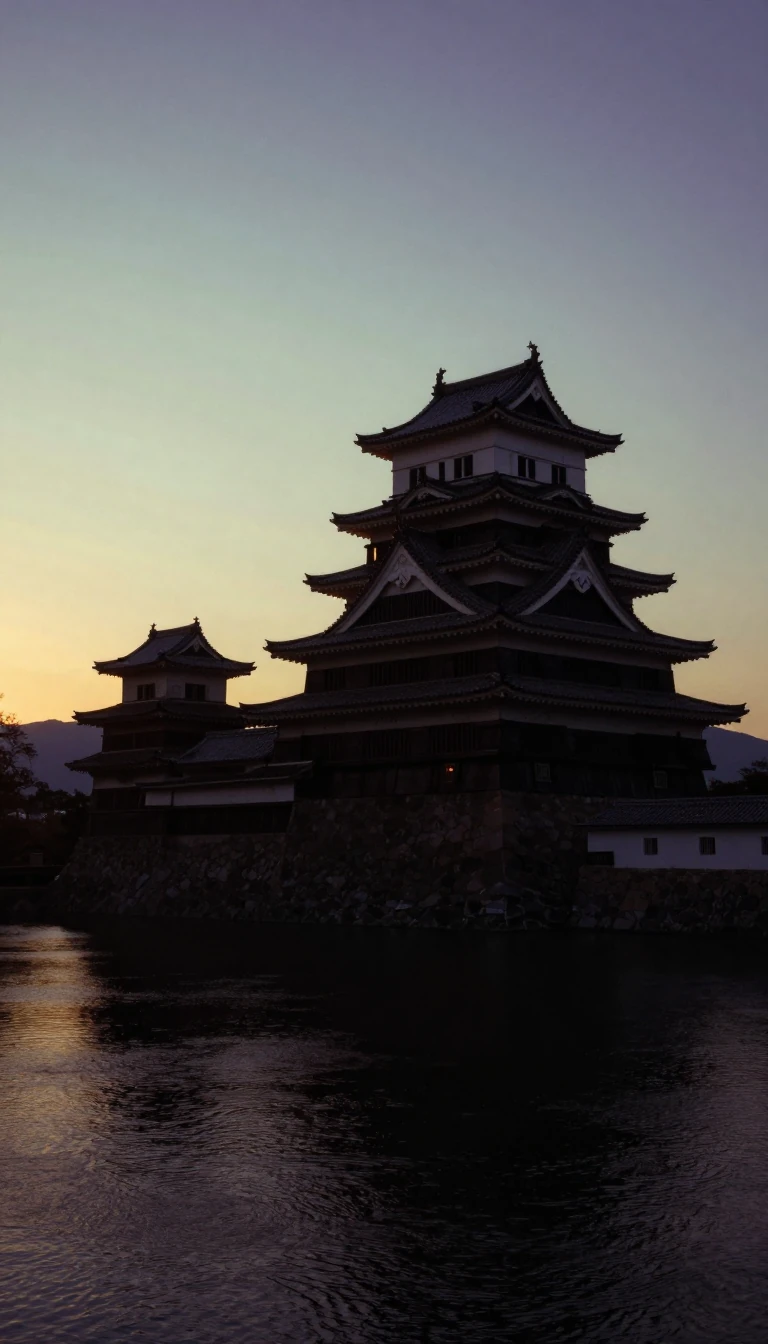
In short: Yamaguchi City, the capital of its namesake prefecture, holds a history far deeper than its current status suggests. Once a prosperous center of trade and culture under the powerful Ouchi clan, the city has evolved through centuries of territorial shifts, political transitions, and a unique, long-standing commitment to local census tracking.
The historical significance of Yamaguchi is rooted in the Muromachi period, when the Ouchi clan turned the region into a thriving cultural nexus. Claiming descent from the royal house of Baekje, the Ouchi leveraged extensive trade networks with Ming Dynasty China and Korea to amass wealth. This prosperity allowed the city to become a sanctuary for intellectuals fleeing the chaos of the Onin War in Kyoto. Furthermore, the area served as an early gateway for Christian missionaries from Spain and Portugal, establishing it as a pivotal site for the Kirishitan faith before the Mouri clan eventually seized control during the Edo Period.
Modern Yamaguchi emerged from this complex past following the Meiji Restoration. The town was officially established on April 1, 1889, within the Yoshiki District. Over the next century, the city underwent a series of administrative expansions, absorbing surrounding villages and towns such as Kami-unorei in 1905 and Miyano in 1941. These territorial adjustments culminated in the large-scale mergers of 2005, which integrated towns like Tokuji, Aio, Ajisu, and Ogori, effectively dissolving the Yoshiki District. Today, the city functions under a mayor-council system, maintaining a distinct identity despite having a relatively small industrial base compared to other prefectural hubs.
Demographically, the city has maintained a consistent record of its population through systematic censuses, which began in 1960. By 2020, the population reached 193,966 residents. While Yamaguchi remains the prefectural capital, its economic landscape is primarily defined by commerce, tourism, and distribution rather than heavy industry. It currently holds the second-largest population in the prefecture, trailing only Shimonoseki, and ranks third in gross city product behind Shunan and Shimonoseki. This balance of historical heritage, represented by sites like the Rurikoji pagoda and the Ouchi-shi Yakata ruins, alongside its administrative evolution, defines the city's contemporary character.
Opens the Intellect+ feed with this card first. Swipe up for the next one.
Sources
- Summary by Intellect · source: Yamaguchi (city)
To cite this card, link to https://intellectplus.co.uk/app/science-yamaguchi-city.
How we source, check and correct cards: Editorial standards.
General information, not professional advice. Spotted an error? Flag the card or see corrections and complaints.
Intellect Plus is a visual educational discovery platform for exploring fascinating facts and ideas. Brain Food, Not Brain Rot. What is Intellect Plus?
Related
More in Physics · More in Science · Latest · A–Z · All topics
