Can Creative Commons licenses truly balance individual artistic control with the freedom to share?
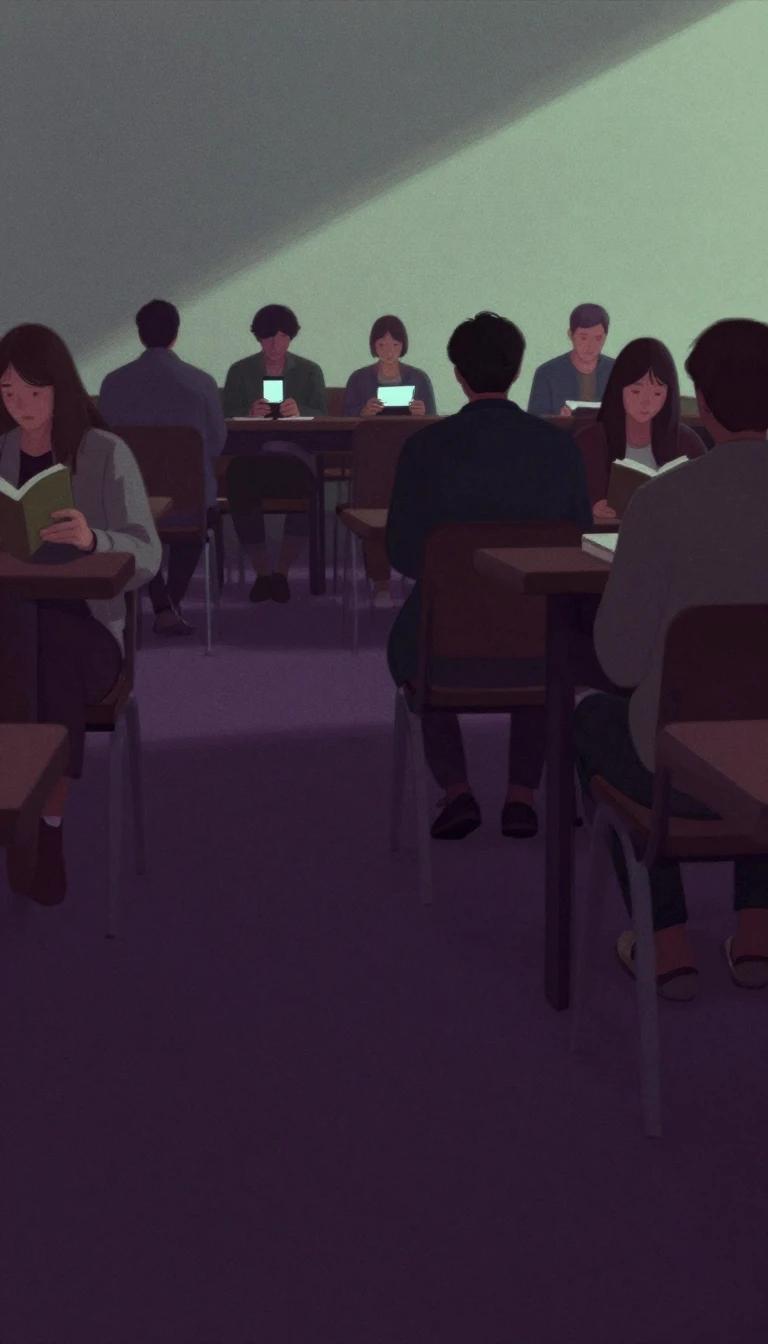
In short: Creative Commons emerged in 2001 to challenge restrictive copyright norms, offering a middle ground between total control and public domain. By providing standardized licenses, it allows creators to specify which rights they retain. Yet, this flexibility has sparked intense debate over whether it empowers artists or merely serves corporate interests.
Founded by Lawrence Lessig, Hal Abelson, and Eric Eldred, Creative Commons was designed to counter a permission culture that limits creativity to existing, powerful entities. By 2019, nearly 2 billion works were licensed under its framework. The organization provides a menu of licenses that allow authors to communicate which rights they waive, effectively replacing individual negotiations with a standardized, legal release. This approach has been dubbed 'some rights reserved,' aiming to protect intellectual property while fostering a more open Information Age.
However, the project faces significant criticism. Some argue that the system is overly complex, potentially confusing the public and failing to provide a clear ethical standard. Critics like Mako Hill suggest that by offering multiple, sometimes incompatible licenses, Creative Commons has enabled 'license proliferation' rather than establishing a base level of freedom. Others, such as Kent Anderson, contend that the organization is fundamentally grounded in existing copyright principles and may even serve the interests of large technology companies that provide it with significant funding.
Practical challenges also persist. The ambiguity of terms like 'noncommercial' remains a point of contention, as Creative Commons has not sought to resolve the varying interpretations of what that label permits. Furthermore, the licenses do not override other legal protections, such as privacy rights. In a notable 2007 case involving Virgin Mobile, a photographer’s Creative Commons-licensed image of a minor led to a lawsuit, highlighting that while a creator can waive their own copyright, they cannot sign away the rights of the individuals depicted in their work.
Despite these critiques, the organization continues to evolve. In 2020, it released a five-year strategy focusing on advocacy, infrastructure innovation, and capacity building. While some maintain that the system is a missed opportunity to demand unreservable rights, others see it as a vital tool for navigating the complexities of modern digital distribution, providing a necessary alternative to the traditional 'all rights reserved' model.
Opens the Intellect+ feed with this card first. Swipe up for the next one.
Sources
- Summary by Intellect · source: Creative Commons
To cite this card, link to https://intellectplus.co.uk/app/society-creative-commons.
How we source, check and correct cards: Editorial standards.
General information, not professional advice. Spotted an error? Flag the card or see corrections and complaints.
Intellect Plus is a visual educational discovery platform for exploring fascinating facts and ideas. Brain Food, Not Brain Rot. What is Intellect Plus?
Related
More in Law · More in Society · Latest · A–Z · All topics
