Free content is not just about price; it is a legal framework for sharing.
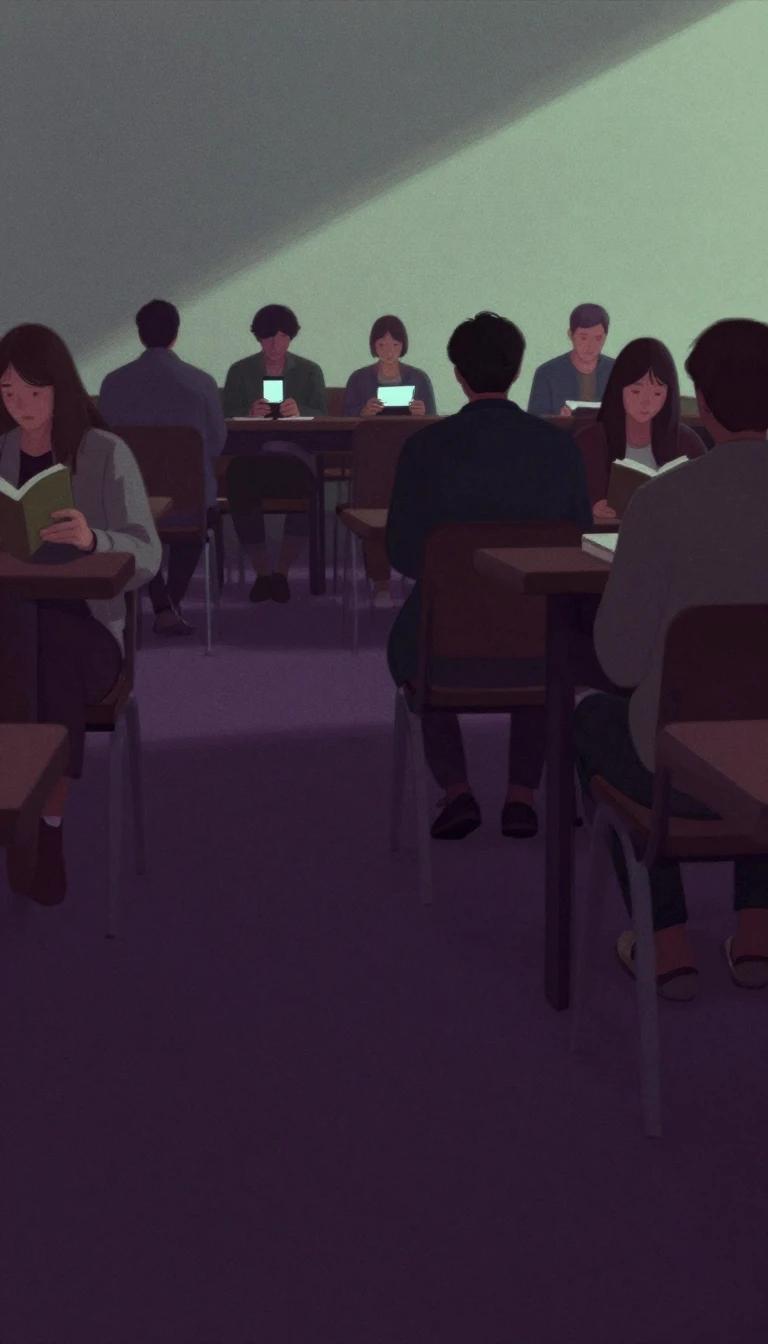
In short: While we often equate free content with zero cost, the term describes a specific legal status. By using flexible licenses, creators allow their work to be studied, modified, and shared by anyone. This movement, rooted in software, is now reshaping how we access everything from academic research to engineering blueprints.
At its core, free content is a counterbalance to the default restrictions of copyright. Under the Berne Convention, creators automatically hold exclusive control over their work. To make content free, authors must explicitly grant permissions through standardized licenses. These licenses allow users to copy, modify, and distribute works, sometimes with conditions like citing the original creator or sharing derivative works under the same terms. This practice, known as copyleft, cleverly uses the legal framework of copyright to ensure that content remains open for future generations.
The movement gained momentum in the late 1990s. Michael Stutz introduced the concept of applying software-style copyleft to information in 1997, and David A. Wiley coined the term open content in 1998. By 2003, the Open Content Project was succeeded by Creative Commons, which provides a clear set of legal tools for creators. Today, the Definition of Free Cultural Works, introduced in 2006 by figures including Erik Möller and Richard Stallman, serves as a benchmark for what constitutes truly free material.
The impact of this openness is profound. In academia, mandates from institutions like the US National Institutes of Health and the European Union are pushing research toward open access to maximize impact. In engineering, rapid fabrication technologies allow users to turn digital blueprints into physical objects. Even governments are participating; while laws are often technically public domain, many now use explicit open licenses to ensure their legislative documents remain accessible. Whether through Wikipedia or open-source software, the shift toward free content is fundamentally changing how knowledge is produced, distributed, and maintained globally.
Opens the Intellect+ feed with this card first. Swipe up for the next one.
Sources
- Summary by Intellect · source: Free content
To cite this card, link to https://intellectplus.co.uk/app/technology-free-content.
How we source, check and correct cards: Editorial standards.
General information, not professional advice. Spotted an error? Flag the card or see corrections and complaints.
Intellect Plus is a visual educational discovery platform for exploring fascinating facts and ideas. Brain Food, Not Brain Rot. What is Intellect Plus?
Related
More in Technology today · More in Technology · Latest · A–Z · All topics
