Is copyright a barrier to progress or the essential fuel for human creativity?
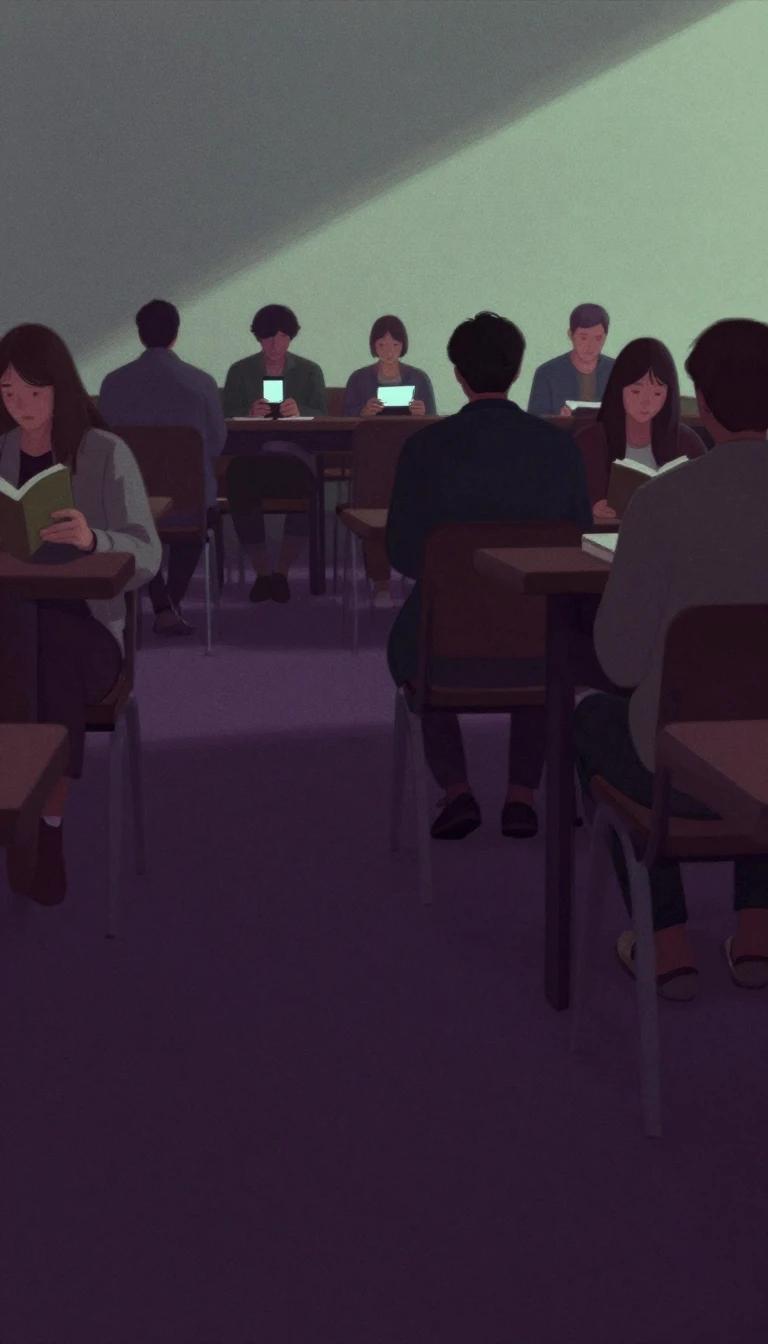
In short: The free-culture movement argues that modern copyright laws stifle innovation and create a restrictive permission culture. By promoting open licensing, advocates seek to reclaim the public domain. Yet, critics warn that this shift threatens the economic dignity of artists and risks devaluing the very works it aims to liberate.
The movement gained significant momentum in 1998, when the United States legislature enacted the Sonny Bono Copyright Term Extension Act. This law, which critics dubbed the Mickey Mouse Protection Act due to heavy lobbying from major entertainment corporations, extended copyright protections by twenty years, resulting in a total term of seventy years after the creator's death. Lawrence Lessig, a central figure in the movement, argued that such legislation prioritizes private interests over the public good, effectively turning copyright into a hurdle for cultural production and technological advancement.
Lessig’s activism led to the 2001 founding of Creative Commons, an organization providing alternative, flexible licensing structures that allow creators to share their work while retaining specific rights. This approach contrasts with the traditional all-rights-reserved model, aiming to foster a read-write remix culture. By 2008, the movement had refined its standards, with the "Definition of Free Cultural Works" establishing that only licenses like CC BY and CC BY-SA truly align with the goal of free content. These standards draw heavily from the principles of the free software movement, which champions the freedom to modify and distribute digital tools.
The movement is not without its detractors. Critics like Jaron Lanier have expressed concern that anonymous, crowd-sourced media can lead to the depersonalization of creative output and undermine the livelihoods of middle-class artists. Others, such as Andrew Keen, have labeled the movement's proponents as hostile to intellectual property. Meanwhile, debates continue regarding the economic impact of free culture on industries like journalism, with some scholars arguing that market forces, rather than the free distribution of content, are the primary drivers of industry decline. The tension remains: how can society balance the desire for open access to knowledge with the need to sustain the creators who produce it?
Opens the Intellect+ feed with this card first. Swipe up for the next one.
Sources
- Summary by Intellect · source: Free-culture movement
To cite this card, link to https://intellectplus.co.uk/app/society-free-culture-movement.
How we source, check and correct cards: Editorial standards.
General information, not professional advice. Spotted an error? Flag the card or see corrections and complaints.
Intellect Plus is a visual educational discovery platform for exploring fascinating facts and ideas. Brain Food, Not Brain Rot. What is Intellect Plus?
Related
More in Law · More in Society · Latest · A–Z · All topics
