Why the world's oldest architectural innovation is still our best urban solution
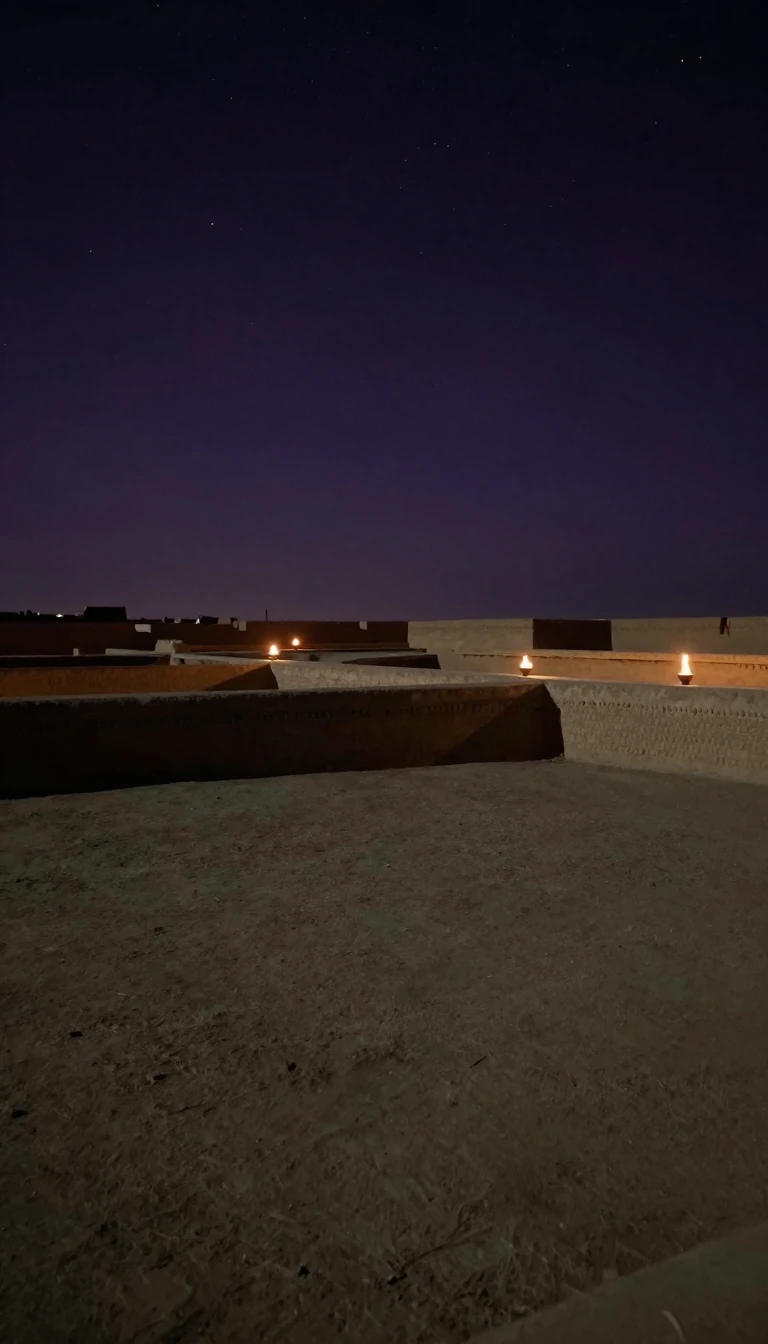
In short: For nearly 8,000 years, the courtyard has served as a private sanctuary, a climate-control device, and a social hub. From Neolithic settlements to modern city apartments, this simple, sky-facing enclosure provides the light, security, and tranquility that humans have universally sought in their homes since the dawn of civilization.
The courtyard is one of humanity's most enduring architectural inventions, appearing as early as 6400–6000 BC in the Neolithic site of Sha'ar HaGolan. Its evolution began with the need to manage indoor fires; as ceiling holes for smoke grew larger, they eventually transformed into the open-air centers we recognize today. By 2000 BC, the city of Ur featured sophisticated two-storey brick homes built around these central squares, separating public work areas on the ground floor from private living spaces above.
Across cultures, the courtyard has adapted to local needs. In the Middle East, these spaces allowed for nomadic flexibility, with activities shifting to follow the sun or cool breezes. Roman houses utilized the atrium—a central room featuring an impluvium for rainwater collection—while traditional Chinese siheyuan homes used nested courtyards to regulate social access, reserving the most private, garden-filled spaces for family. Medieval European farmhouses similarly used the central court as a defensible, multi-purpose workspace for livestock and daily chores.
Today, the courtyard is being rediscovered as a remedy for modern urban density. In the early 20th century, Chicago apartment buildings adopted the courtyard model to improve ventilation and provide a sense of domestic privacy in multi-unit housing. Contemporary architects are now looking back to even older precedents, such as the 13th-century Inca practice of grouping homes around shared courtyards, to create communal green spaces in crowded cities. Whether used to separate wings of a house or to provide a safe, quiet refuge for families, the courtyard remains a vital tool for balancing the need for privacy with the human desire for connection to the outdoors.
The benefits of these spaces are multifaceted: they offer natural light, convective cooling in warm climates, and a secure environment for children. As space becomes a premium in global cities, the courtyard offers a proven, flexible template for designing homes that are not just structures, but sanctuaries.
Opens the Intellect+ feed with this card first. Swipe up for the next one.
Sources
- Summary by Intellect · source: Courtyard
To cite this card, link to https://intellectplus.co.uk/app/society-courtyard.
How we source, check and correct cards: Editorial standards.
General information, not professional advice. Spotted an error? Flag the card or see corrections and complaints.
Intellect Plus is a visual educational discovery platform for exploring fascinating facts and ideas. Brain Food, Not Brain Rot. What is Intellect Plus?
Related
More in Home living · More in Society · Latest · A–Z · All topics
